Library
Browse and search novels
4 novels found
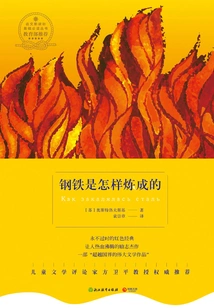
How is Steel Made?
General Fiction钢铁是怎样炼成的
(soviet) Ostrovsky
"How Steel Was Tempered" was written in 1933. The young Paul Korchagin was expelled from school for getting into trouble. Forced by life, he walked into the "human world". Hard life, heavy labor, naked cannibalism, and the dark bottom of society tested and tempered this stubborn young man... This is the process of training and growth for a new generation of young people, and it is also a wonderful story of "a boy grows into a man"!
"How Steel Was Tempered" was written in 1933. The young Paul Korchagin was expelled from school for getting into trouble. Forced by life, he walked into the "human world". Hard life, heavy labor, naked cannibalism, and the dark bottom of society tested and tempered this stubborn young man... This is the process of training and growth for a new generation of young people, and it is also a wonderful story of "a boy grows into a man"!
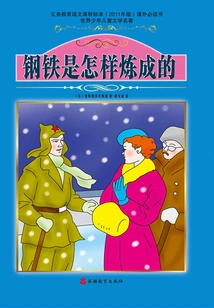
How is Steel Made?
General Fiction钢铁是怎样炼成的
(soviet) Ostrovsky
Paul Korchagin is the youngest son of a poor working class family in a town in Ukraine. His father died early, his mother worked as a cook in a wealthy family, and his brother Arqing was a railway worker. He suffered the pain of exploitation and oppression under the capitalist system. After dropping out of school, he worked as a waiter in the station canteen and as a worker in a power plant. Later he met Tonya, the daughter of a forest officer. However, there was a huge disparity in status between the two. In order to be worthy of Tonya, Paul decided to join the Soviet Revolutionary Army. In the end, he was recognized in the revolutionary army for his tenacity and wit.
Paul Korchagin is the youngest son of a poor working class family in a town in Ukraine. His father died early, his mother worked as a cook in a wealthy family, and his brother Arqing was a railway worker. He suffered the pain of exploitation and oppression under the capitalist system. After dropping out of school, he worked as a waiter in the station canteen and as a worker in a power plant. Later he met Tonya, the daughter of a forest officer. However, there was a huge disparity in status between the two. In order to be worthy of Tonya, Paul decided to join the Soviet Revolutionary Army. In the end, he was recognized in the revolutionary army for his tenacity and wit.
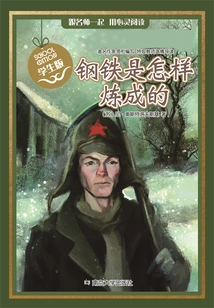
How is Steel Made?
General Fiction钢铁是怎样炼成的
(soviet) Ostrovsky
This book is a novel written by the former Soviet writer Nikolai Ostrovsky, written in 1933. Through the growth path of Paul Korchagin, the novel tells people that only when a person defeats the enemy and himself in the hardships of the revolution, and only when he connects his pursuit with the interests of the motherland and the people, can he create miracles and grow into a steel warrior. Revolutionaries are forged into steel in struggle, which is an important theme in the novel.
This book is a novel written by the former Soviet writer Nikolai Ostrovsky, written in 1933. Through the growth path of Paul Korchagin, the novel tells people that only when a person defeats the enemy and himself in the hardships of the revolution, and only when he connects his pursuit with the interests of the motherland and the people, can he create miracles and grow into a steel warrior. Revolutionaries are forged into steel in struggle, which is an important theme in the novel.
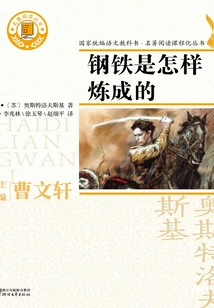
How is Steel Made?
General Fiction钢铁是怎样炼成的
(soviet) Ostrovsky
At this time when "sissy" is popular, for teenagers to read this book and understand Paul, it is a "baptism of the soul" for themselves. This book is divided into two parts, telling the story of the protagonist Paul's glorious life that continues to grow in the flames of war. After the novel was published, it was translated into many languages and received strong international response. In 1941, the book had a Chinese translation. After the founding of the People's Republic of China, it was recommended by the Central Committee of the Communist Youth League as an excellent reading book for young people. The whole novel or fragments were selected as university and middle school textbooks. This book is one of our company's "nationally compiled Chinese textbooks and classics reading ability development series".
At this time when "sissy" is popular, for teenagers to read this book and understand Paul, it is a "baptism of the soul" for themselves. This book is divided into two parts, telling the story of the protagonist Paul's glorious life that continues to grow in the flames of war. After the novel was published, it was translated into many languages and received strong international response. In 1941, the book had a Chinese translation. After the founding of the People's Republic of China, it was recommended by the Central Committee of the Communist Youth League as an excellent reading book for young people. The whole novel or fragments were selected as university and middle school textbooks. This book is one of our company's "nationally compiled Chinese textbooks and classics reading ability development series".