Library
Browse and search novels
4 novels found

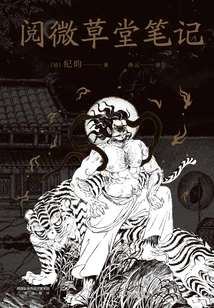
Yuewei Cottage Notes
History阅微草堂笔记
(qing Dynasty) Ji Yun
"Notes of Yuewei Thatched Cottage" includes five parts: "Luanyang Xiaoxialu", "This is What I Hear", "Huaixi Magazine", "Guwan Listens to It" and "Luanyang Continued Records". The style is quiet and elegant, simple and concise. Whether it is writing about people or narratives, there is not much ink, but a rough outline, to the point, but it is very organized and expressive. His disciple Sheng Shiyan also summarized this: "The narrative is cut and cut, running through the reflection belt, like the clouds and water, and it is completely different from the secret of heaven." As Lu Xun said, "The legislation is very strict, and when it comes to its essence, it is about advocating quality and following the Jin and Song Dynasties."

Yuewei Cottage Notes (5)
General Fiction阅微草堂笔记(五)
(qing Dynasty) Ji Yun
"Yuewei Thatched Cottage Notes" is a short story in classical Chinese written in the form of notes by Ji Yun, who was born as a scholar in the Hanlin Academy of the Qing Dynasty between the fifty-fourth year of Qianlong (1789 AD) and the third year of Jiaqing (AD 1798). It mainly collects and compiles various folk tales about foxes, ghosts and gods, karma and retribution, admonishing good and punishing evil, etc. That were circulated around the time, or strange anecdotes heard personally. Although the book is full of sermons about karma and retribution, it reflects the decadence and darkness of the last days of feudal society through various descriptions. "Yuewei Thatched Cottage Notes" retains a wealth of official and folk anecdotes, folklore anecdotes and anecdotes. Naturally, there are many absurd things and superstitious dross in it, but through these complex contents. This book is the fifth volume.

Yuewei Thatched Cottage Notes (3)
General Fiction阅微草堂笔记(三)
(qing Dynasty) Ji Yun
"Yuewei Thatched Cottage Notes" is a short story in classical Chinese written in the form of notes by Ji Yun, who was born as a scholar in the Hanlin Academy of the Qing Dynasty between the fifty-fourth year of Qianlong (1789 AD) and the third year of Jiaqing (AD 1798). It mainly collects and compiles various folk tales about foxes, ghosts and gods, karma and retribution, admonishing good and punishing evil, etc. That were circulated around the time, or strange anecdotes heard personally. Although the book is full of sermons about karma and retribution, it reflects the decadence and darkness of the last days of feudal society through various descriptions. If it involves some bad styles and bad habits of the feudal literati class. This book is the third volume.

Yuewei Cottage Notes (part 2)
General Fiction阅微草堂笔记(下)
(qing Dynasty) Ji Yun
This book is an outstanding representative work of short stories about ghosts and ghosts in the Ming and Qing Dynasties. It was written by Ji Yun, a scholar in his later years. It mainly records stories about foxes, ghosts and ghosts, with the purpose of encouraging good and punishing evil. Although there is no lack of sermons about karma, various descriptions reflect the decay and darkness of the last days of feudal society. The writing style imitates the simple and simple style of Jin and Song Dynasty notes, with interesting thoughts and witty words, graceful and elegant, and full of interest. At that time, the work was copied and printed many times, and for a time it enjoyed a high reputation at home and abroad along with "A Dream of Red Mansions" and "Strange Stories from a Chinese Studio". In terms of time, "Notes of Yuewei Thatched Cottage" mainly collects various folk tales about foxes, ghosts and gods, karma and retribution, admonishing good and punishing evil, etc. That were circulated around that era, or strange anecdotes heard personally; in terms of space and geography, its scope covers the whole of China, as far away as Urumqi, Yining, Yunnan and Guizhou and other places. The purpose of the book, whether true or false, is to use these eccentric descriptions to reflect the corruption, darkness and depravity of the officialdom at that time, and then to oppose the Song Confucianism's empty talk about rationality and neglect of practical philosophy of qi and qi. It also satirizes the hypocrisy and despicability of Taoists, and indirectly exposes the greed, perversion of the law, and conservative superstition of the people of society. Ji Yun also expresses deep sympathy and compassion in his writing style for the miserable life of the vast number of people at the bottom of society. At the end of each story, the author always uses a few phrases to comment on the story and its merits in a calm tone. The comments are always thought-provoking. "Yuewei Thatched Cottage Notes" retains a wealth of official and folk anecdotes, folklore anecdotes and anecdotes. Naturally, there are many absurd things in it, but through these complex contents, we can discover the hidden connotations of historical, literary and social and cultural values. From this point alone, the value of "Yuewei Thatched Cottage Notes" cannot be replaced by other works.