Including watching the future live broadcast in ancient times (usually one-to-one) and live broadcasting to ancient times in modern times (usually one-to-many), historical direction or completely imaginary
Zhu Di's great grandson [smirk] put his father on the throne and became the father of the whole world. Of course, with the canopy, some things will be easier to handle, and some things can be done in advance.
I talked about sea power, gentry, economy, Jiangnan, etc.
Play some daily rural and tourist life, talk about history and watch documentaries.
What is very special is that the Li Guang here is not the "Li Guang was difficult to seal" who was sympathized by many people in history, nor is he the unmatched moral character that many people think now, but is about the eternal regret of an old general who no longer meets the requirements of the times. The tide of the times is like this. If you don't change yourself in time and adapt to the present, you will become a thing of the past. However, people's inherent character, talents and abilities are difficult to change.
A naive student traveled back in time to ancient times. From being very excited to discovering that he couldn't bear it, he finally traveled back in time and broadcast modern life live to people in the past.
A new way to eat with unlimited flow.
When the ancients saw infinite flow, what would they understand? There are already theories about immortals from the Qin Dynasty and theories about ancestor ghosts from the Han Dynasty.
As the title states, it is not entirely a live broadcast of history, but also a literary appreciation.
History is told through the works and deeds of ten great poets. I like ancient poetry and strong recommendations from poets.
A very interesting live broadcast article, the starting point is different topics.
For example, at the beginning, the emperor was interpreted from his posthumous title and temple name. The part about the heir is also very interesting, with a little bit of slang literature added. Talking about witchcraft is not a common theory about swine fever in old age, but about why things developed like this from the choices of various interest groups.
Here, people and events in history are no longer single, flat, and labeled, but have become a flowing whole. Whether they are big or small people, they will have their own ideas and their own choices. The organic collision of all these promotes the development of things, and history becomes what we see.
But the language is so beautiful, especially when I talk about literature later on, I can't understand it...
I haven't updated it for a long time, and it may have to be finished in a hurry recently. Although many people are dissatisfied, I think it is still acceptable. At least it was really enjoyable at the time.
A hard-core historical live broadcast broadcasting Zhu Di's rebellion in Zhu Biao's mourning hall. The historical data are detailed and well analyzed, and the reaction to the live broadcast is logical, as if there was a different future at that fork in the early Ming Dynasty.
But I don't know whether the author's analysis and interpretation of historical materials are correct, as I have never studied Ming history.
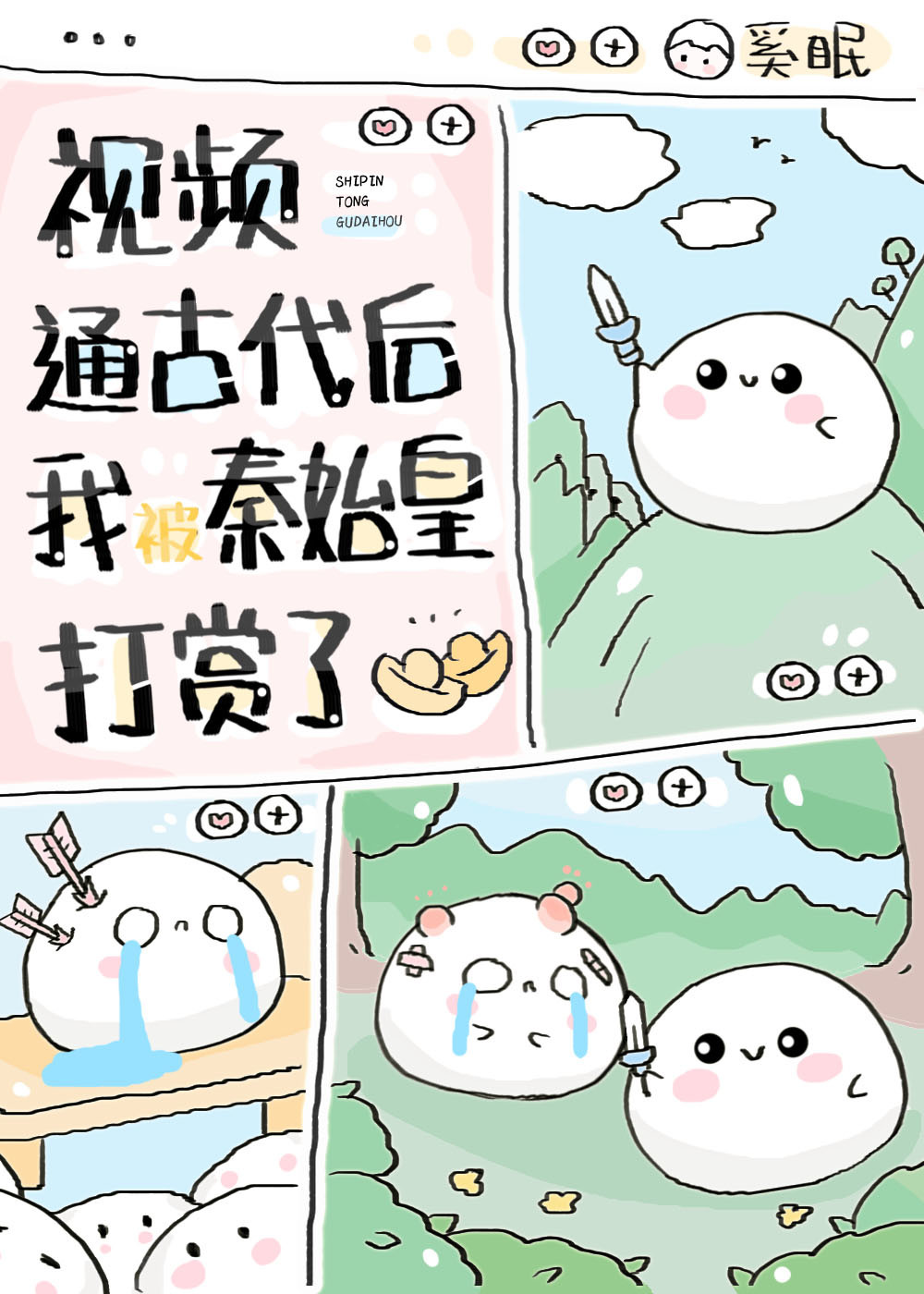 The Video Passed Through Ancient Times and Was Rewarded by Qin Shihuang
44.6kFavorites121.4kClicks/ch25.8kNutrition
The Video Passed Through Ancient Times and Was Rewarded by Qin Shihuang
44.6kFavorites121.4kClicks/ch25.8kNutrition
 Sky Screen Viewing of the Ming Dynasty Tyrant
33.2kFavorites58.2kClicks/ch59.7kNutrition
Sky Screen Viewing of the Ming Dynasty Tyrant
33.2kFavorites58.2kClicks/ch59.7kNutrition
 Zhuchao Watched My Live Broadcast of Daily Rural Life
67.7kFavorites129.8kClicks/ch135.7kNutrition
Zhuchao Watched My Live Broadcast of Daily Rural Life
67.7kFavorites129.8kClicks/ch135.7kNutrition
 Live Broadcast Daily Life to the Ancients
74.8kFavorites120.5kClicks/ch90.5kNutrition
Live Broadcast Daily Life to the Ancients
74.8kFavorites120.5kClicks/ch90.5kNutrition
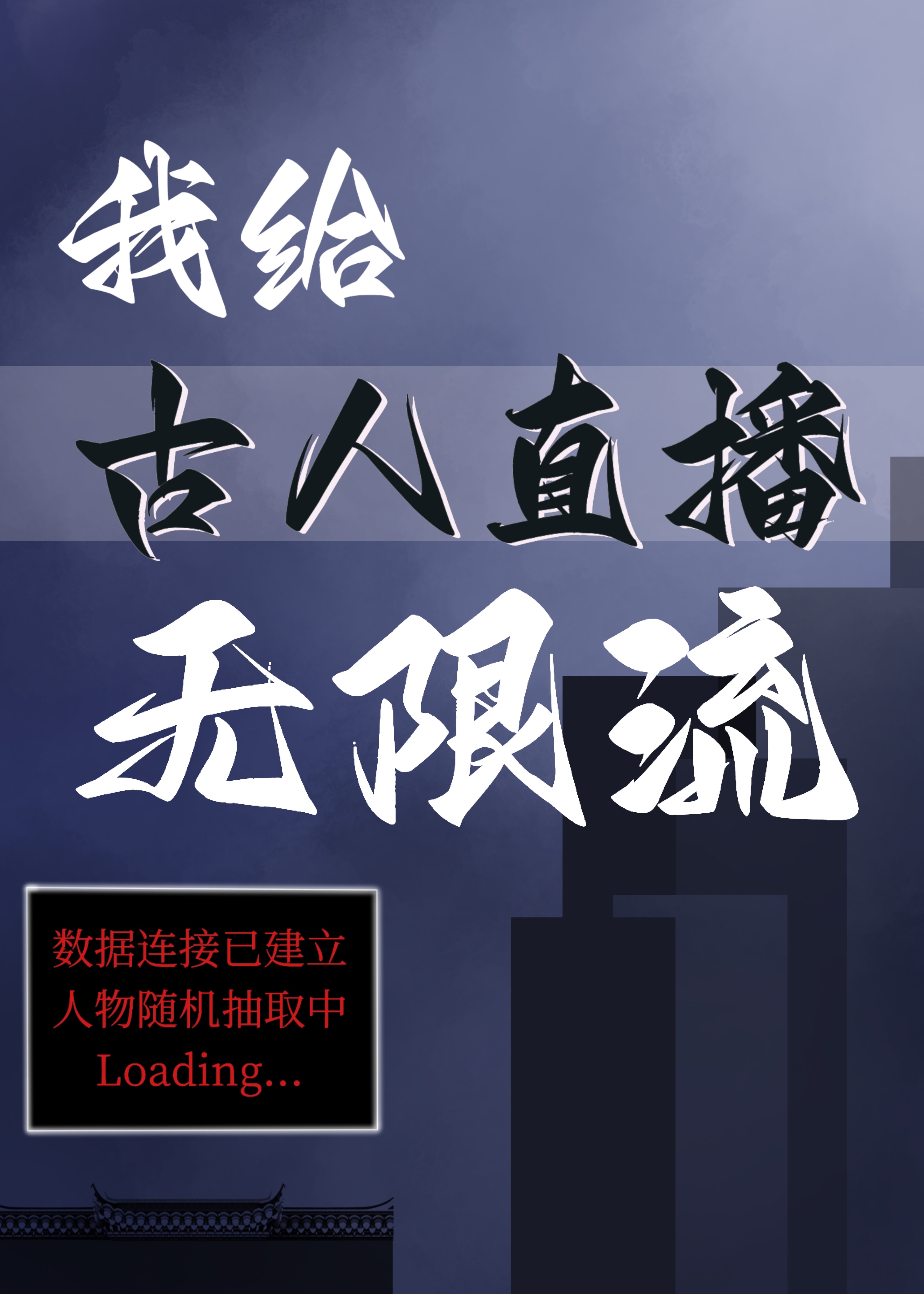 I Give Unlimited Live Streaming to the Ancients
30.4kFavorites62.7kClicks/ch35.3kNutrition
I Give Unlimited Live Streaming to the Ancients
30.4kFavorites62.7kClicks/ch35.3kNutrition
 Inventory of the Top Ten Poets in Ancient Times
84.9kFavorites217.3kClicks/ch143.6kNutrition
Inventory of the Top Ten Poets in Ancient Times
84.9kFavorites217.3kClicks/ch143.6kNutrition
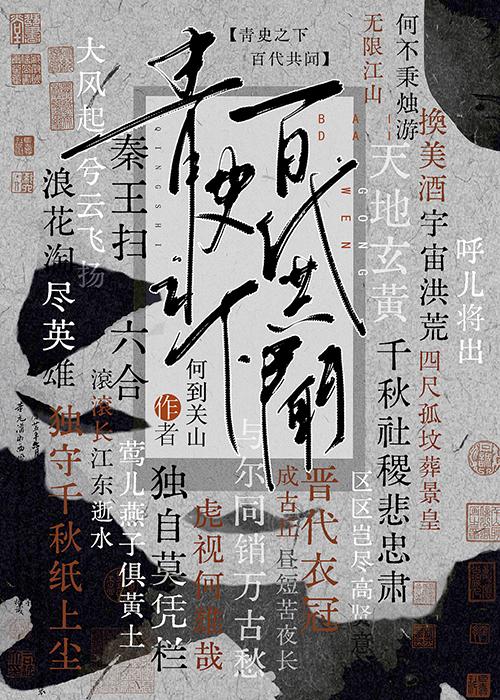 [History Live] Under the Ancient History, Generations Have Heard About It
59.7kFavorites113.9kClicks/ch100.1kNutrition
[History Live] Under the Ancient History, Generations Have Heard About It
59.7kFavorites113.9kClicks/ch100.1kNutrition
 Take Your Ancestors on a Self-Driving Trip! [History Live]
20.4kFavorites46.9kClicks/ch32.2kNutrition
Take Your Ancestors on a Self-Driving Trip! [History Live]
20.4kFavorites46.9kClicks/ch32.2kNutrition
 Live Broadcast to Zhu Yuanzhang That Zhu Di Will Rebel at the Beginning
55.9kFavorites168.3kClicks/ch148.7kNutrition
Live Broadcast to Zhu Yuanzhang That Zhu Di Will Rebel at the Beginning
55.9kFavorites168.3kClicks/ch148.7kNutrition