The stories of Xianxia are generally very grand. A few people decide the fate of all living things in the world. No matter whether the protagonist loves or hates them, they cannot joke with the lives of ordinary people.
Is this considered cultivation? In short, it should be about traveling through books to cultivate. Although traveling through books is very unscientific, the setting of spiritual depletion in the world view is very consistent with the law of conservation of energy (oi!). Although Emperor Xiang is a villain in the eyes of aristocratic families, he is also the savior of ordinary people. He gains immortality but loses what he wants... Etc., And so on. From the perspective of the protagonist, he fully understands the regrets and new life of this world.
Revisiting it again, Xiao Gu may have been short-tempered and youthful at first, but then fate played tricks on him, with ups and downs, but in the end, as Fungus said, a mayfly spends its entire life and returns as a young boy. After everything Xiao Gu has experienced, he is more like a willful child than when he was a child hahaha
Modern cultivation, the revival of spiritual energy, the Xuanzhen Taoist court, the law of heaven and earth, the return of mountains and seas, the reappearance of strange beasts, and the usurpation of power. It's a very refreshing setting, and the later battle scenes are also quite gorgeous.
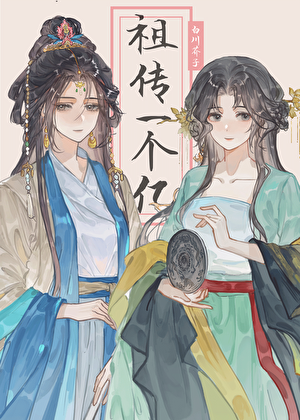 One Hundred Million Passed Down from Ancestors
40.7kFavorites61kClicks/ch56.2kNutrition
One Hundred Million Passed Down from Ancestors
40.7kFavorites61kClicks/ch56.2kNutrition
A Perfect Match 25.6kFavorites49.5kClicks/ch11.4kNutrition
See the Dragon 64.3kFavorites95.9kClicks/ch82.6kNutrition
 I Really Don't Want to Pursue the Heroine
8.5kFavorites16kClicks/ch6.1kNutrition
I Really Don't Want to Pursue the Heroine
8.5kFavorites16kClicks/ch6.1kNutrition