Dynasty Power Illustration:
Dayin Dynasty:
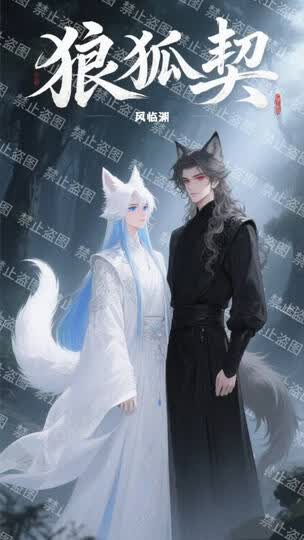
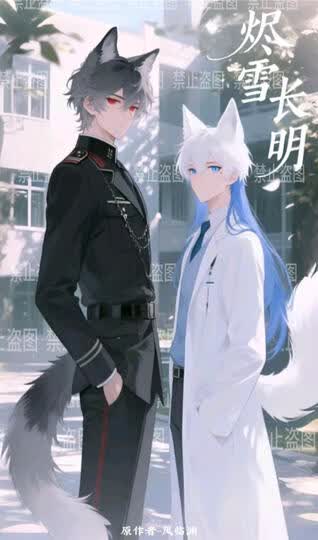
The towering Suzaku City Wall stretches nine feet, and the glazed tiles reflect the cold light in the sun. As the oldest country in the Central Plains, Dayin considers itself the "Lord of All Beasts". The royal snow fox bloodline has been passed down for thousands of years, and every emperor can awaken the nine-tailed fox fire. The Xuande Palace in the depths of the imperial city hides mysteries, and the fragments of ancient contracts are sealed in the dragon pillars. Under the bustling congratulatory ceremony on the surface, various forces are plotting against each other - the secret guards of the Prime Minister's Palace shuttle through the streets, the southern Xinjiang craftsmen disguise themselves as jugglers, and even the palace painter's pen and inkstone may contain deadly poison. The prince Xie Qinglan looks as gentle as jade, but in fact he is burdened with heavy shackles to balance the forces of all parties.
Plain Country:
On the vast grassland, the howls of wolves can be heard for hundreds of miles. The country of Pingyuan takes the wolf as its totem, and its citizens grew up on horseback and are good at riding, shooting and tactics. There are no strict palace walls here. The Khan's golden tent is the center of power. When the leaders of the twelve tribes sit around drinking, the broken wine bowl may indicate a bloody battle. As the only prince of the Pingyuan Kingdom, Mo Shizhi was regarded as a "half-breed bastard" because of his maternal origin. There was a defense plan of Dayin hidden in a secret room of his study, and the wolf-shaped jade pendant around his waist was a token that could command the dead warriors on the grassland. When he stepped into the Imperial City of Dayin as an imperial merchant, the camel caravan following behind him was not only loaded with rare treasures, but also concealed secret weapons that could change the situation of the war.
South Xinjiang Wu Village:
Deep in the Hundred Thousand Mountains, the buzz of poisonous insects and the spells of wizards are endless day and night. Thirty-six villages in southern Xinjiang were founded by witchcraft. The human skin lanterns hanging between the bamboo buildings swayed in the night wind. The bronze cauldron used by the village elders for sacrifices was boiling with a dark red liquid that was not sure whether it was medicinal soup or blood. The eyes of the people here glow with a strange blue-grey color, and they can drive venomous snakes and venomous bees to fight. Legend has it that a drop of the blood of a saint in southern Xinjiang can control the minds of thousands of people. When a plague breaks out on the border of Dayin and a caravan is attacked, is the "murderer wearing a bronze wolf head mask" described by the survivors a coincidence or a conspiracy?
Countries in the Western Regions:
The sound of camel bells travels across the desert, connecting thirty-six city-states. The Western Region is famous for its exquisite glass and sharp scimitars, but it is also a paradise for intelligence dealers. Every caravan leader has a secret message hidden in his sleeve, and the stories told by storytellers in the tavern may contain secret codes. When the personal bodyguard of Prince Dayin suddenly died in the Western Region Merchant House, the wolf hair and prairie spices left at the scene quietly linked the murder to the power disputes thousands of miles away. A key clue to cracking the mind-control curse was hidden in a luminous glass lamp that was paid tribute by a certain city-state.
Purpose: Write a book for OC