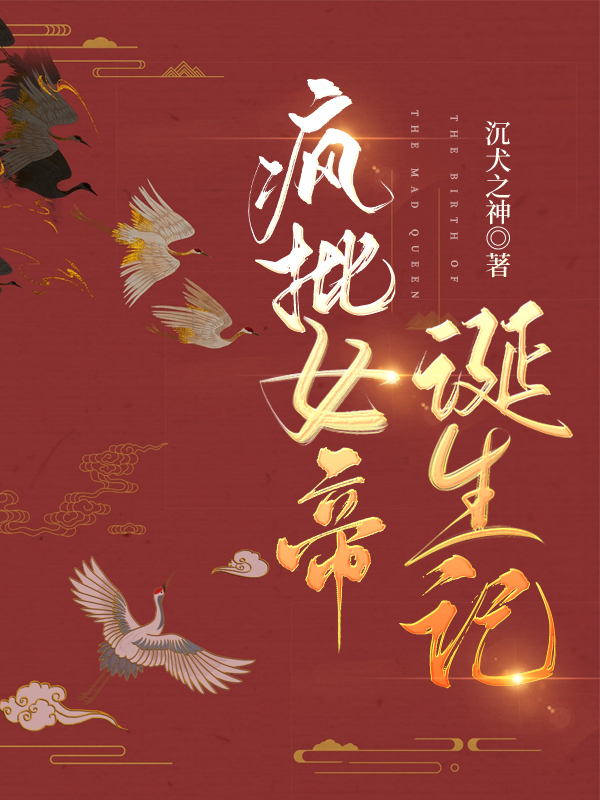
Copywriting of this book:
He Qing, the female emperor of Qin Zhao, had been in power for more than 20 years, and her five sons and four daughters fought fiercely for power. Later generations often called these nine sons competing for the legitimate son as the "dragon and phoenix vying for the pearl."
There is a folk joke that Emperor Qin Zhao's five sons and four daughters had five joys and four loves.
The prince Qin Yu likes a poor family, the second prince Qin Che likes a noble family, the third prince Qin Shian likes being a romantic, the fourth prince Qin Yongchen likes to be a scholar, and the fifth prince Qin Zijin likes the stage.
The eldest princess Qin Zheng loves faces, the second princess Qin Yiyin loves female officials, the third princess Qin Ya loves scholars, and the fourth princess Qin Zilan loves her cousin.
The sons of the empress are relatively low-key, but each daughter is more powerful than the other. There are different opinions in official and unofficial history. The eldest princess has three thousand heads and rides on Juechen. The second princess and the female official are about to break up. The third princess will destroy his whole family if she loves him. The fourth princess has a love-hate relationship with her cousin.
These four princesses can be said to be the enduring source of material for the novels of the Later Qin Dynasty and even later generations.
The protagonist of the story, the third princess Qin Ya, is the ultimate winner of the throne, Emperor Su of the later Qin Dynasty, and unofficial historians call him the mad emperor.
…
Nine sons compete for the rightful sons, dragons and phoenixes compete for the pearl, the empress, and the group of statues compete for the throne and power.
…
The idea: dragons and phoenixes compete for the throne, and the empress rises.
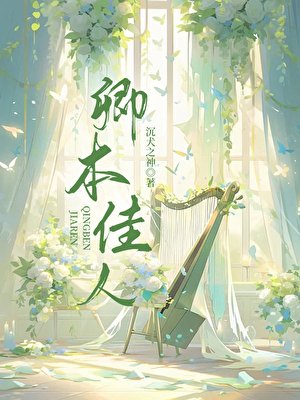 Beautiful Lady
 Get Off Your Horse and Watch the Flowers
 Apples of Eden
 Become a God in Another World
 He Is a Villain [Quick Travel]
 Passed Ten Cities
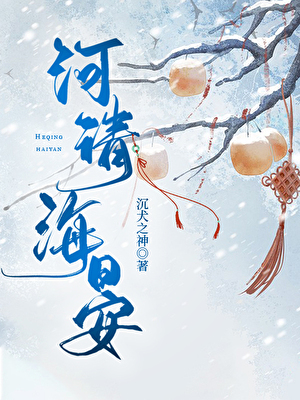 He Qing Haiyan
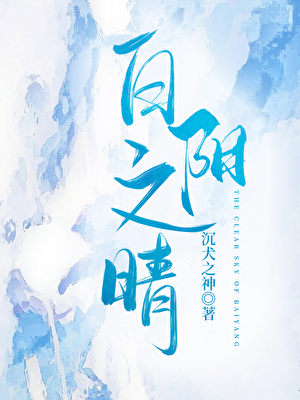 Baiyangzhiqing
 That Guy Is Handsome
 Childhood Sweethearts Lost to Green Tea and White Moonlight
 Hell-Level Rescue of the Darkened Protagonist [Quick Travel]