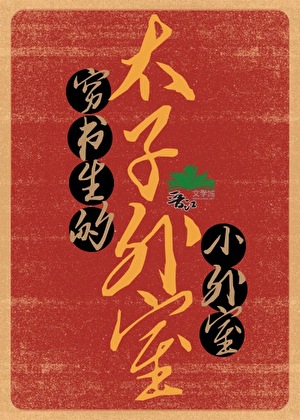
In her previous life, after Ye Li became a widower, she was sent to a Taoist temple to keep her chastity, and she was ordered to live a pure life.
However, someone accidentally broke into the Taoist temple and invaded Ye Li's heart, making her unable to control herself, breaking the rules and doing wrong things.
At that time, she had been diagnosed with pregnancy, but she saw lanterns and colorful firecrackers on her lover's door. The onlookers told her: "The young general is getting married today."
As if struck by lightning, Ye Li felt a dull pain in her abdomen, which strangled her breathing and made her unconscious immediately...
…
When she woke up again, Ye Li was still in her boudoir, and her fiancé was not dead yet.
Ye Li is determined to make up for her fiancé... And then become a monk and practice Taoism.
~Reading Guide~
1. The man saves the woman
2. The male protagonist stalks and robs with slight force.
3. The perspective of the male protagonist (the one who is the only one in the family) may be: the male and female protagonists should dip into the pig cage! (The author opposes being a widower and being a widow!)
4. The heroine will be more sentimental and crying before and after her rebirth. It won't always be the case, but it works very well for the male protagonist (not because he likes to cry beauties, but because he likes her and can't bear to let her cry).
5. This article is not a cool article, it is not a revengeful scumbag, it is not Feng Aotian, please do not enter the wrong door.
6. Free 6-7k words for regular ancient proverbs, and 90k words for free chapters of this article, just so that you can clearly see the writing style and character. Please be sure to read the free chapter and like the male and female protagonists and their interactions before considering whether to order.
7. Do not conduct research on mere assumptions
= ※ = ※ = ※ = ※ = ※ = ※ = ※ = ※ =
[There are many ancient sayings in the column, feel free to pick and choose]
Completed: "Taoist Beauty" and "The Beauty in the Play"
"Pampering Apricot" and "The Poor Scholar's Little Outer Room"
Purpose: To know people, know faces, and know hearts