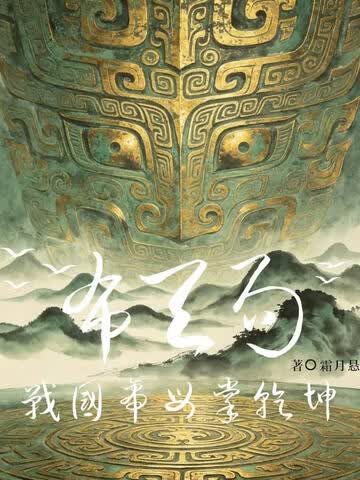
[Warring States Strategy | Native Heroine | Counterattack in Troubled Times]
Han Wan was originally a noble girl from a famous family in the Zhao Kingdom, with a graceful and proud appearance. However, once her family collapsed, she fell from the clouds into the mire, became a concubine in Lu Buwei's house, and was involved in the whirlpool of ambition.
In troubled times, life is like a piece of grass, and every step is filled with treacherous human hearts and machinations.
She hides her pride, endures and lies dormant, and survives in the chess game of powerful ministers. He was ordered to serve the hostage Ying Yiren and watch the disputes among the nations with a cold eye.
Everyone knows that she is a fateless woman who relies on the powerful and is a pawn at the mercy of others.
No one knows that this chess game in troubled times has been quietly controlled by her.
She protects her young son, overcomes difficulties, rides the storm, and enters Xianyang.
From the noble daughter in distress and the concubine of the palace, to the queen of the Qin Dynasty and the mother of the prince.
One day, the song will shake the mountains and rivers, and a woman will be able to control the world and overlook thousands of miles of Jiuzhou.
Purpose: My original intention in writing this book was to avenge Zhao Jim, who was shackled by one-sided labels in history books. The official history defines Zhao Ji as a selfish, mindless and mean concubine, completely ignoring her pain in protecting her young son during the nine-year desperate situation in Handan. She already deeply loved the eldest son who had experienced life and death. Ying Zheng has been plagued by rumors about his life for a long time, and his legitimacy has been questioned by later generations. Various film and television adaptations also always revolve around the Lao Ai Rebellion, framing the tragic ending of the complete breakup of mother and son.
I break away from the single criticism of Zhao Ji's personal ethics in "Historical Records" and analyze the motivations behind her various choices from a Machiavellian perspective, telling her story of her unwillingness to become a political pawn and her experience of self-salvation in the maelstrom of the Warring States Period. I added a warm parallel plot to allow her and Ying Zheng to maintain the mother-son bond of sharing weal and woe in Handan, understand each other, and work together to overcome the situation. All in all, this book tells the complete story of a woman in troubled times who went through ups and downs and finally transformed into a mature politician.