Background:
In the second year of Jingkang's reign, the Jin army defeated Bianjing.
The two emperors were taken captive to the north, and a century-old foundation was overturned. Among the rebellious army, a legendary "Emperor's Sword" wandered among the people and disappeared.
This sword was forged by the Mo family with all their efforts. It is said that whoever gets it can conquer the world. In order to prevent lives from being ruined, the seven guardians made a blood oath in Qishan - to hide this sword forever in the world.
Over the next hundred years, people familiar with the matter died one after another. The oath has been eroded by time, and the whereabouts of the sword remain a mystery. There is only one legend, floating in the rivers and lakes, burning in the dark.
In the eleventh year of Shaoxing, the Song-Jin peace talks were initially concluded.
Yue Fei died in vain, and Qin Hui took sole control of the court. The imperial court ceded territory and claimed vassal status, exchanging humiliation for peace. The south of the Yangtze River is as prosperous as ever, and singing and dancing are flourishing - but only God knows how much of the words "Fu" and "Feng" are true and how much is a whitewash.
In the Jin Dynasty, since the Wanyan family took control of the Central Plains, the emperor's throne changed and the powerful ministers were divided. It looks strong on the surface, but there are turbulent undercurrents on the inside.
The north and the south were divided, and peace was temporarily enjoyed. And the legend of the Emperor's Sword never really slumbers.
The court of the Jin Dynasty, the court of the Southern Song Dynasty, powerful men and women from all walks of life - all are searching in secret. A chess game about belonging to the world has begun.
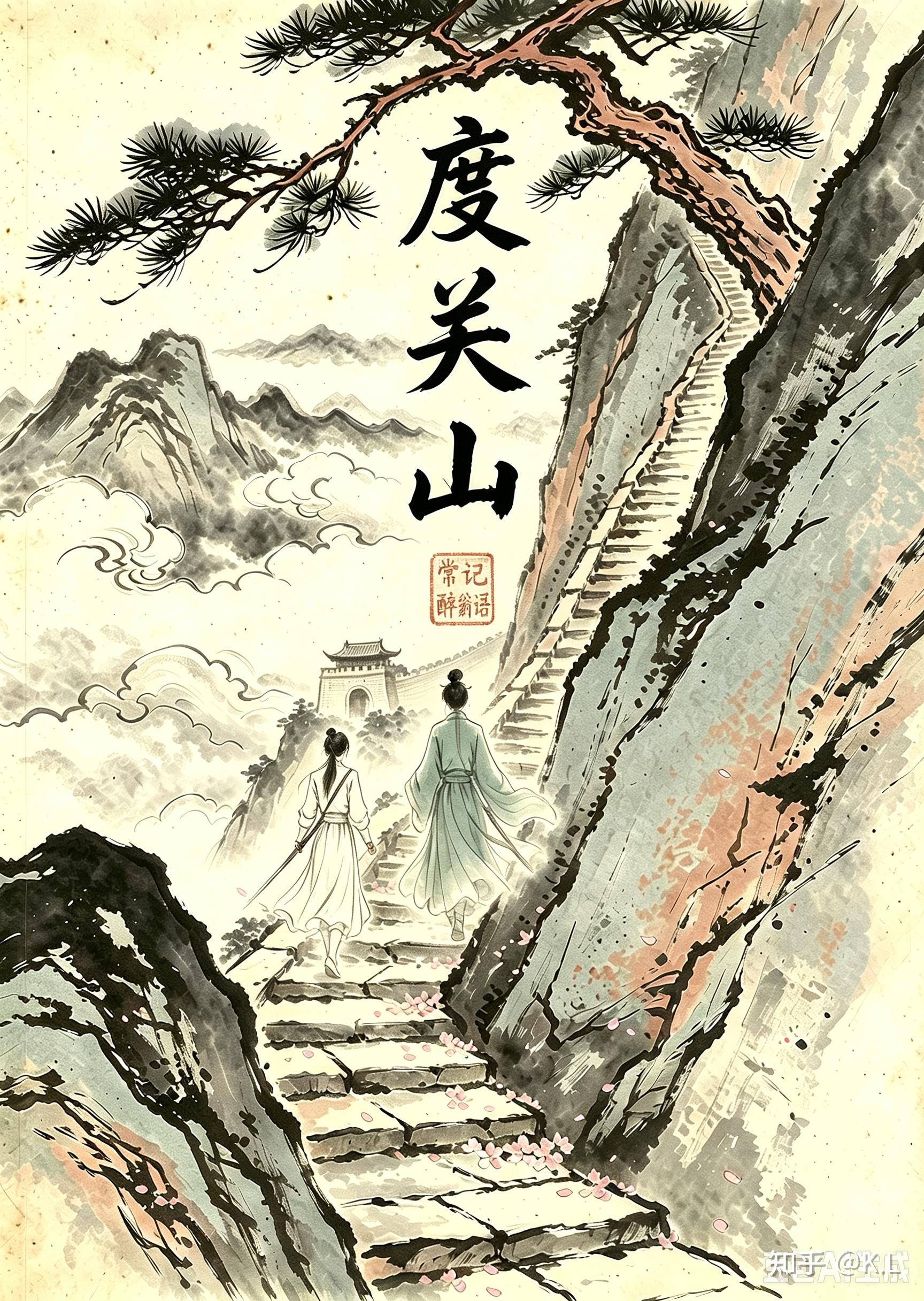
Hundreds of years pass by. Under the throne, buried are blood and oaths; above the rivers and lakes, holding a sword, two people, and a world of life and death.
(PS: Because I have made many fabrications about court disputes and history, I will write Song as Yan and Jin as Rong in the novel.)
Characters:
Gu An: Check on the left in front of the Jinguo Palace. He has a gentle face from the south of the Yangtze River, but he is unruly in his bones. He was ordered to go south to secretly search for the emperor's sword, and was involved in a century-old chess game.
Li Yuanheng: The senior sister of Hengshan School, with bright eyes and clear sword heart. I was supposed to spend my life guarding the mountain gate and protecting Hengshan—but I met Gu An.
The main event involves a century-old chess game. From suspicion to side by side, feelings secretly arise, but restraint and etiquette are followed. How can emotions arise during the chess game?
Character:
Gu An (accepted)
Externally: She is as gentle as a lady, holding branches in her mouth and breaking jars.
Internal: Unruly and ruthless, emphasizing affection and righteousness, hard-boned and soft-hearted.
Love: Clumsy and slow-tongued, stubborn.
(PS: This character is inspired by the famous Northern Song Dynasty general Guo Yaoshi. He is a marginal hero who cannot help himself under the general trend of history. There will be Confucian moral flaws.)
Li Yuanheng (attack)
External: upright, restrained and calm, thoughtful.
Inside: There is a needle hidden in the cotton, I would rather break it than bend it, be decisive and even paranoid.
Qing: Deep in love, silent and completely stingy.
(PS: This character has the restraint of Cheng Ying and the character of Ning Zhongze. Using these two characters as a reference, the core is just more paranoid and tough.)
Concept: a historical drama with Lily elements.