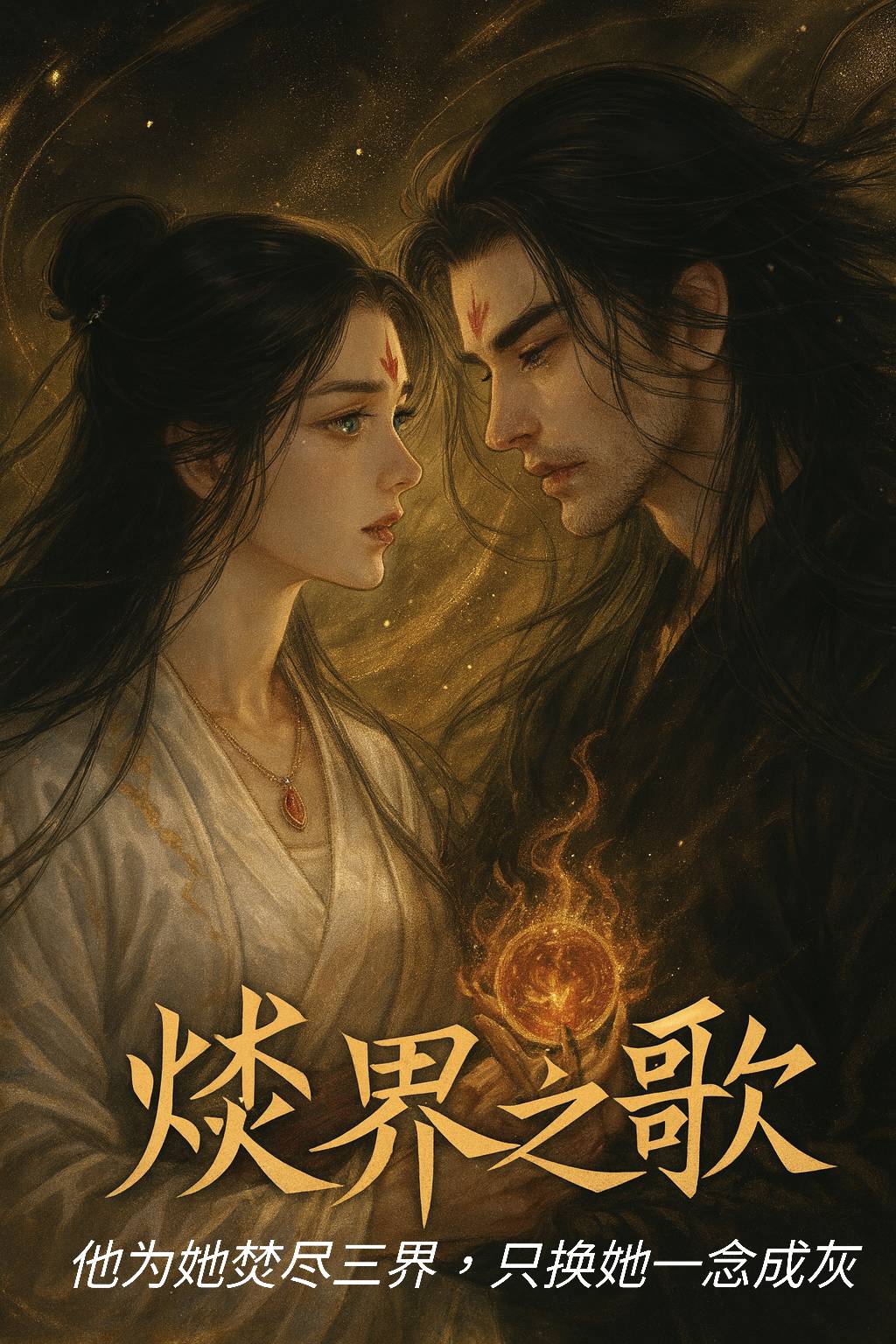
The Qi Dynasty was inherited through the maternal line, and the empress was in power. The harem, like the government, had rules to follow. The war was tense and the national treasury was at its bottom. Instead of increasing taxes and improving people's livelihood, Qiwanju introduced a new policy that everyone could see but no one wanted to admit: loan from the harem, put the silver into the treasury, clear names, and traceable responsibilities.
She thought she was just writing the unspoken rules of the past into the open, giving the country another way to survive. Until the new man who entered the inner court appeared - Lu Zhaoran, who was not on the roster, did not receive a rank, did not kneel according to the rules, and did not seek favors. During the day, he straightened out the process for her, but at night he forced her to make her own choices. He seemed to be submissive, but in fact, step by step, he turned the harem into a calculable chess game, pushing her into a greater price and game.
The male favorites began to feel uneasy, the female official's pen began to pause, and questions from the outside court flooded in: Is this a strategy to save the country, or is the empress overstepping her authority and making arbitrary decisions? The first thing Qiwanyu noticed was not the rumors, but that the rules themselves were being grasped - someone could force her to pay in a legal way.
In Qi Dynasty, the real rebellion is not to demand, but to write the demands into articles. She wanted to protect the dynasty and herself; but the more she wanted to take control, the more she found that she had been forced into the situation.
Intention: Qichao is not afraid of women's selfishness, but is afraid of disorder. So they write everything down in the register: there are records of incoming and outgoing, there are entries for accompanying people, there are proofs for depositing money into the treasury, and the responsibilities can be traced. The empress Qiwanju always believed that as long as the unspoken rules of the past were written into explicit rules, the country would be stable and the heart would be at ease. Until that man showed up. He doesn't rely on favors to gain the upper hand, nor does he rely on love words to win. He only does one thing: using rules as a knife to force her to make her own choice. During the day, I helped her organize the process without leakage, but at night, I made her understand that the real power is not sitting on the throne, but who can make you sign the terms, admit the price, and take responsibility for a word. What this story wants to say is: the world never lacks desire, but what it lacks is rules that can make choices accountable. When love is written down, romance will not disappear, but will become sharper and more real - because if you want it, you have to bear it; whoever you want to keep, you have to use the authority that can be fulfilled. In Qi Dynasty, the most rebellious thing is not indulgence, but writing demands into terms; the most deadly thing is not resistance, but letting the other party make a choice willingly.