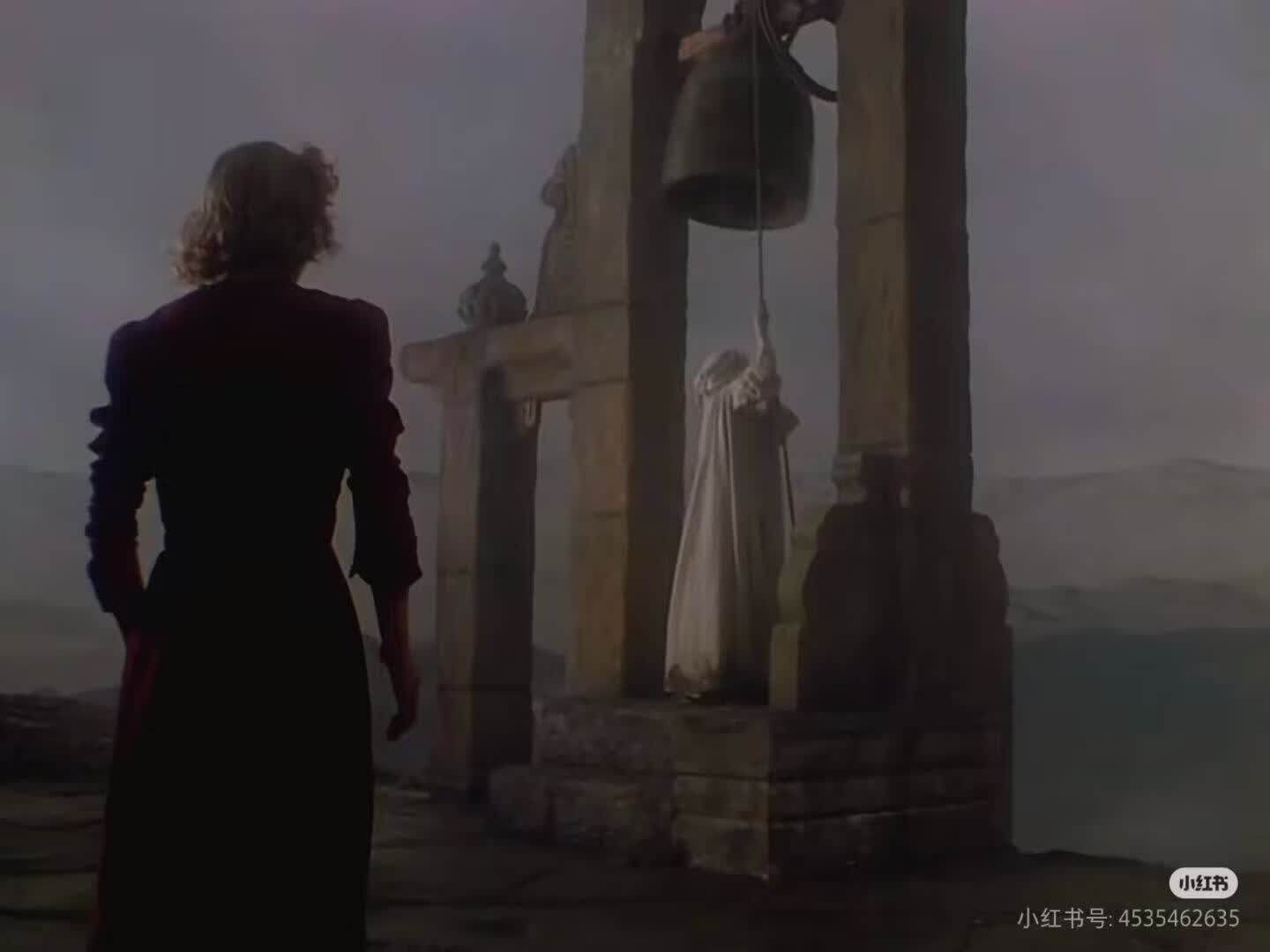
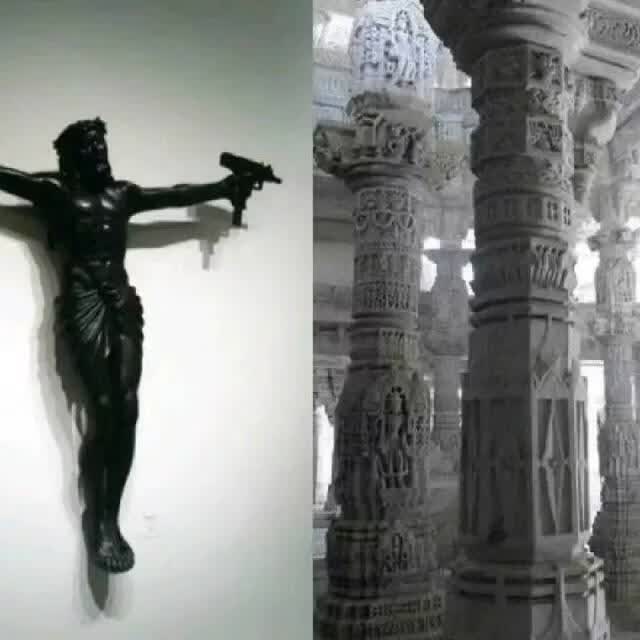
"The loss of self-esteem and self-blasphemy of those who pretend to resist fate."
Tacenda's conclusion to the previous chapter:
"His purpose of resisting fate and its essence transcend the vagaries of human cognition that can be explored. Its own variability includes unknown factors in the world. They may be absurd scenes within his personal cognitive conditions. It is human nature to look at his own selfishness and hers. Unconstant anger. Excessive crime but not guilty. He deserves to enjoy his fate. It is related to his birth. I never wanted to see too much of his behavior of escaping from the world and moving away from his family. However, Gojo Satoru made me feel contradictory and unreasonable. He himself faced other people, life and death. The cognitive view has never been unable to self-explain. In the face of the Protestants among vampires, he seems to have abandoned the ignorance and backwardness of monotheism, and has made great contributions to stripping away its essential flesh and blood. There is no doubt that he is a deviant and hypocritical rebel. Whether his honor and hypocritical salvation are real. It came from her and my friends. I never knew it, and I would avoid his nature. He has never enjoyed the killing desire from the vampire instinct so much. I have never met a man who is so suitable for this. There is no doubt that Gojo Satoru is a perfect artist of killing girls. Even though he almost never practiced it. As mentioned in my first sentence, this reminds me of Stephen King's "A Tale of Four Seasons". He once became extremely enthusiastic after reading it and proposed that the corpses of the girls should be determined by the letters related to their surnames in different seasons. When is the specific date to drain their blood, like a guy who still has self-awareness and is still dying, I will never be able to say everything in general, but what can stand the test of truth is that my friend does not seem to have betrayed me, and it is visible to the naked eye. His girlfriend also felt more and more that she was in danger. He was not cold-blooded and still loved the art of architecture, but who knew the outcome. I just looked at the corpses of my lovers, and then looked at his pale skin. His face was so perfect, as if it symbolized the so-called. All the beauty. 'She was everything to me. ' That's all I could guess after he mailed the note to me. Dier should not have threatened him. His regret may only be realized before his death, just like he never regretted it when he killed those nobles."
Purpose: The unsolvable problem and whereabouts of mental toxins