Fanqie library
Browse
- Titles
- 1.6k
Every Fanqie book we index, searchable by title, author or tag.
-
 Buddha's Great Purification Dharmamen Sutra
It sounds like this. At one time, the Buddha traveled to Vulture Mountain in Rajagaha. Together with the great monks. Five hundred monks. Eight thousand Bodhisattvas. All great sages always have immeasurable eloquence. It established the door to the three liberations of the Holy Wisdom of Discrimination. In the third generation of wisdom, there is nothing to worry about. The attainment of Samadhi cannot be transferred. The ten powers are fearless and everything is sufficient. At that time there
—Reads8.2Score—Shelves
Buddha's Great Purification Dharmamen Sutra
It sounds like this. At one time, the Buddha traveled to Vulture Mountain in Rajagaha. Together with the great monks. Five hundred monks. Eight thousand Bodhisattvas. All great sages always have immeasurable eloquence. It established the door to the three liberations of the Holy Wisdom of Discrimination. In the third generation of wisdom, there is nothing to worry about. The attainment of Samadhi cannot be transferred. The ten powers are fearless and everything is sufficient. At that time there
—Reads8.2Score—Shelves
-
 The Buddha Said the Mahakasyapa Sutra
Buddhist scriptures. It guides people to be good, and the philosophical thoughts contained in it are worthy of people's study and reflection.
—Reads7.7Score—Shelves
The Buddha Said the Mahakasyapa Sutra
Buddhist scriptures. It guides people to be good, and the philosophical thoughts contained in it are worthy of people's study and reflection.
—Reads7.7Score—Shelves
-
 The Buddha Explains the Heart Sutra
It sounds like this. At one time, the Buddha traveled to Vulture Mountain in Rajagaha. Together with five hundred monks and four tribes. The Buddha wears morning clothes and holds an alms bowl. Go to a county and divide the defense. All the gods, dragons and gods chased the minister. Live outside the Brahma Hall. The Buddha's amplified light shines in all directions. At that time, Fanzhi's wife was cooking rice. See the light and feel safe. Jie Han Immeasurable is thinking to himself. The brilli
—Reads7.8Score—Shelves
The Buddha Explains the Heart Sutra
It sounds like this. At one time, the Buddha traveled to Vulture Mountain in Rajagaha. Together with five hundred monks and four tribes. The Buddha wears morning clothes and holds an alms bowl. Go to a county and divide the defense. All the gods, dragons and gods chased the minister. Live outside the Brahma Hall. The Buddha's amplified light shines in all directions. At that time, Fanzhi's wife was cooking rice. See the light and feel safe. Jie Han Immeasurable is thinking to himself. The brilli
—Reads7.8Score—Shelves
-
 The Buddha Said About Receiving the New Year Sutra
Chinese classical religious classics are shining classics and outstanding works in the treasure house of Chinese traditional culture. They are expressed in various forms and reflect the glorious picture of Chinese classical literary works.
—Reads8.2Score—Shelves
The Buddha Said About Receiving the New Year Sutra
Chinese classical religious classics are shining classics and outstanding works in the treasure house of Chinese traditional culture. They are expressed in various forms and reflect the glorious picture of Chinese classical literary works.
—Reads8.2Score—Shelves
-
 Buddha Said the Sutra of Four Generations
Chinese classical religious classics are shining classics and outstanding works in the treasure house of Chinese traditional culture. They are expressed in various forms and reflect the glorious picture of Chinese classical literary works.
—Reads7.6Score—Shelves
Buddha Said the Sutra of Four Generations
Chinese classical religious classics are shining classics and outstanding works in the treasure house of Chinese traditional culture. They are expressed in various forms and reflect the glorious picture of Chinese classical literary works.
—Reads7.6Score—Shelves
-
 The Buddha Said the Sutra of the Brahma Chronicles on the Mind of the Female Head
Buddhist scriptures. It guides people to be good, and the philosophical thoughts contained in it are worthy of people's study and reflection.
—Reads7.6Score—Shelves
The Buddha Said the Sutra of the Brahma Chronicles on the Mind of the Female Head
Buddhist scriptures. It guides people to be good, and the philosophical thoughts contained in it are worthy of people's study and reflection.
—Reads7.6Score—Shelves
-
 The Buddha Said the Sutra of Prince Deguang
At one time, the Buddha was on the Lingniaoding Mountain in the city of Rajagaha. Together with the 1,250 great monks and 500 Bodhisattvas.
—Reads7.7Score—Shelves
The Buddha Said the Sutra of Prince Deguang
At one time, the Buddha was on the Lingniaoding Mountain in the city of Rajagaha. Together with the 1,250 great monks and 500 Bodhisattvas.
—Reads7.7Score—Shelves
-
 Vajra Life Dharani Sutra
Esoteric scriptures. One roll. Translated by Tang Bu Kong. Collected in volume 20 of "Taisho Tibetan". It is abbreviated as "Vajra Lifespan Dharani Sutra", "Vajra Lifespan Sutra" and "Vajra Lifespan Sutra". The whole volume is only over a thousand words. It is narrated that when the Buddha and the monks were on the bank of the Ganges River, the Four Heavenly Kings thought that all living beings were subject to disasters such as premature death, misfortune, disease, etc., So they asked the World
—Reads7.9Score—Shelves
Vajra Life Dharani Sutra
Esoteric scriptures. One roll. Translated by Tang Bu Kong. Collected in volume 20 of "Taisho Tibetan". It is abbreviated as "Vajra Lifespan Dharani Sutra", "Vajra Lifespan Sutra" and "Vajra Lifespan Sutra". The whole volume is only over a thousand words. It is narrated that when the Buddha and the monks were on the bank of the Ganges River, the Four Heavenly Kings thought that all living beings were subject to disasters such as premature death, misfortune, disease, etc., So they asked the World
—Reads7.9Score—Shelves
-
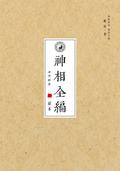 Complete Collection of Divine Images
"The Complete Collection of Shen Xiang" is a collection of Chinese physiognomy classics. It was written by Chen Tuan in the Song Dynasty and revised by Yuan Zhongche in the Ming Dynasty. The book consists of twelve volumes and contains more than 300 articles on physiognomy by more than 30 physiognomy experts, covering almost all fields of Chinese physiognomy. This book not only reveals the wisdom of the ancients in exploring the human heart, but also provides modern people with a window to inher
—Reads9.2Score—Shelves
Complete Collection of Divine Images
"The Complete Collection of Shen Xiang" is a collection of Chinese physiognomy classics. It was written by Chen Tuan in the Song Dynasty and revised by Yuan Zhongche in the Ming Dynasty. The book consists of twelve volumes and contains more than 300 articles on physiognomy by more than 30 physiognomy experts, covering almost all fields of Chinese physiognomy. This book not only reveals the wisdom of the ancients in exploring the human heart, but also provides modern people with a window to inher
—Reads9.2Score—Shelves
-
 The Buddha Said the Mahayana Sutra Asked by the Venerable Protector of the Country
The Buddha said the Carving Anagami Sutra
—Reads8.2Score—Shelves
The Buddha Said the Mahayana Sutra Asked by the Venerable Protector of the Country
The Buddha said the Carving Anagami Sutra
—Reads8.2Score—Shelves
-
 The Buddha Said Brahma Chi Shui Jing Jing Sutra
It sounds like this. For a while, Pojia Po. On the water bank of Yutangluo (near Mojie). Alone under the tree, I first awakened. At that time, there was a Brahmin named Shui Jing who was wandering around after eating. Go to the Blessed One. The World-Honored One saw the Brahmin Ji Shui Jing coming from afar. The World-Honored One saw that Brahman had already purified the water. For this reason, I told the monks.
—Reads7.8Score—Shelves
The Buddha Said Brahma Chi Shui Jing Jing Sutra
It sounds like this. For a while, Pojia Po. On the water bank of Yutangluo (near Mojie). Alone under the tree, I first awakened. At that time, there was a Brahmin named Shui Jing who was wandering around after eating. Go to the Blessed One. The World-Honored One saw the Brahmin Ji Shui Jing coming from afar. The World-Honored One saw that Brahman had already purified the water. For this reason, I told the monks.
—Reads7.8Score—Shelves
-
 The Buddha Said That the King Is Not Leshenni's Ten Dreams Sutra
The Buddha said the Dharmamen Sutra in a broad sense
—Reads7.6Score—Shelves
The Buddha Said That the King Is Not Leshenni's Ten Dreams Sutra
The Buddha said the Dharmamen Sutra in a broad sense
—Reads7.6Score—Shelves
-
 The Buddha Said the Dharmamen Sutra in a Broad Sense
The Buddha said the Guangbo, Yanjing, and Immortal Wheel-turning Sutra
—Reads8.1Score—Shelves
The Buddha Said the Dharmamen Sutra in a Broad Sense
The Buddha said the Guangbo, Yanjing, and Immortal Wheel-turning Sutra
—Reads8.1Score—Shelves
-
 Volume 12 of the Bodhisattva's Hidden Buddhist Sutras
Yuqing inner book. The author is unknown and originated from the Tang Dynasty. The content is similar to books such as "Tongyou Jue", "Red Saw into Black Saw Jue", "Huandan Jitu Jue" and other books. "Tongzhi·Yiwenlue" contains two volumes of this book, and one volume remains today. Original source: "Orthodox Taoist Canon", Dongshen Department's Various Techniques Category.
—Reads7.7Score—Shelves
Volume 12 of the Bodhisattva's Hidden Buddhist Sutras
Yuqing inner book. The author is unknown and originated from the Tang Dynasty. The content is similar to books such as "Tongyou Jue", "Red Saw into Black Saw Jue", "Huandan Jitu Jue" and other books. "Tongzhi·Yiwenlue" contains two volumes of this book, and one volume remains today. Original source: "Orthodox Taoist Canon", Dongshen Department's Various Techniques Category.
—Reads7.7Score—Shelves
-
 Haiyi Bodhisattva's Questions About the Pure Seal Dharma Door Sutra
Haiyi Bodhisattva's Questions about the Pure Seal Dharma Door Sutra
—Reads8.1Score—Shelves
Haiyi Bodhisattva's Questions About the Pure Seal Dharma Door Sutra
Haiyi Bodhisattva's Questions about the Pure Seal Dharma Door Sutra
—Reads8.1Score—Shelves
-
 The Buddha's Sutra on Purifying Obstacles of Karma
A whole volume. Translator unknown. It was roughly translated in the Pre-Qin and Western Qin eras (351-431). It is also called the Purification of Karma Sutra and the Sutra of Purification of Karma Obstacles. Collected in Volume 24 of the Taisho Collection. The content of this sutra is divided into three sections. Bhikkhu Wustained Light went to the city to beg for food, was cursed by a prostitute, violated the fundamental precepts, and suffered great distress. Seeing Manjushri Bodhisattva, the
—Reads8.7Score—Shelves
The Buddha's Sutra on Purifying Obstacles of Karma
A whole volume. Translator unknown. It was roughly translated in the Pre-Qin and Western Qin eras (351-431). It is also called the Purification of Karma Sutra and the Sutra of Purification of Karma Obstacles. Collected in Volume 24 of the Taisho Collection. The content of this sutra is divided into three sections. Bhikkhu Wustained Light went to the city to beg for food, was cursed by a prostitute, violated the fundamental precepts, and suffered great distress. Seeing Manjushri Bodhisattva, the
—Reads8.7Score—Shelves
-
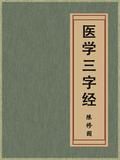 The Three Character Classic of Medicine (Free Public Edition Book)
An introduction to comprehensive traditional Chinese medicine. Volumes 1-2 cover the origin of medicine and the symptoms, diagnosis and treatment of common diseases in internal medicine, gynecology and pediatrics; Volumes 3-4 describe commonly used clinical prescriptions and analyze their efficacy and compatibility of prescriptions. The book is easy to understand and easy to remember, making it one of the most widely circulated medical books.
—Reads9.3Score—Shelves
The Three Character Classic of Medicine (Free Public Edition Book)
An introduction to comprehensive traditional Chinese medicine. Volumes 1-2 cover the origin of medicine and the symptoms, diagnosis and treatment of common diseases in internal medicine, gynecology and pediatrics; Volumes 3-4 describe commonly used clinical prescriptions and analyze their efficacy and compatibility of prescriptions. The book is easy to understand and easy to remember, making it one of the most widely circulated medical books.
—Reads9.3Score—Shelves
-
 The Buddha Turned Himself into a Sutra of Suffering for Ajiluo Kasyapa
It is also called the Sutra of self-transformation into suffering, and the Buddha is the Sutra of self-transformation into suffering. Collected in Volume 14 of the Taisho Collection.
—Reads7.7Score—Shelves
The Buddha Turned Himself into a Sutra of Suffering for Ajiluo Kasyapa
It is also called the Sutra of self-transformation into suffering, and the Buddha is the Sutra of self-transformation into suffering. Collected in Volume 14 of the Taisho Collection.
—Reads7.7Score—Shelves
-
 Debate and Corruption on the Picture of Six Objects Made by Buddha
—Reads7.8Score—Shelves
Debate and Corruption on the Picture of Six Objects Made by Buddha
Debate and Corruption on the Picture of Six Objects Made by Buddha
—Reads7.8Score—Shelves
-
 The Huayan Sutra of Dafangguangfo Is Inconceivable About the Divisions of Buddhist Realms
The Huayan Sutra of Dafangguangfo is inconceivable about the divisions of Buddhist realms
—Reads7.9Score—Shelves
The Huayan Sutra of Dafangguangfo Is Inconceivable About the Divisions of Buddhist Realms
The Huayan Sutra of Dafangguangfo is inconceivable about the divisions of Buddhist realms
—Reads7.9Score—Shelves
-
 The Buddha Says the Sutra on Cleansing the Image of the Buddha
Translated by Shaman Shifaju in the Western Jin Dynasty: At that time, the Buddha told the people of the heavens at Mahashatou. All listened with wholeheartedness. Buddha said. The human body is rare. The same is true for the Tao of Wuwei. The Buddha's world is hard to come by. I was originally from the time of the Asamkhya Tribulation.
—Reads8.2Score—Shelves
The Buddha Says the Sutra on Cleansing the Image of the Buddha
Translated by Shaman Shifaju in the Western Jin Dynasty: At that time, the Buddha told the people of the heavens at Mahashatou. All listened with wholeheartedness. Buddha said. The human body is rare. The same is true for the Tao of Wuwei. The Buddha's world is hard to come by. I was originally from the time of the Asamkhya Tribulation.
—Reads8.2Score—Shelves
-
 Buddhist Bhikkhu Six Objects Chart
"The Picture of the Six Objects Made by the Buddha" is a book on religious philosophy written by Yuan Zhao. It is better to see those who are happy to learn the precepts. Want to buy legal clothes. Don't know what to do. It's both ignorant of the rules and regulations. Inherit many wrong habits. But its system. All over the text. So summarize its gist. See and hear. Return to the old chapter. And divided into tens. Invoking Orthodoxy. The concubine's order is guaranteed. Criticism is inappropria
—Reads7.7Score—Shelves
Buddhist Bhikkhu Six Objects Chart
"The Picture of the Six Objects Made by the Buddha" is a book on religious philosophy written by Yuan Zhao. It is better to see those who are happy to learn the precepts. Want to buy legal clothes. Don't know what to do. It's both ignorant of the rules and regulations. Inherit many wrong habits. But its system. All over the text. So summarize its gist. See and hear. Return to the old chapter. And divided into tens. Invoking Orthodoxy. The concubine's order is guaranteed. Criticism is inappropria
—Reads7.7Score—Shelves
-
 The Buddha Said the Buddha's Ten Powers Sutra
So I heard. At that time, the Buddha only had a solitary garden in Savatthi State. Together with the others
—Reads7.8Score—Shelves
The Buddha Said the Buddha's Ten Powers Sutra
So I heard. At that time, the Buddha only had a solitary garden in Savatthi State. Together with the others
—Reads7.8Score—Shelves
-
 Zhou Gong's Complete Dream Interpretation
This edition carefully collects all the essence of four classic works: "The Interpretation of Dreams by the Duke of Zhou", "The Mysterious Interpretation of Menglin", "Dunhuang Dream Book" and "Dream-Breaking Secretary". It has been rearranged and summarized according to the types of dreams to facilitate everyone's inquiry and interpretation.
—Reads9.4Score—Shelves
Zhou Gong's Complete Dream Interpretation
This edition carefully collects all the essence of four classic works: "The Interpretation of Dreams by the Duke of Zhou", "The Mysterious Interpretation of Menglin", "Dunhuang Dream Book" and "Dream-Breaking Secretary". It has been rearranged and summarized according to the types of dreams to facilitate everyone's inquiry and interpretation.
—Reads9.4Score—Shelves
-
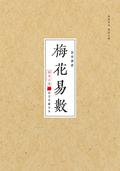 Plum Blossoms Are Easy to Count (Forbidden City Collection Edition)
"The Number of Plum Blossoms" is also known as "The Number of Plum Blossoms in Zhouyi" and "The Number of Plum Blossoms in the Heart". This book is famous for its concise and flexible divination methods. Based on the innate Bagua math theory, it can generate hexagrams anytime and anywhere. There are various ways to extract hexagrams. Whether it is based on time, picking up rice, or based on words and deeds, it can predict good or bad luck quickly and accurately. Shao Yong used this method, and i
—Reads9.4Score—Shelves
Plum Blossoms Are Easy to Count (Forbidden City Collection Edition)
"The Number of Plum Blossoms" is also known as "The Number of Plum Blossoms in Zhouyi" and "The Number of Plum Blossoms in the Heart". This book is famous for its concise and flexible divination methods. Based on the innate Bagua math theory, it can generate hexagrams anytime and anywhere. There are various ways to extract hexagrams. Whether it is based on time, picking up rice, or based on words and deeds, it can predict good or bad luck quickly and accurately. Shao Yong used this method, and i
—Reads9.4Score—Shelves
-
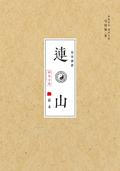 Mountains
"Lianshan" is one of the "Three Yis", also known as "Lianshan Yi". Its name first appeared in "Zhou Li Chunguan Zongbo Dabu", and it is said that it was written by the Emperor's family. "Book of Rites of the Zhou Dynasty": "The method of the three Yis of Taibu Zhang, the first is called Lianshan Yi, the second is called Guizang, and the third is called Zhouyi. Its sutras and hexagrams all have eight, and their differences are all sixty and four." Lianshan and Guizang are also ancient mysteries o
—Reads9.4Score—Shelves
Mountains
"Lianshan" is one of the "Three Yis", also known as "Lianshan Yi". Its name first appeared in "Zhou Li Chunguan Zongbo Dabu", and it is said that it was written by the Emperor's family. "Book of Rites of the Zhou Dynasty": "The method of the three Yis of Taibu Zhang, the first is called Lianshan Yi, the second is called Guizang, and the third is called Zhouyi. Its sutras and hexagrams all have eight, and their differences are all sixty and four." Lianshan and Guizang are also ancient mysteries o
—Reads9.4Score—Shelves
-
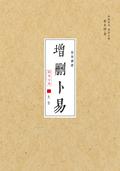 Add and Delete Divination
"Add and Deletion Divination" is a six-line divination classic that Li Wenhui added, deleted, and revised. The theory in the book is explained in a simple and profound way. Through the explanation of a large number of practical divination examples, it provides paradigmatic guidance for later generations of research. This book is known as the masterpiece of six-yao prediction. It not only elaborates on the methods and theories of six-yao divination in detail, but also incorporates the author's ma
—Reads9.4Score—Shelves
Add and Delete Divination
"Add and Deletion Divination" is a six-line divination classic that Li Wenhui added, deleted, and revised. The theory in the book is explained in a simple and profound way. Through the explanation of a large number of practical divination examples, it provides paradigmatic guidance for later generations of research. This book is known as the masterpiece of six-yao prediction. It not only elaborates on the methods and theories of six-yao divination in detail, but also incorporates the author's ma
—Reads9.4Score—Shelves
-
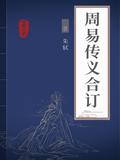 Zhouyi Chuanyi Combined Edition
This work "The Book of Changes" is written by Zhu Shi
—Reads7.7Score—Shelves
Zhouyi Chuanyi Combined Edition
This work "The Book of Changes" is written by Zhu Shi
—Reads7.7Score—Shelves
-
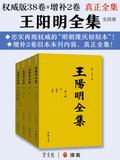 The Complete Works of Wang Yangming (All Four Volumes)
Based on the authoritative Longqing first edition of "Wang Wencheng Gongquan Shu", 2 additional volumes of unpublished content from the old edition are added! Wang Yangming's "philosophy of mind, martial arts, and legendary life" are all in this set of books! This set of "The Complete Works of Wang Yangming" not only includes Wang Yangming's lifelong quotations and articles, but also various biographies, chronologies, memorial texts about Wang Yangming since the Ming Dynasty, as well as various
—Reads9.3Score—Shelves
The Complete Works of Wang Yangming (All Four Volumes)
Based on the authoritative Longqing first edition of "Wang Wencheng Gongquan Shu", 2 additional volumes of unpublished content from the old edition are added! Wang Yangming's "philosophy of mind, martial arts, and legendary life" are all in this set of books! This set of "The Complete Works of Wang Yangming" not only includes Wang Yangming's lifelong quotations and articles, but also various biographies, chronologies, memorial texts about Wang Yangming since the Ming Dynasty, as well as various
—Reads9.3Score—Shelves
-
 Shangqing Taishang Ba Su Zhen Jing
. The author is unknown, but it dates from the Eastern Jin and Southern Dynasties. It is one of the important classics of the early Shangqing sect. One roll. Original source: "Orthodox Taoist Canon" Dongxuan Department Jade Jue Class.
—Reads8.2Score—Shelves
Shangqing Taishang Ba Su Zhen Jing
Shangqing Taishang Ba Su Zhen Jing. The author is unknown, but it dates from the Eastern Jin and Southern Dynasties. It is one of the important classics of the early Shangqing sect. One roll. Original source: "Orthodox Taoist Canon" Dongxuan Department Jade Jue Class.
—Reads8.2Score—Shelves
-
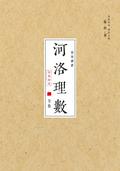 Heluo Theory
"He Luo Li Shu" is a classic work written by Chen Tuan, a Yi scholar in the Song Dynasty. It is based on the theory of "Yi Jing", He Tu and Luo Shu, and uses the eight trigrams to predict the good and bad fortune of people. It is a treasure of the Yi school. This book not only integrates the ancient yin-yang and five-element theories, but also innovatively uses four pillars to form hexagrams and combines the year, month, day and time of a person's birth to predict the trajectory of destiny, maki
—Reads9.4Score—Shelves
Heluo Theory
"He Luo Li Shu" is a classic work written by Chen Tuan, a Yi scholar in the Song Dynasty. It is based on the theory of "Yi Jing", He Tu and Luo Shu, and uses the eight trigrams to predict the good and bad fortune of people. It is a treasure of the Yi school. This book not only integrates the ancient yin-yang and five-element theories, but also innovatively uses four pillars to form hexagrams and combines the year, month, day and time of a person's birth to predict the trajectory of destiny, maki
—Reads9.4Score—Shelves
-
 Sangha Sutra
Sangha Zha Sutra is pronounced as sēng qie zhà, also known as Sangha Duo. Translated as assembly. Dharma name. The first chapter of the Sangha Dharma Sutra says: "There is a Dharma door called Sangha Dharma. If this Dharma door is in Jambudvipa, anyone who hears it will be able to eliminate the five negative sins." The first chapter of the Great Assembly Zheng Dharma Sutra says: "I have a Dharma called the Great Assembly." These two sutras have the same version but different translations. Brahma
—Reads9.4Score—Shelves
Sangha Sutra
Sangha Zha Sutra is pronounced as sēng qie zhà, also known as Sangha Duo. Translated as assembly. Dharma name. The first chapter of the Sangha Dharma Sutra says: "There is a Dharma door called Sangha Dharma. If this Dharma door is in Jambudvipa, anyone who hears it will be able to eliminate the five negative sins." The first chapter of the Great Assembly Zheng Dharma Sutra says: "I have a Dharma called the Great Assembly." These two sutras have the same version but different translations. Brahma
—Reads9.4Score—Shelves
-
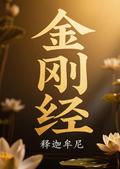 Diamond Sutra
The annotated version of the core classic of Mahayana Buddhism, the Diamond Sutra, is newly presented! This wisdom classic, which records the dialogue between Sakyamuni and his disciple Subhuti, is a handed down scripture highly praised by Kangxi and Yongzheng father and son - Kangxi hand-copied this scripture to pray for his grandmother, and Yongzheng devoted himself to copying it in the name of "Bearing the Dust", creating a dual treasure of calligraphy and wisdom. As an important source of Ze
—Reads9.4Score—Shelves
Diamond Sutra
The annotated version of the core classic of Mahayana Buddhism, the Diamond Sutra, is newly presented! This wisdom classic, which records the dialogue between Sakyamuni and his disciple Subhuti, is a handed down scripture highly praised by Kangxi and Yongzheng father and son - Kangxi hand-copied this scripture to pray for his grandmother, and Yongzheng devoted himself to copying it in the name of "Bearing the Dust", creating a dual treasure of calligraphy and wisdom. As an important source of Ze
—Reads9.4Score—Shelves
-
 Medical Telepathy
Ancient Chinese medicine books are a shining pearl in the treasure house of Chinese medicine. They have high guiding significance and practical value, and have made significant contributions and far-reaching influences on the development of medicine in later generations.
—Reads8.7Score—Shelves
Medical Telepathy
Ancient Chinese medicine books are a shining pearl in the treasure house of Chinese medicine. They have high guiding significance and practical value, and have made significant contributions and far-reaching influences on the development of medicine in later generations.
—Reads8.7Score—Shelves
-
 Shangqing Returned to the Gods, Flew into the Sky, and Summoned Five Stars to Read the Dharma Sutra
The author is unknown, probably from the Northern and Southern Dynasties. It is a compilation of two chapters: "The Method of Flying to the Sky to Move the Five Stars" and "The Method of Soothing the Gods and Keeping Inner Thoughts on the Flying Immortals". One roll. Original source: the first part of "Orthodox Taoist Canon".
—Reads8.5Score—Shelves
Shangqing Returned to the Gods, Flew into the Sky, and Summoned Five Stars to Read the Dharma Sutra
The author is unknown, probably from the Northern and Southern Dynasties. It is a compilation of two chapters: "The Method of Flying to the Sky to Move the Five Stars" and "The Method of Soothing the Gods and Keeping Inner Thoughts on the Flying Immortals". One roll. Original source: the first part of "Orthodox Taoist Canon".
—Reads8.5Score—Shelves
-
 Stop Studying
Chinese traditional cultural thoughts have a long history and are highly original, original and literary. The early ideological forms were very distinctive, with extensive and profound contents such as religious theology, Chinese medicine classics, ancient military art, Confucianism, Taoism, Buddhism and hundreds of schools of thought, Feng Shui metaphysics, Twenty-Four Histories, customs and geography, etc. This series of "Original Books on Classic Chinese Studies and Essence Culture" retains t
—Reads8.6Score—Shelves
Stop Studying
Chinese traditional cultural thoughts have a long history and are highly original, original and literary. The early ideological forms were very distinctive, with extensive and profound contents such as religious theology, Chinese medicine classics, ancient military art, Confucianism, Taoism, Buddhism and hundreds of schools of thought, Feng Shui metaphysics, Twenty-Four Histories, customs and geography, etc. This series of "Original Books on Classic Chinese Studies and Essence Culture" retains t
—Reads8.6Score—Shelves
-
 Yellow Emperor's Golden Chamber and Jade Balance Sutra
, one volume. Author unknown. Original source: "Orthodox Taoist Canon" Dongzhenbu Zongshu Category.
—Reads8.4Score—Shelves
Yellow Emperor's Golden Chamber and Jade Balance Sutra
Yellow Emperor's Golden Chamber and Jade Balance Sutra, one volume. Author unknown. Original source: "Orthodox Taoist Canon" Dongzhenbu Zongshu Category.
—Reads8.4Score—Shelves
-
 Xiaolin Guangji
The content of "Laughing Lin Guangji" is mostly taken from Feng Menglong's "Laughing Mansion", which is a comprehensive collection of ancient jokes. The whole book is divided into 12 volumes, each volume has a unique theme, such as greed, worldliness, fallacy, boudoir style, etc., And various situations in the world, irritating people, warm and cold people, and funny people. It is said that the organizer of this book, Game Master, is not just one person, but a group of literati in the Qing Dynas
—Reads9.4Score—Shelves
Xiaolin Guangji
The content of "Laughing Lin Guangji" is mostly taken from Feng Menglong's "Laughing Mansion", which is a comprehensive collection of ancient jokes. The whole book is divided into 12 volumes, each volume has a unique theme, such as greed, worldliness, fallacy, boudoir style, etc., And various situations in the world, irritating people, warm and cold people, and funny people. It is said that the organizer of this book, Game Master, is not just one person, but a group of literati in the Qing Dynas
—Reads9.4Score—Shelves
-
 Acupuncture Is Easy to Learn
Ancient Chinese medicine books are a shining pearl in the treasure house of Chinese medicine. They have high guiding significance and practical value, and have made significant contributions and far-reaching influences on the development of medicine in later generations.
—Reads9.3Score—Shelves
Acupuncture Is Easy to Learn
Ancient Chinese medicine books are a shining pearl in the treasure house of Chinese medicine. They have high guiding significance and practical value, and have made significant contributions and far-reaching influences on the development of medicine in later generations.
—Reads9.3Score—Shelves
-
 Medical Forest Correction
Ancient Chinese medicine books are a shining pearl in the treasure house of Chinese medicine. They have high guiding significance and practical value, and have made significant contributions and far-reaching influences on the development of medicine in later generations. "Yilin Correction", 2 volumes, was written by Wang Qingren in the Qing Dynasty and published in 1830. The first volume contains two contents. The first is a discussion of the anatomy of the internal organs. It puts forward the a
—Reads9.4Score—Shelves
Medical Forest Correction
Ancient Chinese medicine books are a shining pearl in the treasure house of Chinese medicine. They have high guiding significance and practical value, and have made significant contributions and far-reaching influences on the development of medicine in later generations. "Yilin Correction", 2 volumes, was written by Wang Qingren in the Qing Dynasty and published in 1830. The first volume contains two contents. The first is a discussion of the anatomy of the internal organs. It puts forward the a
—Reads9.4Score—Shelves
-
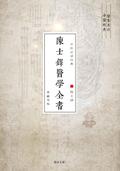 Chen Shiduo's Complete Medical Book
"Chen Shiduo Medical Encyclopedia" is a collection of medical works by Chen Shiduo, a famous medical scientist in the Qing Dynasty. It is rich in content and rigorously annotated, covering all aspects of traditional Chinese medicine, including pulseology, syndrome differentiation and treatment, prescription compatibility, etc. This book collects many of his handed down works and puts forward many unique treatment methods and academic viewpoints. It is an important work among ancient Chinese medi
—Reads9.4Score—Shelves
Chen Shiduo's Complete Medical Book
"Chen Shiduo Medical Encyclopedia" is a collection of medical works by Chen Shiduo, a famous medical scientist in the Qing Dynasty. It is rich in content and rigorously annotated, covering all aspects of traditional Chinese medicine, including pulseology, syndrome differentiation and treatment, prescription compatibility, etc. This book collects many of his handed down works and puts forward many unique treatment methods and academic viewpoints. It is an important work among ancient Chinese medi
—Reads9.4Score—Shelves
-
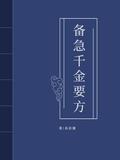 Prepare for Emergencies
"A Thousand Gold Prescriptions for Emergency", also known as "A Thousand Gold Prescriptions" or "A Thousand Gold Prescriptions", is one of the classic medical works of the ancient Han people and is a comprehensive clinical medical work. There are 30 volumes in total. It was written by Sun Simiao in the Tang Dynasty and was completed in the third year of Yonghui (652). This book is a collection of diagnosis and treatment experience before the Tang Dynasty, which has a great influence on later gen
—Reads9.2Score—Shelves
Prepare for Emergencies
"A Thousand Gold Prescriptions for Emergency", also known as "A Thousand Gold Prescriptions" or "A Thousand Gold Prescriptions", is one of the classic medical works of the ancient Han people and is a comprehensive clinical medical work. There are 30 volumes in total. It was written by Sun Simiao in the Tang Dynasty and was completed in the third year of Yonghui (652). This book is a collection of diagnosis and treatment experience before the Tang Dynasty, which has a great influence on later gen
—Reads9.2Score—Shelves
-
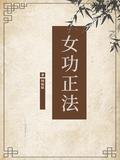 Female Gong Dharma
This work "Female Gong Zhengfa" is written by He Xiangu
—Reads8.8Score—Shelves
Female Gong Dharma
This work "Female Gong Zhengfa" is written by He Xiangu
—Reads8.8Score—Shelves
-
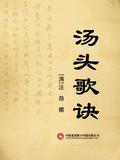 Soup Rhymes
"Song of Soup" was written in 1694 by Wang Ang in the Qing Dynasty. The whole book is divided into 20 categories according to the functions of tonifying, releasing, attacking internal organs, vomiting, reconciling, tonifying, regulating qi, dispelling wind, purging fire, removing phlegm, reducing astringency, and menstruation. It compiles more than 200 medical prescriptions commonly used in clinical practice at that time into more than 200 songs, with a total of 308 prescriptions. Attached are t
—Reads9.3Score—Shelves
Soup Rhymes
"Song of Soup" was written in 1694 by Wang Ang in the Qing Dynasty. The whole book is divided into 20 categories according to the functions of tonifying, releasing, attacking internal organs, vomiting, reconciling, tonifying, regulating qi, dispelling wind, purging fire, removing phlegm, reducing astringency, and menstruation. It compiles more than 200 medical prescriptions commonly used in clinical practice at that time into more than 200 songs, with a total of 308 prescriptions. Attached are t
—Reads9.3Score—Shelves
-
 Injury from a Fall
Injury from a fall
—Reads8.2Score—Shelves
Injury from a Fall
Injury from a fall
—Reads8.2Score—Shelves
-
 Immortal Teaches the Secret Recipe for Treating Injuries, Discontinuing and Treating Injuries
"The Immortal's Secret Recipe for Treating Injuries and Diagnosis", a monograph on orthopedics and traumatology. It is also known as "The Dipsacus Prescription for Li Shang" and "The Dipsacus Prescription for Li Shang taught by Lin Tao Renxian". One roll. Biography of Taoist Lin of the Tang Dynasty. Published around 846. Firstly, the 14 steps and prescriptions of osteopathic techniques are discussed, and secondly, the treatment methods and prescriptions for injuries are discussed. The book descr
—Reads8.5Score—Shelves
Immortal Teaches the Secret Recipe for Treating Injuries, Discontinuing and Treating Injuries
"The Immortal's Secret Recipe for Treating Injuries and Diagnosis", a monograph on orthopedics and traumatology. It is also known as "The Dipsacus Prescription for Li Shang" and "The Dipsacus Prescription for Li Shang taught by Lin Tao Renxian". One roll. Biography of Taoist Lin of the Tang Dynasty. Published around 846. Firstly, the 14 steps and prescriptions of osteopathic techniques are discussed, and secondly, the treatment methods and prescriptions for injuries are discussed. The book descr
—Reads8.5Score—Shelves
-
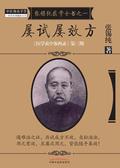 Tried and Effective Formula
This book is the first, second and third issue of Zhang Xichun's "Medical Zhongzhongshenxilu", that is, the "Prescription Chapter". The book "Medicine Zhongzhongshenxilu" has eight issues in total. This book is closely integrated with clinical practice, turning the complex into simplicity, the difficult into easy, and the profound into simple. The writing is direct and heartfelt, full of new ideas, lively, cordial and touching. "Repeatedly Tried and Repeatedly Effective Prescriptions" is Zhang X
—Reads9.4Score—Shelves
Tried and Effective Formula
This book is the first, second and third issue of Zhang Xichun's "Medical Zhongzhongshenxilu", that is, the "Prescription Chapter". The book "Medicine Zhongzhongshenxilu" has eight issues in total. This book is closely integrated with clinical practice, turning the complex into simplicity, the difficult into easy, and the profound into simple. The writing is direct and heartfelt, full of new ideas, lively, cordial and touching. "Repeatedly Tried and Repeatedly Effective Prescriptions" is Zhang X
—Reads9.4Score—Shelves
-
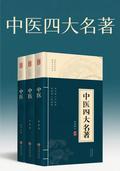 Four Classical Books on Traditional Chinese Medicine
"Four Masterpieces of Traditional Chinese Medicine" are four classic masterpieces in the history of the development of traditional Chinese medicine, including "Huangdi Neijing", "Difficult Classic", "Treatise on Febrile and Miscellaneous Diseases", and "Shen Nong's Materia Medica". They are not only important documents for medical research, but also treasures of Chinese culture, allowing people to appreciate the breadth and depth of traditional Chinese medicine.
—Reads9.4Score—Shelves
Four Classical Books on Traditional Chinese Medicine
"Four Masterpieces of Traditional Chinese Medicine" are four classic masterpieces in the history of the development of traditional Chinese medicine, including "Huangdi Neijing", "Difficult Classic", "Treatise on Febrile and Miscellaneous Diseases", and "Shen Nong's Materia Medica". They are not only important documents for medical research, but also treasures of Chinese culture, allowing people to appreciate the breadth and depth of traditional Chinese medicine.
—Reads9.4Score—Shelves
-
 Shangqing Dadong Zhenjing
"Shangqing Dadong Zhenjing", also known as "Thirty-Nine Chapters Sutra", was developed from "Huangting Jing" and is a representative classic of the Shangqing sect of Taoism. The Shangqing sect calls it the first of the three wonders of Taoism. It is said that if you get the "Dadong Zhenjing", you can become an immortal without the need for golden elixirs and read it thousands of times. Therefore, it has been taught continuously through the ages. Naturally, there are different versions. Generally
—Reads8.5Score—Shelves
Shangqing Dadong Zhenjing
"Shangqing Dadong Zhenjing", also known as "Thirty-Nine Chapters Sutra", was developed from "Huangting Jing" and is a representative classic of the Shangqing sect of Taoism. The Shangqing sect calls it the first of the three wonders of Taoism. It is said that if you get the "Dadong Zhenjing", you can become an immortal without the need for golden elixirs and read it thousands of times. Therefore, it has been taught continuously through the ages. Naturally, there are different versions. Generally
—Reads8.5Score—Shelves
-
 Shenfeng Pass Test
"Shenfeng Tongkao" is an ancient Han traditional numerology work. One of the ancient numerology books of Four Pillars and Eight Characters, it is known as a must-read numerology ancient book for anyone who studies horoscope fortune telling. Its status is very high in the numerology academic circle. The original name was "Mr. Shenfeng Zhang's Comprehensive Examination of Numerology and Authentic Errors" and was written by Zhang Nan, the son of Shenfeng in the Ming Dynasty. It is one of the top te
—Reads8.8Score—Shelves
Shenfeng Pass Test
"Shenfeng Tongkao" is an ancient Han traditional numerology work. One of the ancient numerology books of Four Pillars and Eight Characters, it is known as a must-read numerology ancient book for anyone who studies horoscope fortune telling. Its status is very high in the numerology academic circle. The original name was "Mr. Shenfeng Zhang's Comprehensive Examination of Numerology and Authentic Errors" and was written by Zhang Nan, the son of Shenfeng in the Ming Dynasty. It is one of the top te
—Reads8.8Score—Shelves