Fanqie library
Browse
- Titles
- 4
Every Fanqie book we index, searchable by title, author or tag.
-
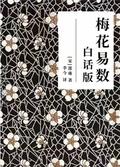 Plum Blossoms Are Easy to Count (Vernacular Version)
"The Numbers of Plum Blossoms", also known as "The Numbers of Plum Blossoms", is said to have been written by Shao Yong, a Yi scholar in the Song Dynasty. It is based on the mathematics in the "Book of Changes", distinguishes body and function, and combines the theories of yin and yang, five elements, Bagua and other hexagrams to infer the good or bad luck and changes of things. The number of plum blossoms can be used to predict fortunes anytime and anywhere. It can not only tell fortunes, but c
5.7kReads9.5Score—Shelves
Plum Blossoms Are Easy to Count (Vernacular Version)
"The Numbers of Plum Blossoms", also known as "The Numbers of Plum Blossoms", is said to have been written by Shao Yong, a Yi scholar in the Song Dynasty. It is based on the mathematics in the "Book of Changes", distinguishes body and function, and combines the theories of yin and yang, five elements, Bagua and other hexagrams to infer the good or bad luck and changes of things. The number of plum blossoms can be used to predict fortunes anytime and anywhere. It can not only tell fortunes, but c
5.7kReads9.5Score—Shelves
-
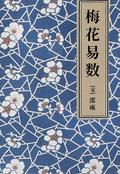 Plum Blossoms Are Easy to Count (Full Version)
"The Numbers of Plum Blossoms", also known as "The Numbers of Plum Blossoms", is said to have been written by Shao Yong, a Yi scholar in the Song Dynasty. It is based on the mathematics in the "Book of Changes", distinguishes body and function, and combines the theories of yin and yang, five elements, Bagua and other hexagrams to infer the good or bad luck and changes of things. The number of plum blossoms can be used to predict fortunes anytime and anywhere. It can not only tell fortunes, but c
2.3kReads9.4Score—Shelves
Plum Blossoms Are Easy to Count (Full Version)
"The Numbers of Plum Blossoms", also known as "The Numbers of Plum Blossoms", is said to have been written by Shao Yong, a Yi scholar in the Song Dynasty. It is based on the mathematics in the "Book of Changes", distinguishes body and function, and combines the theories of yin and yang, five elements, Bagua and other hexagrams to infer the good or bad luck and changes of things. The number of plum blossoms can be used to predict fortunes anytime and anywhere. It can not only tell fortunes, but c
2.3kReads9.4Score—Shelves
-
 Read the Secrets of "Fishermen and Woodcutter"
[Traditional classics + accurate literal translation + in-depth analysis + Neo-Confucian classics + hermit culture + Mathematics school] Every day we see the road, and the questions and answers hide the secrets. The reclusive classic of Neo-Confucianism, comprehensive and transparent interpretation! "Qiao Qiao Qiao" is a philosophical work written by Shao Yong, a Neo-Confucian in the Northern Song Dynasty. With the help of the dialogue between the fisherman and the woodcutter, it extensively and
—Reads8.4Score—Shelves
Read the Secrets of "Fishermen and Woodcutter"
[Traditional classics + accurate literal translation + in-depth analysis + Neo-Confucian classics + hermit culture + Mathematics school] Every day we see the road, and the questions and answers hide the secrets. The reclusive classic of Neo-Confucianism, comprehensive and transparent interpretation! "Qiao Qiao Qiao" is a philosophical work written by Shao Yong, a Neo-Confucian in the Northern Song Dynasty. With the help of the dialogue between the fisherman and the woodcutter, it extensively and
—Reads8.4Score—Shelves
-
 Plum Blossoms Are Easy to Count
"The Number of Plum Blossoms" is one of the ancient Chinese divination methods. Today's Bagua Xiangshu and Plum Blossom Heart Yishang are both nicknames for Plum Blossom Yishu. According to legend, it was written by Shao Yong, a scholar of the Yi Dynasty in the Song Dynasty. It is a book based on the mathematics of the Yi study and combined with the "Xiang Xue" of the Yi study for divination. It is said that when Shao Yong used it, every hexagram was sure to be correct, and it worked repeatedly.
—Reads9.5Score—Shelves
Plum Blossoms Are Easy to Count
"The Number of Plum Blossoms" is one of the ancient Chinese divination methods. Today's Bagua Xiangshu and Plum Blossom Heart Yishang are both nicknames for Plum Blossom Yishu. According to legend, it was written by Shao Yong, a scholar of the Yi Dynasty in the Song Dynasty. It is a book based on the mathematics of the Yi study and combined with the "Xiang Xue" of the Yi study for divination. It is said that when Shao Yong used it, every hexagram was sure to be correct, and it worked repeatedly.
—Reads9.5Score—Shelves