Fanqie library
Browse
- Titles
- 8
Every Fanqie book we index, searchable by title, author or tag.
-
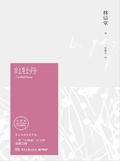 Red Peony (Commemorative Collector's Edition)
"Red Peony" describes a true-hearted woman, Red Peony, who pursues true love. After being newly widowed, she bravely breaks away from the shackles of her husband's family, boldly rebels against traditional ethics, pursues freedom of love, and pursues "ideal love." This book boldly writes about emotions and sex, with ups and downs of the plot, which is fascinating, and there are also some meaningful and witty words about love. It is a work of Lin Yutang's literary talent.
—Reads9.3Score—Shelves
Red Peony (Commemorative Collector's Edition)
"Red Peony" describes a true-hearted woman, Red Peony, who pursues true love. After being newly widowed, she bravely breaks away from the shackles of her husband's family, boldly rebels against traditional ethics, pursues freedom of love, and pursues "ideal love." This book boldly writes about emotions and sex, with ups and downs of the plot, which is fascinating, and there are also some meaningful and witty words about love. It is a work of Lin Yutang's literary talent.
—Reads9.3Score—Shelves
-
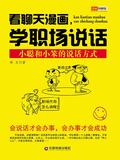 Read Chat Comics and Learn How to Speak in the Workplace
The art of language has penetrated into every class and every corner of society. Children who "can talk" will be favored by their elders, while children who "can't talk" will be ignored by their elders; subordinates who "can talk" will be appreciated by the boss, while subordinates who "can't talk" will be alienated by the boss; employees who "can talk" will be welcomed by colleagues, while employees who "can't talk" will be welcomed by their colleagues. They will be isolated by their colleagues
—Reads8.6Score—Shelves
Read Chat Comics and Learn How to Speak in the Workplace
The art of language has penetrated into every class and every corner of society. Children who "can talk" will be favored by their elders, while children who "can't talk" will be ignored by their elders; subordinates who "can talk" will be appreciated by the boss, while subordinates who "can't talk" will be alienated by the boss; employees who "can talk" will be welcomed by colleagues, while employees who "can't talk" will be welcomed by their colleagues. They will be isolated by their colleagues
—Reads8.6Score—Shelves
-
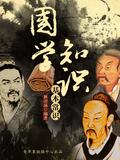 Basic Knowledge of Chinese Studies
Chinese traditional culture takes Confucianism as its core, advocates valuing traditional academic culture, and cherishes China's glorious history. It has nationalist ideas of "carrying forward national glory" and vague democratic ideas, but also has the limitations of "honoring lost heritage, advocating honors and honors" and being conservative. In general, Chinese traditional culture has a long history, which is a symbol of the greatness and richness of our nation and a symbol of the prosperit
—Reads9.1Score—Shelves
Basic Knowledge of Chinese Studies
Chinese traditional culture takes Confucianism as its core, advocates valuing traditional academic culture, and cherishes China's glorious history. It has nationalist ideas of "carrying forward national glory" and vague democratic ideas, but also has the limitations of "honoring lost heritage, advocating honors and honors" and being conservative. In general, Chinese traditional culture has a long history, which is a symbol of the greatness and richness of our nation and a symbol of the prosperit
—Reads9.1Score—Shelves
-
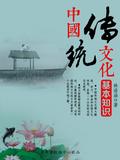 Basic Knowledge of Chinese Traditional Culture
Chinese traditional culture is extensive and profound, and it is the glorious historical mission of every citizen to learn, inherit and carry forward cultural traditions. This book starts from many aspects such as Chinese classics, poetry, calligraphy and painting, music, dance and drama, antique collection, religious beliefs, politics and law, architectural sculptures, science and technology, catering, clothing, etiquette, folk customs, etc. It refers to a large number of authoritative works, s
—Reads9.2Score—Shelves
Basic Knowledge of Chinese Traditional Culture
Chinese traditional culture is extensive and profound, and it is the glorious historical mission of every citizen to learn, inherit and carry forward cultural traditions. This book starts from many aspects such as Chinese classics, poetry, calligraphy and painting, music, dance and drama, antique collection, religious beliefs, politics and law, architectural sculptures, science and technology, catering, clothing, etiquette, folk customs, etc. It refers to a large number of authoritative works, s
—Reads9.2Score—Shelves
-
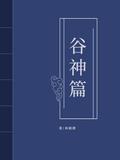 Ceres Chapter
The ancient sage emperors who ruled the world were the first to teach the divine ways silently. Those who have a family in the world will not spread their ways. It ended with Yu, and then scattered among the people outside the country. They all passed it on orally without writing it down. By the Zhou Dynasty, Lao had written five thousand poems. His words were profoundly ancient, and his purpose was mysterious. He was neither divine nor holy. Who can match it? The imperial bandits and Zhuang Zho
—Reads8.8Score—Shelves
Ceres Chapter
The ancient sage emperors who ruled the world were the first to teach the divine ways silently. Those who have a family in the world will not spread their ways. It ended with Yu, and then scattered among the people outside the country. They all passed it on orally without writing it down. By the Zhou Dynasty, Lao had written five thousand poems. His words were profoundly ancient, and his purpose was mysterious. He was neither divine nor holy. Who can match it? The imperial bandits and Zhuang Zho
—Reads8.8Score—Shelves
-
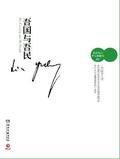 Our Country and Our People
"My Country and My People" (My Country and My People), also known as "The Chinese", is Lin Yutang's famous and representative work in the Western literary world. The book uses a frank and humorous style and wise and accessible language to describe the morality, mental state and aspirations of the Chinese people; as well as Chinese society, literature and art, and life interests. The book provides a wonderful analysis of the Chinese character, soul, ideals, life, politics, society, and art; it al
—Reads9.2Score—Shelves
Our Country and Our People
"My Country and My People" (My Country and My People), also known as "The Chinese", is Lin Yutang's famous and representative work in the Western literary world. The book uses a frank and humorous style and wise and accessible language to describe the morality, mental state and aspirations of the Chinese people; as well as Chinese society, literature and art, and life interests. The book provides a wonderful analysis of the Chinese character, soul, ideals, life, politics, society, and art; it al
—Reads9.2Score—Shelves
-
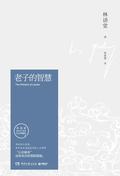 Laozi's Wisdom
Besides Confucianism, Laozi and Zhuangzi opened up a broader path, bringing a more transcendent wisdom to life. Lin Yutang, a master of Chinese and Western Chinese studies, found wisdom in his humor. He "explained the old through Zhuang" like never before, and narrated the unique charm of Lao and Zhuang's thoughts. He put aside the cumbersome exegesis and criticism, used his life experience and life awareness to taste the philosophy of Lao and Zhuang, giving flesh and blood to the originally awk
—Reads8.8Score—Shelves
Laozi's Wisdom
Besides Confucianism, Laozi and Zhuangzi opened up a broader path, bringing a more transcendent wisdom to life. Lin Yutang, a master of Chinese and Western Chinese studies, found wisdom in his humor. He "explained the old through Zhuang" like never before, and narrated the unique charm of Lao and Zhuang's thoughts. He put aside the cumbersome exegesis and criticism, used his life experience and life awareness to taste the philosophy of Lao and Zhuang, giving flesh and blood to the originally awk
—Reads8.8Score—Shelves
-
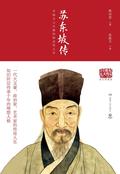 Biography of Su Dongpo
Although Su Dongpo was famous for his articles, his official career was difficult and he was repeatedly persecuted, but he never changed his optimistic nature. He integrated Confucianism, Buddhism, and Taoism throughout his life, and his poetry, prose, Ci, calligraphy, and painting all reached their peak in the Song Dynasty when there were many talented people. He has outstanding political achievements, loves the people like a son, is both literary, political and military. He develops charity an
—Reads9.5Score—Shelves
Biography of Su Dongpo
Although Su Dongpo was famous for his articles, his official career was difficult and he was repeatedly persecuted, but he never changed his optimistic nature. He integrated Confucianism, Buddhism, and Taoism throughout his life, and his poetry, prose, Ci, calligraphy, and painting all reached their peak in the Song Dynasty when there were many talented people. He has outstanding political achievements, loves the people like a son, is both literary, political and military. He develops charity an
—Reads9.5Score—Shelves