Fanqie library
Browse
- Titles
- 19
Every Fanqie book we index, searchable by title, author or tag.
-
 Shikui Is Blind
"The Blind Eye of the Poet" tells the story of the rise of folk poetry rankings twenty years after the imperial examination was canceled for poetry. The mysterious "Shikui" has been undefeated for ten years. The new emperor Zhao Mingchen investigates incognito and is shocked to find that Shikui is a blind old man who never forgets his words. The blind old man asserted that "only blind people can see true poetry", and a confrontation between poetry and governance began. The emperor wanted to revi
—Reads—Score—Shelves
Shikui Is Blind
"The Blind Eye of the Poet" tells the story of the rise of folk poetry rankings twenty years after the imperial examination was canceled for poetry. The mysterious "Shikui" has been undefeated for ten years. The new emperor Zhao Mingchen investigates incognito and is shocked to find that Shikui is a blind old man who never forgets his words. The blind old man asserted that "only blind people can see true poetry", and a confrontation between poetry and governance began. The emperor wanted to revi
—Reads—Score—Shelves
-
 Walking Alone in the Waves
In the Northern Song Dynasty, he was the supervisor of Dushui Supervisory Committee of the Ministry of Industry. In the last years of Yuanyou, the old and new parties fought again, and the court was either one or the other. He was caught in the middle, not attached to the old or the new, but based on river engineering practices. Amidst the turbulent political tide and the more severe autumn floods, he walked alone on a dike as if walking on thin ice.
—Reads—Score—Shelves
Walking Alone in the Waves
In the Northern Song Dynasty, he was the supervisor of Dushui Supervisory Committee of the Ministry of Industry. In the last years of Yuanyou, the old and new parties fought again, and the court was either one or the other. He was caught in the middle, not attached to the old or the new, but based on river engineering practices. Amidst the turbulent political tide and the more severe autumn floods, he walked alone on a dike as if walking on thin ice.
—Reads—Score—Shelves
-
 Blue Fly Cleaning
Su Qinglan, a student from a poor family, went to the capital to take the exam with great ambition. On the day when the list was released, what awaited was not the names on the gold list, but the imprisonment of Zheng Dang, who was implicated in the fraud case. The charges of bribing officials, changing test papers, and perjury locked him up like an iron chain. Faced with a carefully woven web and a series of murders, Su Qinglan, who was imprisoned, could only find an unobservable way to survive
—Reads—Score—Shelves
Blue Fly Cleaning
Su Qinglan, a student from a poor family, went to the capital to take the exam with great ambition. On the day when the list was released, what awaited was not the names on the gold list, but the imprisonment of Zheng Dang, who was implicated in the fraud case. The charges of bribing officials, changing test papers, and perjury locked him up like an iron chain. Faced with a carefully woven web and a series of murders, Su Qinglan, who was imprisoned, could only find an unobservable way to survive
—Reads—Score—Shelves
-
 Ink Scroll Tiangong
It tells the story of Chen Mo, the son of a craftsman, who transcribed tens of thousands of test papers for the imperial examination in ten years. He learned hundreds of schools of knowledge from the ink marks of Chinese characters without any teacher, using the method of a blind man touching an elephant. In the year of the competition, he entered the examination room under the name "Mo Chen" with an article that no one could understand but that contained a thunderous change. The publication of
—Reads—Score—Shelves
Ink Scroll Tiangong
It tells the story of Chen Mo, the son of a craftsman, who transcribed tens of thousands of test papers for the imperial examination in ten years. He learned hundreds of schools of knowledge from the ink marks of Chinese characters without any teacher, using the method of a blind man touching an elephant. In the year of the competition, he entered the examination room under the name "Mo Chen" with an article that no one could understand but that contained a thunderous change. The publication of
—Reads—Score—Shelves
-
 Tribute Bell Secret Scroll
"Secret Volume of Tribute Bells": The copper bell rang for no reason at midnight, and the candidates panicked and heard rumors that the ghost was seeking their lives. The new invigilator Li Mo was secretly suspicious of Dou, and he glimpsed the deep and secret passage under the clock at Longkou Office. Deep in the underground palace, the secret files of the previous dynasty and the ironclad evidence of the current dynasty suddenly appeared. However, the stone door suddenly closed, and the master
—Reads—Score—Shelves
Tribute Bell Secret Scroll
"Secret Volume of Tribute Bells": The copper bell rang for no reason at midnight, and the candidates panicked and heard rumors that the ghost was seeking their lives. The new invigilator Li Mo was secretly suspicious of Dou, and he glimpsed the deep and secret passage under the clock at Longkou Office. Deep in the underground palace, the secret files of the previous dynasty and the ironclad evidence of the current dynasty suddenly appeared. However, the stone door suddenly closed, and the master
—Reads—Score—Shelves
-
 Yongle Secret Scroll
"Yongle Secret Scroll" On the night when he won the first prize in the palace examination, Shen Mo, the new champion, did not even get to parade in red, but the secret words of the previous dynasty were already revealed in his poems. The eight sentences of the palace poem coincide with the eight verses of the "Yongle Dadian", and actually spell out a mysterious map pointing to the Nanjing underground palace. The King of Han suspected him of treason, and the royal guards surrounded the palace at
—Reads—Score—Shelves
Yongle Secret Scroll
"Yongle Secret Scroll" On the night when he won the first prize in the palace examination, Shen Mo, the new champion, did not even get to parade in red, but the secret words of the previous dynasty were already revealed in his poems. The eight sentences of the palace poem coincide with the eight verses of the "Yongle Dadian", and actually spell out a mysterious map pointing to the Nanjing underground palace. The King of Han suspected him of treason, and the royal guards surrounded the palace at
—Reads—Score—Shelves
-
 Ink Marks Left Behind
Ten years after "The Lost Beads with Ink Marks", the imperial court was revising its history, and the Hanlin Academy was surprised to find the folk book "The Collection of Lost Beads". This collection of failed articles that were rejected by the examiners actually records the truth about the "Ji'an Civil War" that was kept secret in the court. When editors and historians follow the ink traces, what awaits them is not only the bloody mystery of ten years ago, but also a life-and-death chess game
—Reads—Score—Shelves
Ink Marks Left Behind
Ten years after "The Lost Beads with Ink Marks", the imperial court was revising its history, and the Hanlin Academy was surprised to find the folk book "The Collection of Lost Beads". This collection of failed articles that were rejected by the examiners actually records the truth about the "Ji'an Civil War" that was kept secret in the court. When editors and historians follow the ink traces, what awaits them is not only the bloody mystery of ten years ago, but also a life-and-death chess game
—Reads—Score—Shelves
-
 Dusty Exam Papers
The new emperor ascended the throne and allowed those who had failed in the examination room for thirty years to re-enter the examination room. White-haired old boys and students flocked to Gongyuan and poured their half-life experience into the examination papers. What the emperor really wanted was a folk record that stripped away the official trappings. The dust-covered sufferings of the people, the truth about taxation, and the long-standing abuses of official administration are unfolded in f
—Reads—Score—Shelves
Dusty Exam Papers
The new emperor ascended the throne and allowed those who had failed in the examination room for thirty years to re-enter the examination room. White-haired old boys and students flocked to Gongyuan and poured their half-life experience into the examination papers. What the emperor really wanted was a folk record that stripped away the official trappings. The dust-covered sufferings of the people, the truth about taxation, and the long-standing abuses of official administration are unfolded in f
—Reads—Score—Shelves
-
 Looking into the Sky
It tells the story of official Su Shenyan who has the unique ability to detect the names of candidates, and can see the real names of candidates in the blurred names. He was supposed to abide by the precepts of his ancestors, but after witnessing the injustice in the examination room, he decided to use himself as a ruler to redefine what should be passed and what should not be passed. As he secretly moved the list, a secret contest with the powerful, eunuchs and the entire imperial examination s
—Reads—Score—Shelves
Looking into the Sky
It tells the story of official Su Shenyan who has the unique ability to detect the names of candidates, and can see the real names of candidates in the blurred names. He was supposed to abide by the precepts of his ancestors, but after witnessing the injustice in the examination room, he decided to use himself as a ruler to redefine what should be passed and what should not be passed. As he secretly moved the list, a secret contest with the powerful, eunuchs and the entire imperial examination s
—Reads—Score—Shelves
-
 I'm Going Crazy with Search Engines
When the new emperor opened the school, he did not examine the classics and their meanings, and he did not examine the memorials. When all the old Confucian scholars in the dynasty were scratching their heads and scratching their heads about "what scriptures were quoted when a certain minister played something in a certain year", only Chen Qing quietly launched the ancestral "Search Engine for Wan Dynasty Memorials". The meaning of the scriptures is in the belly, and the answer lies in the "scre
—Reads—Score—Shelves
I'm Going Crazy with Search Engines
When the new emperor opened the school, he did not examine the classics and their meanings, and he did not examine the memorials. When all the old Confucian scholars in the dynasty were scratching their heads and scratching their heads about "what scriptures were quoted when a certain minister played something in a certain year", only Chen Qing quietly launched the ancestral "Search Engine for Wan Dynasty Memorials". The meaning of the scriptures is in the belly, and the answer lies in the "scre
—Reads—Score—Shelves
-
 Obfuscating Names and Changing Rules
"The Name Is Obscured and the Rules Changed": In the Imperial Examination Hall of the Dasheng Dynasty, the iron rules "three horizontally, three vertically, four" that had been obscured for thirty years were suddenly tampered with by new officials. On the day the results were released, the number of successful candidates increased dramatically, causing shock to both the government and the public. The old officials lamented the collapse of rules, but they did not know that in the confusion, some
—Reads—Score—Shelves
Obfuscating Names and Changing Rules
"The Name Is Obscured and the Rules Changed": In the Imperial Examination Hall of the Dasheng Dynasty, the iron rules "three horizontally, three vertically, four" that had been obscured for thirty years were suddenly tampered with by new officials. On the day the results were released, the number of successful candidates increased dramatically, causing shock to both the government and the public. The old officials lamented the collapse of rules, but they did not know that in the confusion, some
—Reads—Score—Shelves
-
 Traces of Ink
"Ink Traces" tells the story of Lu Wenxiu, a failed imperial examination student. After the results of the imperial examination were released, he discovered that his draft of the test paper had been tampered with, and the handwriting looked exactly like that of his brother who had been missing for ten years. He sneaked into the dark examination hall alone, looking for the traces and truth of his brother in the whirlpool of power struggles and conspiracies. This journey to find relatives graduall
—Reads—Score—Shelves
Traces of Ink
"Ink Traces" tells the story of Lu Wenxiu, a failed imperial examination student. After the results of the imperial examination were released, he discovered that his draft of the test paper had been tampered with, and the handwriting looked exactly like that of his brother who had been missing for ten years. He sneaked into the dark examination hall alone, looking for the traces and truth of his brother in the whirlpool of power struggles and conspiracies. This journey to find relatives graduall
—Reads—Score—Shelves
-
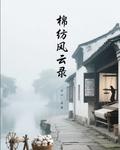 Cotton Spinning Story
During the Jiaqing period of the Qing Dynasty, Zhou Mingde, the son of Suzhou Weaver, was unwilling to be trapped in the loom and traveled through the cotton industry chain with his unique vision. From purchasing cotton yarn to developing the wide cloth market, he witnessed the boom of the cotton industry and was also deeply involved in commercial wars and standards disputes. When the industry ushered in its first hierarchical change, he decided to participate in the formulation of rules from th
—Reads—Score—Shelves
Cotton Spinning Story
During the Jiaqing period of the Qing Dynasty, Zhou Mingde, the son of Suzhou Weaver, was unwilling to be trapped in the loom and traveled through the cotton industry chain with his unique vision. From purchasing cotton yarn to developing the wide cloth market, he witnessed the boom of the cotton industry and was also deeply involved in commercial wars and standards disputes. When the industry ushered in its first hierarchical change, he decided to participate in the formulation of rules from th
—Reads—Score—Shelves
-
 Zhumen Secret Post
"Secret Notes from the Zhumen": Lin Wenxiu, a new scholar in the imperial examinations, pays homage to his master, and becomes suspicious when he sees the plaque "Don't talk about state affairs". When he was led into the secret room late at night, he was shocked to see hundreds of unopened letters of allegiance dating back thirty years. The master entrusted him before his death, telling him that one of the letters was related to the fate of the country and involved the secrets of the royal famil
—Reads—Score—Shelves
Zhumen Secret Post
"Secret Notes from the Zhumen": Lin Wenxiu, a new scholar in the imperial examinations, pays homage to his master, and becomes suspicious when he sees the plaque "Don't talk about state affairs". When he was led into the secret room late at night, he was shocked to see hundreds of unopened letters of allegiance dating back thirty years. The master entrusted him before his death, telling him that one of the letters was related to the fate of the country and involved the secrets of the royal famil
—Reads—Score—Shelves
-
 Farming Contract Spring and Autumn Period
During the Kangxi period, Cheng Shuisheng, a tenant servant in Huizhou, farmed the fields for the Hu family for generations. After Hu Wenqing, the young master of the Hu family, was elected, he wanted to abolish this hereditary contract. However, when Hu Wenqing announced that he would give the Cheng family freedom, Shui Sheng's grandfather Cheng Shuisheng burst into tears. He held the 150-year-old deed tightly and trembled: "Master, the field is our root. How can the Cheng family live without i
—Reads—Score—Shelves
Farming Contract Spring and Autumn Period
During the Kangxi period, Cheng Shuisheng, a tenant servant in Huizhou, farmed the fields for the Hu family for generations. After Hu Wenqing, the young master of the Hu family, was elected, he wanted to abolish this hereditary contract. However, when Hu Wenqing announced that he would give the Cheng family freedom, Shui Sheng's grandfather Cheng Shuisheng burst into tears. He held the 150-year-old deed tightly and trembled: "Master, the field is our root. How can the Cheng family live without i
—Reads—Score—Shelves
-
 Yanhe Tea Cigarette
Synopsis: Faced with the government's new salt introduction policy, tea farmer Cheng Qingshan unites his neighbors to use salt to offset taxes, but is squeezed by profiteer Shen Wanjin. Unwilling to be restrained, he wisely poured more than a thousand kilograms of official salt into the Qingyi River, using the principle that "salt is transformed into water and can be harvested in the sun", and cleverly defended himself when the county magistrate was accountable. However, behind this move, a stru
—Reads—Score—Shelves
Yanhe Tea Cigarette
Synopsis: Faced with the government's new salt introduction policy, tea farmer Cheng Qingshan unites his neighbors to use salt to offset taxes, but is squeezed by profiteer Shen Wanjin. Unwilling to be restrained, he wisely poured more than a thousand kilograms of official salt into the Qingyi River, using the principle that "salt is transformed into water and can be harvested in the sun", and cleverly defended himself when the county magistrate was accountable. However, behind this move, a stru
—Reads—Score—Shelves
-
 Ink Scroll Legacy
"The Ink Scroll Remains" is set in the Jiangnan imperial examination center during the Chongzhen period. Li Molin, a failed scholar, sold his examination papers to bookseller Shen Shu due to embarrassment, and was compiled into the "Remaining Pearl Collection" which contains frustrated articles. From this, he could see that Shen Shu, in the name of collecting articles, was actually preserving concealed folk history. When dynasties changed and the "History of the Ming Dynasty" was compiled by the
—Reads—Score—Shelves
Ink Scroll Legacy
"The Ink Scroll Remains" is set in the Jiangnan imperial examination center during the Chongzhen period. Li Molin, a failed scholar, sold his examination papers to bookseller Shen Shu due to embarrassment, and was compiled into the "Remaining Pearl Collection" which contains frustrated articles. From this, he could see that Shen Shu, in the name of collecting articles, was actually preserving concealed folk history. When dynasties changed and the "History of the Ming Dynasty" was compiled by the
—Reads—Score—Shelves
-
 Ancient Stele Hidden Deed
"The Hidden Deed of the Ancient Stele" tells the story of heavy rains that destroyed the field boundaries, two villages digging up an ancient stele from the Ming Dynasty during a land dispute, and the county magistrate ruled that the land was unclaimed and returned to the official. A hundred-year-old monk appeared suddenly and presented the land deed, revealing the secret inheritance of monks in the ancient temple that has lasted for hundreds of years and the temple fields. An unresolved real es
—Reads—Score—Shelves
Ancient Stele Hidden Deed
"The Hidden Deed of the Ancient Stele" tells the story of heavy rains that destroyed the field boundaries, two villages digging up an ancient stele from the Ming Dynasty during a land dispute, and the county magistrate ruled that the land was unclaimed and returned to the official. A hundred-year-old monk appeared suddenly and presented the land deed, revealing the secret inheritance of monks in the ancient temple that has lasted for hundreds of years and the temple fields. An unresolved real es
—Reads—Score—Shelves
-
 Farming Time Blood Ballad
An old farmer named Lin Shoutian composed and sang "Agricultural Song" to guide farming, but the government misinterpreted "Sowing during the Qingming Festival and transplanting rice during the Grain Rain" as an anti-Qing code, and was imprisoned. Under severe torture, he persisted in his belief that "farmers only know the farming season, but they don't know anything about political affairs." When the son struggled to rescue him and the magistrate was about to interrogate him, this simple ballad
—Reads—Score—Shelves
Farming Time Blood Ballad
An old farmer named Lin Shoutian composed and sang "Agricultural Song" to guide farming, but the government misinterpreted "Sowing during the Qingming Festival and transplanting rice during the Grain Rain" as an anti-Qing code, and was imprisoned. Under severe torture, he persisted in his belief that "farmers only know the farming season, but they don't know anything about political affairs." When the son struggled to rescue him and the magistrate was about to interrogate him, this simple ballad
—Reads—Score—Shelves