Fanqie library
Browse
- Titles
- 23
Every Fanqie book we index, searchable by title, author or tag.
-
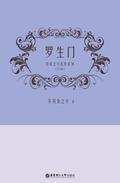 Japanese Literature Masterpiece Series: Rashomon (Japanese Version)
This book is Akutagawa Ryunosuke's true debut novel. In this work, the author stares at the characters with a nihilistic gaze, which reflects the young author's despair about the nature of human nature from one side. This work is also very unique in art. The structure of the article is compact, and a moderate sense of urgency is maintained until the end. The use of style is also well-intentioned to create the best story effect and atmosphere.
38Reads8.1Score—Shelves
Japanese Literature Masterpiece Series: Rashomon (Japanese Version)
This book is Akutagawa Ryunosuke's true debut novel. In this work, the author stares at the characters with a nihilistic gaze, which reflects the young author's despair about the nature of human nature from one side. This work is also very unique in art. The structure of the article is compact, and a moderate sense of urgency is maintained until the end. The use of style is also well-intentioned to create the best story effect and atmosphere.
38Reads8.1Score—Shelves
-
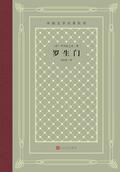 Rashomon (Masterpieces of Foreign Literature Series)
Ryunosuke Akutagawa is one of the main writers of the New Thoughts of the Taisho period in Japan and a giant of short stories. He is known as a genius in Japanese literature. Ryunosuke Akutagawa's achievements are mainly reflected in the creation of his short stories. This book contains more than ten representative works of the author, including his representative short stories "Rashomon", "In the Bamboo Forest", "Hell Pictures", etc., Which fully reflects the author's creative talent.
18Reads8.8Score—Shelves
Rashomon (Masterpieces of Foreign Literature Series)
Ryunosuke Akutagawa is one of the main writers of the New Thoughts of the Taisho period in Japan and a giant of short stories. He is known as a genius in Japanese literature. Ryunosuke Akutagawa's achievements are mainly reflected in the creation of his short stories. This book contains more than ten representative works of the author, including his representative short stories "Rashomon", "In the Bamboo Forest", "Hell Pictures", etc., Which fully reflects the author's creative talent.
18Reads8.8Score—Shelves
-
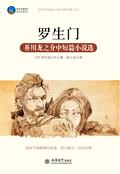 Rashomon: Selected Short Stories by Akutagawa Ryunosuke
"Rashomon (Selected Novels and Short Stories by Akutagawa Ryunosuke)" includes "Hell Change", "Rashomon", "Afu's Chastity", "The Elderly Suzhan Mingzun", "Repaying a Kindness" and many other short and short stories. This book "Rashomon (Selected Novels and Short Stories by Akutagawa Ryunosuke)" selects the standards of his works and strives to comprehensively cover his various styles, combining representativeness with comprehensiveness to make readers' reading experience as rich and colorful as
3Reads8.8Score—Shelves
Rashomon: Selected Short Stories by Akutagawa Ryunosuke
"Rashomon (Selected Novels and Short Stories by Akutagawa Ryunosuke)" includes "Hell Change", "Rashomon", "Afu's Chastity", "The Elderly Suzhan Mingzun", "Repaying a Kindness" and many other short and short stories. This book "Rashomon (Selected Novels and Short Stories by Akutagawa Ryunosuke)" selects the standards of his works and strives to comprehensively cover his various styles, combining representativeness with comprehensiveness to make readers' reading experience as rich and colorful as
3Reads8.8Score—Shelves
-
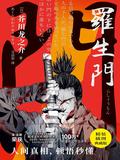 Purple Picture Classic Library: Akutagawa Ryunosuke·rashomon
Ryunosuke Akutagawa wrote classic novels such as "In the Bamboo Grove", "Rashomon", "Hell Change" and "Kappa" in extremely concise lengths and cold language, analyzing the depth of human nature to a level that no one before has reached. In particular, he revealed the "Rashomon Effect" that exists regularly in society, contains profound wisdom, and has become an essential ideological tool for scholars to analyze social phenomena. Akutagawa's greatness is not limited to creating the charm of the s
3Reads8.7Score—Shelves
Purple Picture Classic Library: Akutagawa Ryunosuke·rashomon
Ryunosuke Akutagawa wrote classic novels such as "In the Bamboo Grove", "Rashomon", "Hell Change" and "Kappa" in extremely concise lengths and cold language, analyzing the depth of human nature to a level that no one before has reached. In particular, he revealed the "Rashomon Effect" that exists regularly in society, contains profound wisdom, and has become an essential ideological tool for scholars to analyze social phenomena. Akutagawa's greatness is not limited to creating the charm of the s
3Reads8.7Score—Shelves
-
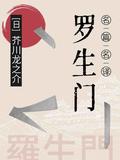 Translation of Famous Novel: Rashomon
A short story written by Japanese writer Akutagawa Ryunosuke in 1915. The plot is based on the Japanese classic story collection "The Story of the Past". The work tells the story of a slave under the Rashomon Gate who was waiting for the rain to stop during the twilight period. When he was at a loss as to whether his life or death was hanging by a thread, he encountered an old woman who made a living by pulling out the hair of dead people. The desperate slave became evil and determined to abando
3Reads8.3Score—Shelves
Translation of Famous Novel: Rashomon
A short story written by Japanese writer Akutagawa Ryunosuke in 1915. The plot is based on the Japanese classic story collection "The Story of the Past". The work tells the story of a slave under the Rashomon Gate who was waiting for the rain to stop during the twilight period. When he was at a loss as to whether his life or death was hanging by a thread, he encountered an old woman who made a living by pulling out the hair of dead people. The desperate slave became evil and determined to abando
3Reads8.3Score—Shelves
-
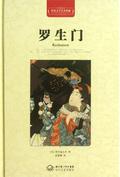 Rashomon
"Rashomon" collects Akutagawa's short stories and short stories. Akutagawa is good at using weatherproof layouts in his novels to push people to the limit of life and death choices, thereby demonstrating the inescapability of "evil" and conveying the author's understanding of people, his helplessness and despair towards people.
3Reads8.3Score—Shelves
Rashomon
"Rashomon" collects Akutagawa's short stories and short stories. Akutagawa is good at using weatherproof layouts in his novels to push people to the limit of life and death choices, thereby demonstrating the inescapability of "evil" and conveying the author's understanding of people, his helplessness and despair towards people.
3Reads8.3Score—Shelves
-
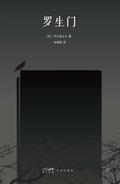 Rashomon (Chuangmei Bunko)
"Rashomon" includes 13 novels by Akutagawa Ryunosuke, including "Rashomon", "In the Bamboo Forest", "Hell Transformation" and "The Nose". Among them, "Rashomon" uses a weather-proof layout to push people to the limit of life and death choices, thereby demonstrating the inescapability of "evil" and conveying the author's understanding of people, their helplessness and despair. Although it is short, the plot is simple, and the characters are sparse, the time, place, characters, and ending are all
1Reads7.6Score—Shelves
Rashomon (Chuangmei Bunko)
"Rashomon" includes 13 novels by Akutagawa Ryunosuke, including "Rashomon", "In the Bamboo Forest", "Hell Transformation" and "The Nose". Among them, "Rashomon" uses a weather-proof layout to push people to the limit of life and death choices, thereby demonstrating the inescapability of "evil" and conveying the author's understanding of people, their helplessness and despair. Although it is short, the plot is simple, and the characters are sparse, the time, place, characters, and ending are all
1Reads7.6Score—Shelves
-
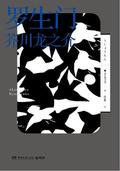 Rashomon
Ryunosuke Akutagawa, who is known as a "ghost genius", has the highest achievement in literary creation in short stories. This book contains 24 novels such as "Rashomon", which is a profound exploration of human nature, "The Nose", a masterpiece highly praised by Natsume Soseki, and "Spider's Thread", which describes heaven and hell in just a thought. They are all well-known classics. His short stories are sad yet sarcastic, serious yet humorous, and are widely loved by readers all over the worl
—Reads8.6Score—Shelves
Rashomon
Ryunosuke Akutagawa, who is known as a "ghost genius", has the highest achievement in literary creation in short stories. This book contains 24 novels such as "Rashomon", which is a profound exploration of human nature, "The Nose", a masterpiece highly praised by Natsume Soseki, and "Spider's Thread", which describes heaven and hell in just a thought. They are all well-known classics. His short stories are sad yet sarcastic, serious yet humorous, and are widely loved by readers all over the worl
—Reads8.6Score—Shelves
-
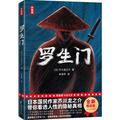 Writer's List: Rashomon
Ryunosuke Akutagawa is a genius of Japanese short stories. The "Akutagawa Prize", the highest award for pure literature in Japan, is named after him. He is a "national writer" in the eyes of Haruki Murakami. Osamu Dazai obsessively wrote his name repeatedly in his notebooks, and Lu Xun translated his works into Chinese. This book selects 17 popular classic novels of Akutagawa Ryunosuke, including "Rashomon", "Tangerine", "Kanosho", "Mori Sensei" and "Abai". One evening during the Great Famine, a
—Reads8.6Score—Shelves
Writer's List: Rashomon
Ryunosuke Akutagawa is a genius of Japanese short stories. The "Akutagawa Prize", the highest award for pure literature in Japan, is named after him. He is a "national writer" in the eyes of Haruki Murakami. Osamu Dazai obsessively wrote his name repeatedly in his notebooks, and Lu Xun translated his works into Chinese. This book selects 17 popular classic novels of Akutagawa Ryunosuke, including "Rashomon", "Tangerine", "Kanosho", "Mori Sensei" and "Abai". One evening during the Great Famine, a
—Reads8.6Score—Shelves
-
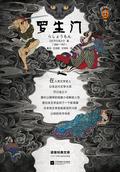 Rashomon
The human nature that you have struggled to see clearly all your life is finally revealed in "Rashomon"! This book selects 18 short stories by Ryunosuke Akutagawa, including well-known masterpieces such as "Rashomon", "The Nose" and "Hell Transformation". "Rashomon" As for me, I don't think what this woman did was evil. If you don't do it, you will starve to death. You just have to do it if you have no other choice. "Nose" "In this case, no one will laugh anymore." Let the long nose dangle in th
—Reads8.4Score—Shelves
Rashomon
The human nature that you have struggled to see clearly all your life is finally revealed in "Rashomon"! This book selects 18 short stories by Ryunosuke Akutagawa, including well-known masterpieces such as "Rashomon", "The Nose" and "Hell Transformation". "Rashomon" As for me, I don't think what this woman did was evil. If you don't do it, you will starve to death. You just have to do it if you have no other choice. "Nose" "In this case, no one will laugh anymore." Let the long nose dangle in th
—Reads8.4Score—Shelves
-
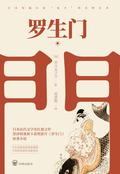 Rashomon
The masterpiece of Japanese short story "genius" Ryunosuke Akutagawa, and the original novel of Akira Kurosawa's Oscar-winning film "Rashomon". Akutagawa literature research expert and translator Gao Hui diligently translated and proofread the book, making it readable and durable. Lu Xun, Osamu Dazai, Haruki Murakami and many other famous figures unanimously praised it.
—Reads8.5Score—Shelves
Rashomon
The masterpiece of Japanese short story "genius" Ryunosuke Akutagawa, and the original novel of Akira Kurosawa's Oscar-winning film "Rashomon". Akutagawa literature research expert and translator Gao Hui diligently translated and proofread the book, making it readable and durable. Lu Xun, Osamu Dazai, Haruki Murakami and many other famous figures unanimously praised it.
—Reads8.5Score—Shelves
-
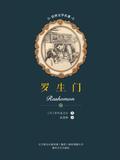 World Literature Masterpiece-Rashomon
In the dark places of human nature, breathtaking beauty is discovered. A "ghost" in the history of Japanese literature and a giant of short stories. This book contains a total of 26 Akutagawa's representative works of fiction and prose. "Rashomon" uses a weather-proof layout to push people to the limit of life and death choices, thereby showing the inescapability of "evil" and conveying the author's understanding of people, his helplessness and despair.
—Reads9.0Score—Shelves
World Literature Masterpiece-Rashomon
In the dark places of human nature, breathtaking beauty is discovered. A "ghost" in the history of Japanese literature and a giant of short stories. This book contains a total of 26 Akutagawa's representative works of fiction and prose. "Rashomon" uses a weather-proof layout to push people to the limit of life and death choices, thereby showing the inescapability of "evil" and conveying the author's understanding of people, his helplessness and despair.
—Reads9.0Score—Shelves
-
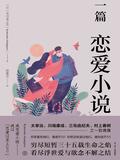 A Romance Novel
As an unprecedented short story writer in Japan, most of Akutagawa's works included in "A Love Story" are short stories, with only "Theft" being a novella. In order to show the development of the writer's views on love, marriage, and women, this book attempts to arrange it in a time context and select 14 love-themed short stories from Akutagawa's more than 140 novels. Among them, "Adventures" and "Epilogue Letter" are placed at the beginning of the volume, allowing readers to appreciate Akutagaw
—Reads9.4Score—Shelves
A Romance Novel
As an unprecedented short story writer in Japan, most of Akutagawa's works included in "A Love Story" are short stories, with only "Theft" being a novella. In order to show the development of the writer's views on love, marriage, and women, this book attempts to arrange it in a time context and select 14 love-themed short stories from Akutagawa's more than 140 novels. Among them, "Adventures" and "Epilogue Letter" are placed at the beginning of the volume, allowing readers to appreciate Akutagaw
—Reads9.4Score—Shelves
-
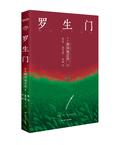 Classic Japanese Literature: Rashomon
This book contains the original texts of Akutagawa Ryunosuke's representative works translated by Lu Xun and Xia Zun, such as "Rashomon", "Nose" and "Autumn", and also adds the classic works of Akutagawa Ryunosuke, such as "In the Jungle" and "Kappa", translated by contemporary young translator Song Gang. Ryunosuke Akutagawa's short stories are short in length, with novel materials and novel and even weird plots. The works pay attention to social ugly phenomena, but rarely directly comment on th
—Reads8.8Score—Shelves
Classic Japanese Literature: Rashomon
This book contains the original texts of Akutagawa Ryunosuke's representative works translated by Lu Xun and Xia Zun, such as "Rashomon", "Nose" and "Autumn", and also adds the classic works of Akutagawa Ryunosuke, such as "In the Jungle" and "Kappa", translated by contemporary young translator Song Gang. Ryunosuke Akutagawa's short stories are short in length, with novel materials and novel and even weird plots. The works pay attention to social ugly phenomena, but rarely directly comment on th
—Reads8.8Score—Shelves
-
 One Word Tells a Thousand Lies: Prophet, You Lied
In a world where everyone lives by lies, telling the truth is the biggest taboo. Su Xie, an orphan girl from the border town "Fountain of Honesty", is born unable to lie. Every word she says carries truth that is irrefutable, but it also becomes the most dangerous weapon - some people want to use her, some want to destroy her. When Bai Jin, the top weaver of the Lie Sect, came to the town with lies, Su Xie's peaceful life was completely torn apart. The exploration teams, the prophecies, the mi
—Reads—Score—Shelves
One Word Tells a Thousand Lies: Prophet, You Lied
In a world where everyone lives by lies, telling the truth is the biggest taboo. Su Xie, an orphan girl from the border town "Fountain of Honesty", is born unable to lie. Every word she says carries truth that is irrefutable, but it also becomes the most dangerous weapon - some people want to use her, some want to destroy her. When Bai Jin, the top weaver of the Lie Sect, came to the town with lies, Su Xie's peaceful life was completely torn apart. The exploration teams, the prophecies, the mi
—Reads—Score—Shelves
-
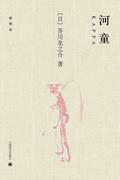 Kappa
This book contains a total of 6 short stories by Akutagawa. "Kappa" tells the story of the Kappa Kingdom through the autobiography of patient No. 23 In the mental hospital, which is both contrary to and similar to human society. Although it is a fictional world, the clever satire and sharp criticism throughout the novel point to reality. On the contrary, it depicts the true and essential side of Japanese society in the 1920s more accurately and vividly than many realist works of the time. In the
—Reads9.3Score—Shelves
Kappa
This book contains a total of 6 short stories by Akutagawa. "Kappa" tells the story of the Kappa Kingdom through the autobiography of patient No. 23 In the mental hospital, which is both contrary to and similar to human society. Although it is a fictional world, the clever satire and sharp criticism throughout the novel point to reality. On the contrary, it depicts the true and essential side of Japanese society in the 1920s more accurately and vividly than many realist works of the time. In the
—Reads9.3Score—Shelves
-
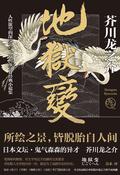 Hell Changes
"Hell Change" contains a total of seventeen short stories and short stories by the Japanese literary giant Akutagawa Ryunosuke. Among them, "Hell Transformation" and "The Nose" are representative, starting from a unique narrative perspective and narrative structure, they grimly observed the Japanese social psychology of that time where "others are hell". This abnormal individual psychology gradually evolved into a habitual social psychology, which is thought-provoking. In addition, works represe
—Reads8.7Score—Shelves
Hell Changes
"Hell Change" contains a total of seventeen short stories and short stories by the Japanese literary giant Akutagawa Ryunosuke. Among them, "Hell Transformation" and "The Nose" are representative, starting from a unique narrative perspective and narrative structure, they grimly observed the Japanese social psychology of that time where "others are hell". This abnormal individual psychology gradually evolved into a habitual social psychology, which is thought-provoking. In addition, works represe
—Reads8.7Score—Shelves
-
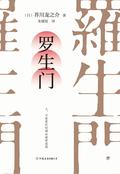 Rashomon
"Rashomon" includes 15 novels by Akutagawa Ryunosuke, including "Rashomon", "In the Bamboo Forest", "Hell Transformation" and "The Nose". Among them, "Rashomon" uses a weather-proof layout to push people to the limit of life and death choices, thereby demonstrating the inescapability of "evil" and conveying the author's understanding of people, their helplessness and despair. Although it is short, the plot is simple, and the characters are sparse, the time, place, characters, and ending are all
—Reads8.8Score—Shelves
Rashomon
"Rashomon" includes 15 novels by Akutagawa Ryunosuke, including "Rashomon", "In the Bamboo Forest", "Hell Transformation" and "The Nose". Among them, "Rashomon" uses a weather-proof layout to push people to the limit of life and death choices, thereby demonstrating the inescapability of "evil" and conveying the author's understanding of people, their helplessness and despair. Although it is short, the plot is simple, and the characters are sparse, the time, place, characters, and ending are all
—Reads8.8Score—Shelves
-
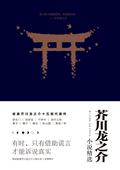 Selected Novels by Ryunosuke Akutagawa
"Selected Novels of Akutagawa Ryunosuke" includes 15 novels by Akutagawa Ryunosuke, including "Rashomon", "In the Bamboo Forest", "Hell Transformation" and "The Nose". Among them, "Rashomon" uses a weather-proof layout to push people to the limit of life and death choices, thereby demonstrating the inescapability of "evil" and conveying the author's understanding of people, their helplessness and despair. Although it is short, the plot is simple, and the characters are sparse, the time, place, c
—Reads9.2Score—Shelves
Selected Novels by Ryunosuke Akutagawa
"Selected Novels of Akutagawa Ryunosuke" includes 15 novels by Akutagawa Ryunosuke, including "Rashomon", "In the Bamboo Forest", "Hell Transformation" and "The Nose". Among them, "Rashomon" uses a weather-proof layout to push people to the limit of life and death choices, thereby demonstrating the inescapability of "evil" and conveying the author's understanding of people, their helplessness and despair. Although it is short, the plot is simple, and the characters are sparse, the time, place, c
—Reads9.2Score—Shelves
-
 Ryunosuke Akutagawa Travels Through the Main World
A short article about Akutagawa. There may be some mustard If Akutagawa turns into a young Akutagawa (End) Detective Akutagawa (End) Sister Akutagawa (End) Mermaid Akutagawa (End) Writer Akutagawa (End) Tianshi Akutagawa (End) Band Akutagawa (End) Bat Akutagawa (End) Red Akutagawa (End) Hound Akutagawa (End) The Transcendent Akutagawa (End) The very popular Akutagawa (End) The Tasty Akutagawa (End) Cthulhu Akutagawa (End) Miracle Akutagawa Online Dress Up (End) …………
—Reads6.7Score—Shelves
Ryunosuke Akutagawa Travels Through the Main World
A short article about Akutagawa. There may be some mustard If Akutagawa turns into a young Akutagawa (End) Detective Akutagawa (End) Sister Akutagawa (End) Mermaid Akutagawa (End) Writer Akutagawa (End) Tianshi Akutagawa (End) Band Akutagawa (End) Bat Akutagawa (End) Red Akutagawa (End) Hound Akutagawa (End) The Transcendent Akutagawa (End) The very popular Akutagawa (End) The Tasty Akutagawa (End) Cthulhu Akutagawa (End) Miracle Akutagawa Online Dress Up (End) …………
—Reads6.7Score—Shelves
-
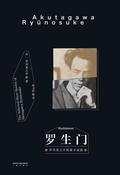 Rashomon: Selected Short Stories by Akutagawa Ryunosuke
This book selects 28 short stories by Ryunosuke Akutagawa, including the most well-known classics such as "Rashomon", "In the Bamboo Forest", "Hell Transformation" and "Kappa", as well as rare domestic translations such as "The Hero's Tool", "Christ of Nanjing", "Notes of a Silk Girl" and "Kanoye". It completely covers Akutagawa Ryunosuke's talented early period, the middle period that combines ancient and modern times, and the late masterpiece of painful confession, striving to show Akutagawa's
—Reads9.4Score—Shelves
Rashomon: Selected Short Stories by Akutagawa Ryunosuke
This book selects 28 short stories by Ryunosuke Akutagawa, including the most well-known classics such as "Rashomon", "In the Bamboo Forest", "Hell Transformation" and "Kappa", as well as rare domestic translations such as "The Hero's Tool", "Christ of Nanjing", "Notes of a Silk Girl" and "Kanoye". It completely covers Akutagawa Ryunosuke's talented early period, the middle period that combines ancient and modern times, and the late masterpiece of painful confession, striving to show Akutagawa's
—Reads9.4Score—Shelves
-
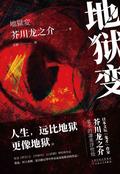 Hell Changes
This book contains a total of eleven short stories by Ryunosuke Akutagawa. It is a collection of Ryunosuke Akutagawa's representative works from different periods. It profoundly shows the game between human nature and desire, the choice of good and evil, and the helplessness of life. Among them, "Hell Transformation" tells the story of a highly skilled painter, Yoshihide, who, in order to pursue the highest realm of art, cruelly sacrificed his daughter to complete a "Hell Transformation" screen
—Reads9.4Score—Shelves
Hell Changes
This book contains a total of eleven short stories by Ryunosuke Akutagawa. It is a collection of Ryunosuke Akutagawa's representative works from different periods. It profoundly shows the game between human nature and desire, the choice of good and evil, and the helplessness of life. Among them, "Hell Transformation" tells the story of a highly skilled painter, Yoshihide, who, in order to pursue the highest realm of art, cruelly sacrificed his daughter to complete a "Hell Transformation" screen
—Reads9.4Score—Shelves
-
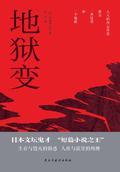 Hell Changes
This book contains a total of 11 short stories by Ryunosuke Akutagawa. The works represented by "Hell Transformation" express the life tragedy of a lonely person "art for art's sake". To achieve the ideal of "art supremacy" through self-destruction, behind this heavy price is the painful roar of a lonely soul. Starting from a unique narrative perspective and narrative structure, the author sternly observed the Japanese social psychology of that time where "others are hell". This abnormal individ
—Reads8.7Score—Shelves
Hell Changes
This book contains a total of 11 short stories by Ryunosuke Akutagawa. The works represented by "Hell Transformation" express the life tragedy of a lonely person "art for art's sake". To achieve the ideal of "art supremacy" through self-destruction, behind this heavy price is the painful roar of a lonely soul. Starting from a unique narrative perspective and narrative structure, the author sternly observed the Japanese social psychology of that time where "others are hell". This abnormal individ
—Reads8.7Score—Shelves