Fanqie library
Browse
- Titles
- 14
Every Fanqie book we index, searchable by title, author or tag.
-
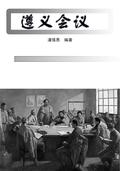 Zunyi Conference
The contents of this book include the great rest in Zunyi City, He Zizhen's affectionate relationship, the Loyalty Alliance before the meeting, Chairman Mao's return to power, Chiang Kai-shek's deployment of heavy troops, the Red Army's first crossing of the Chishui River, the inevitable handover of power to Bogu, the second crossing of Chishui River back to northern Guizhou, the outflanking and roundabout occupation of Zunyi, the urgent preparations of the Kuomintang and the Communist Party for
1.4kReads9.4Score243Shelves
Zunyi Conference
The contents of this book include the great rest in Zunyi City, He Zizhen's affectionate relationship, the Loyalty Alliance before the meeting, Chairman Mao's return to power, Chiang Kai-shek's deployment of heavy troops, the Red Army's first crossing of the Chishui River, the inevitable handover of power to Bogu, the second crossing of Chishui River back to northern Guizhou, the outflanking and roundabout occupation of Zunyi, the urgent preparations of the Kuomintang and the Communist Party for
1.4kReads9.4Score243Shelves
-
 Volume 24 Uprising Before the Formation
A cooked duck can fly. What a weird thing! Bai Chongxi changed his mind overnight and was unpredictable. Chiang Kai-shek had no choice but to arrest Du Yuming again, and the withdrawal of troops from Xuzhou became the "Marshall Plan". Do you think you can still get rid of it if you keep doing it this way?
23Reads9.2Score—Shelves
Volume 24 Uprising Before the Formation
A cooked duck can fly. What a weird thing! Bai Chongxi changed his mind overnight and was unpredictable. Chiang Kai-shek had no choice but to arrest Du Yuming again, and the withdrawal of troops from Xuzhou became the "Marshall Plan". Do you think you can still get rid of it if you keep doing it this way?
23Reads9.2Score—Shelves
-
 Great Victory at Pingxingguan
The Great Victory at Pingxingguan refers to the battle in which the 115th Division of the Eighth Route Army ambushed the 21st Brigade of the Japanese 5th Division near Pingxingguan on September 25, 1937 during the Anti-Japanese War and wiped out more than 1,000 people. This was the first complete victory achieved by China since the beginning of the war between China and Japan. This victory broke the myth that the Japanese army was invincible, inspired the hearts of the country, and strengthened
—Reads9.5Score—Shelves
Great Victory at Pingxingguan
The Great Victory at Pingxingguan refers to the battle in which the 115th Division of the Eighth Route Army ambushed the 21st Brigade of the Japanese 5th Division near Pingxingguan on September 25, 1937 during the Anti-Japanese War and wiped out more than 1,000 people. This was the first complete victory achieved by China since the beginning of the war between China and Japan. This victory broke the myth that the Japanese army was invincible, inspired the hearts of the country, and strengthened
—Reads9.5Score—Shelves
-
 Romance of Modern Chinese History: the Northern Expedition
The content of this book includes the establishment of county yamen with a lever, the destiny of being called Dai Li, leaving home and running to Guangzhou, being admitted to the sixth phase of Huangpu, showing talents in the secret investigation team, playing dragon lanterns in Guilin during the Jiazi period, Lu Rongting and Li Zongren turning the tide after a complete defeat, etc.
—Reads8.4Score—Shelves
Romance of Modern Chinese History: the Northern Expedition
The content of this book includes the establishment of county yamen with a lever, the destiny of being called Dai Li, leaving home and running to Guangzhou, being admitted to the sixth phase of Huangpu, showing talents in the secret investigation team, playing dragon lanterns in Guilin during the Jiazi period, Lu Rongting and Li Zongren turning the tide after a complete defeat, etc.
—Reads8.4Score—Shelves
-
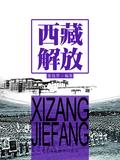 Tibet Liberation
On May 23, 1951, the plenipotentiary representatives of the Central People's Government and the plenipotentiary representatives of the Tibetan local government signed the "Agreement between the Central People's Government and the Tibetan Local Government on Measures for the Peaceful Liberation of Tibet" (referred to as the "Seventeen-Article Agreement") in Beijing, declaring the peaceful liberation of Tibet.
—Reads9.5Score—Shelves
Tibet Liberation
On May 23, 1951, the plenipotentiary representatives of the Central People's Government and the plenipotentiary representatives of the Tibetan local government signed the "Agreement between the Central People's Government and the Tibetan Local Government on Measures for the Peaceful Liberation of Tibet" (referred to as the "Seventeen-Article Agreement") in Beijing, declaring the peaceful liberation of Tibet.
—Reads9.5Score—Shelves
-
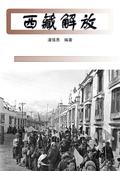 Tibet Liberation
The contents of this book include the dispute when danger is imminent, Liu Wenhui's visit to the Hongmen Banquet, repeated remonstrances to no avail, the long love between Hu Zongnan's children, Hu Zongnan's role as a scapegoat, the operations of Longxing Temple headquarters, Chiang Kai-shek's farewell to the mainland, the pre-war military conference, Han Chenglie's blessing in disguise, the fleet that could not be returned, fighting alone without backup, Fan Wenxiu's tragic hero, the warrior's
—Reads8.4Score—Shelves
Tibet Liberation
The contents of this book include the dispute when danger is imminent, Liu Wenhui's visit to the Hongmen Banquet, repeated remonstrances to no avail, the long love between Hu Zongnan's children, Hu Zongnan's role as a scapegoat, the operations of Longxing Temple headquarters, Chiang Kai-shek's farewell to the mainland, the pre-war military conference, Han Chenglie's blessing in disguise, the fleet that could not be returned, fighting alone without backup, Fan Wenxiu's tragic hero, the warrior's
—Reads8.4Score—Shelves
-
 Volume 28: Liberation of Tibet
The content of this book includes the disputes when danger is imminent, Liu Wenhui's visit to the Hongmen Banquet, repeated remonstrances to no avail, the long love between Hu Zongnan's children, Hu Zongnan's role as a scapegoat, the operation of the Longxing Temple headquarters, Chiang Kai-shek's farewell to the mainland, The military meeting before the war, Han Chenglie's blessing in disguise, the unreturnable fleet, fighting alone without backup, Fan Wenxiu's tragic hero, the hero's bloody Ki
—Reads9.1Score—Shelves
Volume 28: Liberation of Tibet
The content of this book includes the disputes when danger is imminent, Liu Wenhui's visit to the Hongmen Banquet, repeated remonstrances to no avail, the long love between Hu Zongnan's children, Hu Zongnan's role as a scapegoat, the operation of the Longxing Temple headquarters, Chiang Kai-shek's farewell to the mainland, The military meeting before the war, Han Chenglie's blessing in disguise, the unreturnable fleet, fighting alone without backup, Fan Wenxiu's tragic hero, the hero's bloody Ki
—Reads9.1Score—Shelves
-
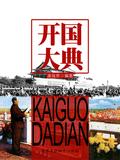 Founding Ceremony
The founding ceremony of the People's Republic of China was the founding ceremony of the Central People's Government of the People's Republic of China held grandly in Tiananmen Square in Beijing on October 1, 1949. The Chairman, Vice Chairman and members of the Central People's Government took their seats, and the band played the national anthem "March of the Volunteers". Chairman Mao Zedong announced: "The Central People's Government of the People's Republic of China has been established today.
—Reads9.6Score—Shelves
Founding Ceremony
The founding ceremony of the People's Republic of China was the founding ceremony of the Central People's Government of the People's Republic of China held grandly in Tiananmen Square in Beijing on October 1, 1949. The Chairman, Vice Chairman and members of the Central People's Government took their seats, and the band played the national anthem "March of the Volunteers". Chairman Mao Zedong announced: "The Central People's Government of the People's Republic of China has been established today.
—Reads9.6Score—Shelves
-
 Capture Jinzhou
The Jinzhou Campaign was the first stage of the Liaoshen Campaign in October 1948. The main force of the Northeast Field Army of the People's Liberation Army fought against the Kuomintang troops defending Jinzhou, Liaoning Province. It was one of the decisive battles in Northeast China and an integral part of the Liaoshen Campaign. Follow this book and visit the scene of the Jinzhou Campaign in person!
—Reads9.5Score—Shelves
Capture Jinzhou
The Jinzhou Campaign was the first stage of the Liaoshen Campaign in October 1948. The main force of the Northeast Field Army of the People's Liberation Army fought against the Kuomintang troops defending Jinzhou, Liaoning Province. It was one of the decisive battles in Northeast China and an integral part of the Liaoshen Campaign. Follow this book and visit the scene of the Jinzhou Campaign in person!
—Reads9.5Score—Shelves
-
 Romance of Modern Chinese History: Chiang Kai-Shek Chose Civil War
The contents of this book include the unhappy ending of the Hongmen Banquet, Hurley's return to China and his demotion, Marshall's appointment in times of danger, the mediation between the two parties to reach an agreement, the one who receives favors will conquer the world, Marshall's trip to Yan'an, Returning to the country with worries, seizing the Northeast and reigniting the war, the situation is difficult to deal with, Bai Chongxi labors in the Northeast, the chairman and his wife congratu
—Reads8.8Score—Shelves
Romance of Modern Chinese History: Chiang Kai-Shek Chose Civil War
The contents of this book include the unhappy ending of the Hongmen Banquet, Hurley's return to China and his demotion, Marshall's appointment in times of danger, the mediation between the two parties to reach an agreement, the one who receives favors will conquer the world, Marshall's trip to Yan'an, Returning to the country with worries, seizing the Northeast and reigniting the war, the situation is difficult to deal with, Bai Chongxi labors in the Northeast, the chairman and his wife congratu
—Reads8.8Score—Shelves
-
 Chiang Kai-Shek Chose Civil War
After the victory of the Anti-Japanese War, in order to strive for peace and avoid civil war, with the persistence and struggle of the Communist Party of China, the Kuomintang and the Communist Party formally signed an armistice agreement on January 10, 1946. The Chinese Communist Party strictly implemented this agreement, but the Kuomintang showed no sincerity in the armistice. When the armistice order was issued, it continued to mobilize troops to attack the liberated areas. After Chiang Kai-s
—Reads9.5Score—Shelves
Chiang Kai-Shek Chose Civil War
After the victory of the Anti-Japanese War, in order to strive for peace and avoid civil war, with the persistence and struggle of the Communist Party of China, the Kuomintang and the Communist Party formally signed an armistice agreement on January 10, 1946. The Chinese Communist Party strictly implemented this agreement, but the Kuomintang showed no sincerity in the armistice. When the armistice order was issued, it continued to mobilize troops to attack the liberated areas. After Chiang Kai-s
—Reads9.5Score—Shelves
-
 Zhang Zizhong Died for His Country
Zhang Zizhong (1891.8.11-1940.5.16), Courtesy name Xinchen, Han nationality, was born in Tangyuan Village, Linqing, Shandong Province. He died for his country as a general in the Republic of China with the rank of Army Lieutenant General. After his death, he was posthumously awarded the rank of Second Class Army General. He was also the highest-ranking general of the Allied Powers who died in World War II.
—Reads9.3Score—Shelves
Zhang Zizhong Died for His Country
Zhang Zizhong (1891.8.11-1940.5.16), Courtesy name Xinchen, Han nationality, was born in Tangyuan Village, Linqing, Shandong Province. He died for his country as a general in the Republic of China with the rank of Army Lieutenant General. After his death, he was posthumously awarded the rank of Second Class Army General. He was also the highest-ranking general of the Allied Powers who died in World War II.
—Reads9.3Score—Shelves
-
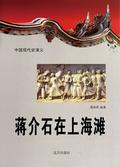 Chiang Kai-Shek on the Beach in Shanghai
The contents of this book include the two-faced factions of the Qin Dynasty and the late Chu Dynasty, the Lushun Uprising shook Sichuan, two kitchen knives started a revolution, intending to follow Sun Yat-sen, beginning to understand the Communist Party, choosing a new path at the historical juncture, the poor and the poor, replacing the old with the new and inserting the door upside down, cheating on the Pan Theater, God-given opportunities to make a fortune, there is a brave man under a heavy
—Reads7.8Score—Shelves
Chiang Kai-Shek on the Beach in Shanghai
The contents of this book include the two-faced factions of the Qin Dynasty and the late Chu Dynasty, the Lushun Uprising shook Sichuan, two kitchen knives started a revolution, intending to follow Sun Yat-sen, beginning to understand the Communist Party, choosing a new path at the historical juncture, the poor and the poor, replacing the old with the new and inserting the door upside down, cheating on the Pan Theater, God-given opportunities to make a fortune, there is a brave man under a heavy
—Reads7.8Score—Shelves
-
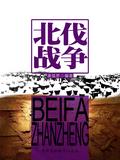 Northern Expedition
The Northern Expedition of the National Revolutionary Army was a unification war launched by the National Government under the leadership of the Chinese Kuomintang with the National Revolutionary Army as the main force from 1926 to 1927. Because the war process was carried out from south to north, it was often referred to as the "Northern Expedition" or the "Northern Expedition".
—Reads9.5Score—Shelves
Northern Expedition
The Northern Expedition of the National Revolutionary Army was a unification war launched by the National Government under the leadership of the Chinese Kuomintang with the National Revolutionary Army as the main force from 1926 to 1927. Because the war process was carried out from south to north, it was often referred to as the "Northern Expedition" or the "Northern Expedition".
—Reads9.5Score—Shelves