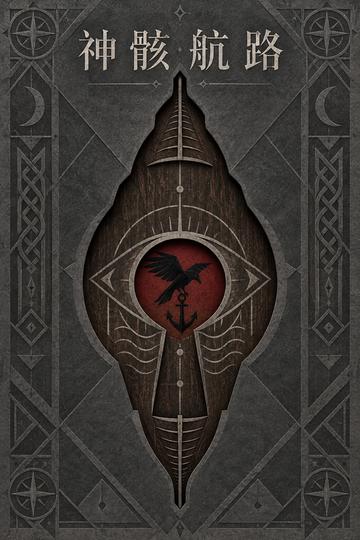
Set in the late ninth century, during the Viking age, this story blends Celtic mythology with Druidism.
Harald only wants to build his own ship and escape the labor camp. But the shipowner confiscates the lumber he had secretly saved, tears up the promise to buy his freedom, and places a curse of decay on his right arm. To survive, the shipwright sails into a man-eating tidal marsh with an escaped monk who is wanted for a bounty, a blind navigator with motives of his own, and a berserker determined to find a dignified death. Legend says a spring in the gods' watery palace can lift the curse. But when Harald gets inside, he discovers a divine tree that cannot sink as well. The spring can save his life, and the tree can be used to build a ship. From then on, while others raid monasteries, Harald starts raiding the gods. Wood that cannot sink, treasures that control the currents, a colossal anchor that maintains the sea route between two worlds... With a band of desperate men, each harboring their own schemes, he loads the stolen divine relics onto his longship one by one, and adds his own name to the bounty lists of the lords and old gods. He still doesn't know that the things he has taken apart are what keep the gods alive. His ship grows stronger and stronger. The gods, deprived of their offerings, grow hungrier and hungrier.