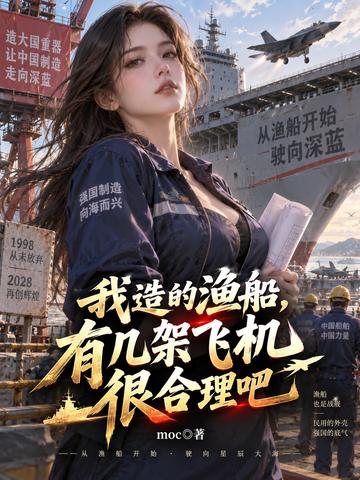
In 1998, the Asian financial crisis swept across the region. Orders at the state-owned Red Star Shipyard plunged, weeds overran the slipways, and three thousand workers were close to losing even their wages. Chief Engineer Jiang Chuan was appointed at a time of crisis. Drawing on memories from 2050 of building littoral combat ships and unmanned aircraft carriers, he decided to save the shipyard with a "typhoon-resistant tuna purse seiner."
He claimed its low-radar-reflectivity hull was designed not to startle the fish, its broad, level deck made it convenient to dry fish, and its heat-resistant coating was for sun protection. He even supplied a complete disclaimer for the six heavy-duty net-launching tubes along the ship's sides. His peers waited to see him make a fool of himself, but a multinational South American fishing conglomerate paid a fortune for the strange vessel.
Three years later, a Hawk spy plane spotted a stealth fighter taking off from the deck of a fishing boat, sending intelligence agencies around the world into a collective panic. Before Jiang Chuan could explain, official orders were already booked ten years ahead: polar research vessels, offshore theme parks, unmanned aircraft carriers. Every project looked more like a civilian venture than the last, and each one sent the world's navies into a meltdown.