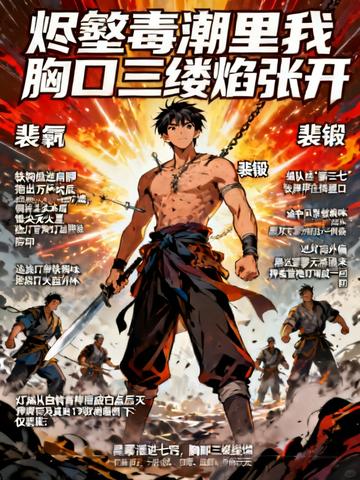
On the seventh day since the tide receded at Bone Washing Field No. 7, when he scraped down to the third section of shinbone, the mark over Shen Yan's heart heated up. It didn't hurt; it was hot. Zhou, the head of the Mark Guard Office, brought men to carry in a thin coffin. A fresh red seal marked the official tag: dredged from the seventh section of the tidal channel, male, approximately nineteen, mute furnace, Shen Yan. But Shen Yan was standing right there in the field.
They pried open the coffin. Inside lay a skeleton as white as if it had been washed in incense ash. No flesh, no clothes, no hair. On its fourth rib on the left was a contract mark about an inch long, curled into half a ring, its tail hooked upward. It was exactly the same as the mark that had just appeared over Shen Yan's heart.
People had marks carved onto their bones when they opened their furnace at ten, granting them a special ability. Only those registered in the official records were permitted to receive one. Having a mark carved without registration was a capital crime. Shen Yan had lived a perfectly ordinary nineteen years without a single mark.
The Mark Guard Office's law was clear: those who borrow marks will have their bones stripped. The bones of the dead or the bones of the living, stripping was stripping all the same.
Old Sha blocked his way and said the boy had been in the field all night and hadn't left. Zhou said obstructing the authorities was also a crime.
Shen Yan stepped out from behind Old Sha and placed both hands on the nameless skeleton's chest. "The law says that those examining bones must touch the bones. No one else may interfere."
Zhou asked, "You aren't registered."
Shen Yan said, "The law doesn't say you need to be registered to examine bones."
His fingers pressed between the ribs, and his palm closed. The bones were cold, but a trace of lingering warmth remained. Then the language of bones came to him.