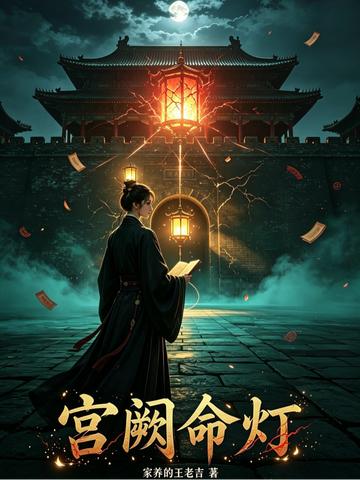
On the day she entered the palace, Shen Guanwei opened her eyes and saw numbers above everyone's heads.
When a number reached zero, its owner would die and be forgotten, their favor would collapse, and they would become yet another ghost in the palace's depths.
The dazzling Consort Li had only seven days of imperial favor left. The whole palace fawned over her, and officials vied to court her, while Shen Guanwei watched coldly from the sidelines.
The world fought tooth and nail for the emperor's favor. She alone did everything she could to avoid his attention, shun his favor, and refuse his gifts.
Because she had seen through the iron rule that had governed the palace for a thousand years:
An emperor's favor was never a blessing. It was a sacrificial talisman that heralded death.
The less you competed for favor, the more attention you drew.
The more you avoided favor, the more an obsessive emperor kept you on his mind.
Xiao Zhen ruled the Great Jing Empire, kept the six palaces in check, and had toyed with people's hearts for half his life. He had never met a woman like her.
The entire harem hoped for his affection, his glance, and a life of supreme splendor.
Only Shen Guanwei retreated, kept her distance, and would rather die than accept even the slightest favor from him.
The emperor's obsession became an addiction, and he pressed her at every turn. "Shen Guanwei, what is it you want?"
She lowered her eyes, her expression cool, her heart no more than a wasteland of silence.
I seek no emperor's favor, no honor above the six palaces, no life of splendor.
I seek only to escape fate's game of chess and be the only person in this palace to survive.
Only later did she learn that
for a thousand years, every concubine who enjoyed the emperor's favor had been a pawn sacrificed for the nation's fortune.
And the blank fate written above her head made her the only variable in a thousand years capable of breaking the game.
From then on, she wielded the lamp of fate, broke free of destiny, abolished old rules, and took control of the six palaces.
From then on, women's lives and deaths would be decided neither by the emperor's wishes nor by fate, but by themselves.