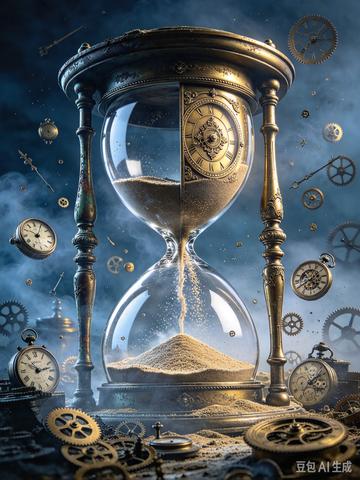
After two years of unemployment, 38-year-old Zhou Liping takes odd jobs dismantling machines at a secondhand goods market in Jiangcheng.
His mortgage costs 4,300 yuan a month, his daughter has tuition to pay, and his father has been left with shaking hands after a stroke, unable to hold a bowl steady. His wife's salary is all the family has to rely on.
Then one day, while repairing his daughter's old phone after she dropped it, he noticed something strange: anything in his hands could be turned back to the day it left the factory.
Read the numbers, rewind, restore.
Other people buy scrap by the pound. He buys it by the "year." He can restore junk to brand-new parts and return discarded machines to their best versions.
All he wants is to quietly make money and give his family back their dignity.
But he can work on objects, not people. He can't fix his father's hands, and he can't hide the look in his family's eyes.
Worse, if his ability is confirmed, he won't be seen as a craftsman, but as a "resource."
The government wants to protect him, big business wants to buy him, and foreign powers want to get their hands on his results by any means necessary.
He can fix anything in the world that's broken.
Except his own life. That can't be rewound.