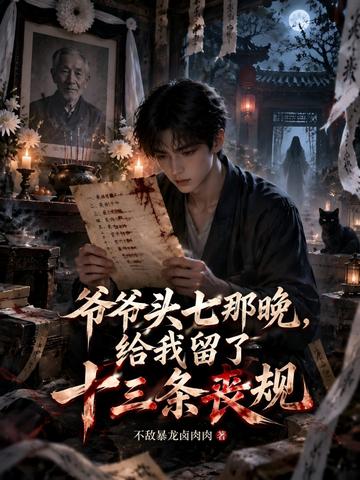
I studied modern funeral services for three years. The first funeral I handled after returning to my hometown in Chaoshan was my grandfather’s.
The night he died, there was a letter tucked beneath his pillow.
It contained no final words, only thirteen rules for his own funeral, every one of them written for me:
[Keep watch for three nights. If anyone outside calls me by my childhood nickname, don’t answer.]
[Don’t accept anything from a guest who casts no shadow.]
[When the coffin is knocked on for the fourth time, hold a coin in your mouth and hide beneath the altar table.]
[On the seventh day after his death, Grandfather will return. Check the footprints first. If they point outward, it isn’t him.]
[…]
At the end of the letter, he added: Break one rule, and lose a year of your life.
I didn’t believe a word of it.
Not until the first night of the wake, when the fourth knock came from inside the coffin.
Buying water, feeding the living, sealing the coffin, retrieving the bones.
Beneath each old custom lurked things the living could not see. Guests without shadows lined up at the door. And a great-uncle who had been missing for twenty years was due to return.
All I had was half a copy of my grandfather’s Guide to Funeral Rites.
The old customs could send the dead on their way, but they could also take the lives of the living.
The verses my grandfather had made me memorize for over a decade were no superstition.
They were rules paid for with lives in this line of work.