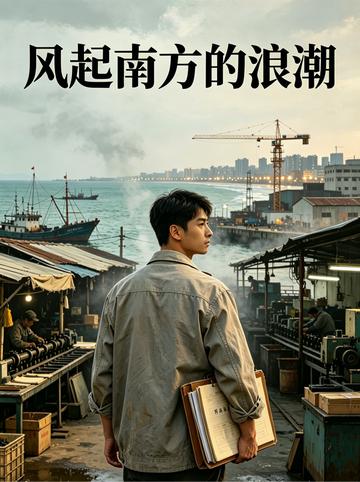
In 1980, 19-year-old Chen Bei failed the college entrance examination for the second time. He stuffed the three dollars and seventy-five cents he had saved for half a year into a canvas bag and left the village in the early morning of the rice-planting season. Before leaving, Zhao Chunfang ran barefoot to the back wall, stuffed five dollars into his palm, and said: Don't die outside. He responded: If you have enough money to build three tile-roofed houses, I will come back. He didn't know that it would be twenty-one years since he left. There are no tile-roofed houses in Shenzhen, only brickwork that costs one yuan and two a day, a canteen that requires food stamps, and a barbed wire fence surrounding the shelter. He picked up stuffed tank trucks and squeezed out through the gap under the net on a rainy night; his hands were covered with calluses and he picked up copper from the scrap pile. He was also blocked from the iron gate because he could not understand a word of Hong Kong. Later he learned one thing: people who can't read can only see shapes. With this hand, he recognized the misprinted brand among thirty identical wooden boxes. That was the first time he was seen. In the next twenty-one years, he went from a porter to a factory manager, from understanding labels to understanding orders, and from a tin house to his own sign. He has seen brothers take away the last dime in the cash box, he has seen women bowing their heads in silence in the corner of the celebration banquet, he has seen the tide rise, and he has seen people sink. And the woman who traced his name over and over on the stove ashes was still waiting three hundred miles away. In 2001, China joined the WTO. Forty-year-old Chen Bei stood on the roof of the new factory area, with the wind blowing from the south. The tide is back. But can the person he wants to return return?