This is a work that tells almost no "story".
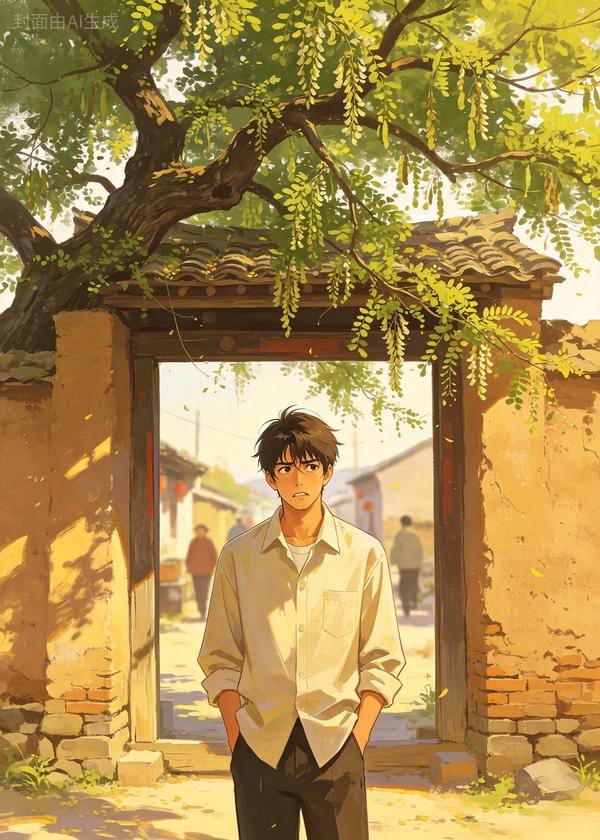
There is no strong conflict, no big twists, no bloodshed and sensationalism. The whole story is nothing more than the trivial daily life of a child squatting at the entrance of the village, sitting by the charcoal fire, holding half a piece of candy, being drizzled with rain, and eating roasted sweet potatoes. But these fragments pieced together something extremely heavy.
In the current environment where the short story market generally pursues "a hook in three seconds and a breaking point in a chapter", this book has chosen almost the opposite path. It is slow and light, and it repeatedly describes how a child eats, peels garlic, folds quilts, and flattens candy wrappers. It is not eager to push you away, but asks you to stop, squat next to the child, and wait with him.
Because of this, it has a quality that most similar works do not have: authenticity.
Recommended reading scene: night, quiet, alone. Have tissues ready, but you may not need them.



This is a work that tells almost no "story". There is no strong conflict, no big twists, no bloodshed and sensationalism. The whole story is nothing more than the trivial daily life of a child squatting at the entrance of the village, sitting by the charcoal fire, holding half a piece of candy, being drizzled with rain, and eating roasted sweet potatoes. But these fragments pieced together something extremely heavy. In the current environment where the short story market generally pursues "a hook in three seconds and a breaking point in a chapter", this book has chosen almost the opposite path. It is slow and light, and it repeatedly describes how a child eats, peels garlic, folds quilts, and flattens candy wrappers. It is not eager to push you away, but asks you to stop, squat next to the child, and wait with him. Because of this, it has a quality that most similar works do not have: authenticity. Recommended reading scene: night, quiet, alone. Have tissues ready, but you may not need them.