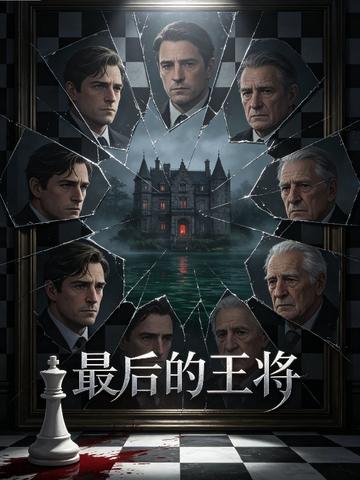
Retired detective Philip Hadley receives an anonymous letter that leads him to an isolated island manor locked in fog. Six guests, seven sets of cutlery, the host's seat is empty, and the wine glasses are filled. That night, someone died. The back of his head was crushed with iron pincers, and he held a white queen chess piece in his palm. Board number H-02.
Next, death occurs one by one according to the rules of the chess game. Everyone has a chess piece in their hand. Everyone has a number. Philip has it too. H-07. Seven people, seven chess pieces, an unfinished game of chess.
Philip begins to investigate. He examines corpses, analyzes surveillance, traces footprints, and reasoning techniques. His investigation was professional. His reasoning is precise. The chain of evidence is closing bit by bit. The murderer is approaching step by step.
The only problem is - all the details of his investigation are true, the evidence is true, the methods are true, and his reasoning is almost always correct. The only thing wrong was that he automatically excluded himself from the suspect list.
It's not that he is bad. He's not pretending. It is his brain that has already filtered out "self" when it is "seeing".
His detective mind, which he had trained for thirty years, was commandeered by his deepest self-protection mechanism. The more seriously he investigates, the more he clears up the traces of the real murderer—himself.