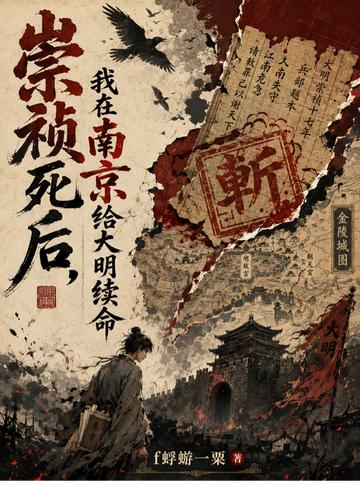
[Southern Ming + A Small Fry Changes the Nation's Fate + Smart Protagonist]
In the seventeenth year of the Chongzhen reign, the emperor died and the capital fell. Overnight, the lands of the Great Ming were left without a ruler.
Yet Chen An, a nineteen-year-old junior clerk in the Nanjing Ministry of Revenue, saw blood-red words on a relief-grain document that only he could see:
[If this document is rejected, 137 people will die within three days.]
There was grain in the storehouse, yet people outside the city were starving to death.
To save them, Chen An had to get thirty shi of rice out of military provisions, false accounts, and layers of official paperwork before nightfall. Where the grain was, who had approved the requisition, who was willing to open the gates, where to find carts, and whether the rice would actually end up in the refugees' pots: he had to track down every detail.
Others saw "issued," "approved," and "received," and considered the matter settled.
Chen An insisted on asking one more question: Had it really been done?
Starting with thirty shi of grain, he pursued accounts, people, grain, horses, and ships, while gradually moving his name forward from the overlooked column of clerks who handled the paperwork.
Until Nanjing enthroned a ruler, armies rose north of the Yangtze, and the cities of the north wavered.
What he handled was no longer a single document, but a northern route, a city, and even an army truly preparing to march north.
And as the court prepared to "borrow the barbarians to pacify the rebels," the ledger showed only two blood-red characters:
[Great Misfortune.]
If the Great Ming had been led to ruin by one faulty document after another, then he would start by changing the very first one.
He would make sure every decree truly reached the people, and, before the braided-hair armies marched south, win back the last chance of survival for a dynasty that had lost all but half its realm.