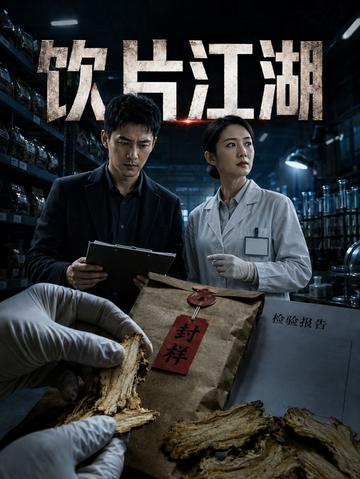
A batch of problematic Angelica sinensis that had been returned long ago was sent to the hospital again with a new packaging and a compliance report.
Du Heng, the quality manager, only broke open a piece and recognized the batch number that was supposed to die. The leader asked him to sign for it, and the pharmaceutical company urged him to shut up, but the test report was cleaner than the real medicine. As long as he leaves a signature, he can keep his job; but once this batch of medicine enters the pharmacy, no one knows whose medicine jar it will end up in.
Three years ago, Du Heng believed the report and caused his mentor to stigmatize a batch of fake astragalus. Three years later, he decided to trust the medicine he had tested with his own hands.
Starting from a cart of Angelica sinensis, he traced the secret chain of samples, reports and goods that were artificially separated. Some people use the lowest price to win the market, some people cover up risks with a piece of paper, and some people guard an old medicine scale, waiting for him to tell the truth that was three years late.
Reports lie, medicines don't.