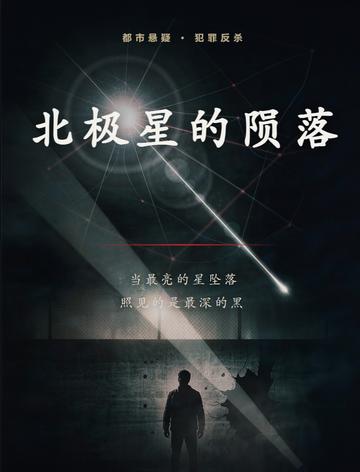
Fei Wu thought he was going to die in that prison cell.
At the end of last season, someone stabbed him in the back and threw him in jail. The iron door clanged shut behind him. The musty smell, the damp, the light bulb on the ceiling that never got fixed: he stared at it for a long time and thought, “That’s it.”
He wasn’t a good man, but he wasn’t bad enough to take a bullet for “Polaris.”
Polaris was a name more terrifying than the plague in the underworld. It traded in the worst things humanity had to offer: living prisoners held in scam compounds, drugs smuggled across borders, organs openly priced on the black market, and weapons trafficked out of war zones. It had spread like a web along the borders of more than a dozen countries, with roots sunk so deep that no one could do more than cut off a single tendril. It had held sway for twenty years, and no one had ever managed to tear it out by the roots.
Until one night, someone silently cut through the wall of his cell from the outside.
The people who came to save him weren’t heroes. They were a group who wouldn’t even show their faces. They called themselves “Falling Star,” a secret organization whose existence even the United Nations refused to acknowledge. Fei Wu was shoved into an unmarked car. In the rearview mirror, the prison searchlights grew smaller and smaller.
“We’ve been watching Polaris for a long time,” said the gloved figure. “You’re the missing piece.”
Fei Wu could have refused. But when he saw the photographs in Falling Star’s archives, children whose organs had been taken, young people driven to leap from buildings by online scams, families destroyed by a single drug deal, he closed his eyes and nodded.
But Polaris was watching them, too.