Is the Journey to the West that everyone knows truly the world’s reality?
Is it an elaborate deception, hiding the truth in plain sight?
A deluded farce that turns good and evil upside down?
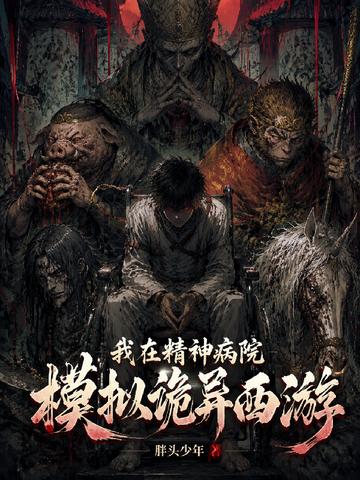
The once unruly Great Sage, Equal to Heaven, who wreaked havoc in the Celestial Palace, has long since shed his pride and edge.
All that remains in his eyes is lingering cowardice and an inferiority complex buried deep in his bones.
Zhu Bajie’s mind is warped, his worldly greed grotesquely twisted. He first marries a mortal woman, then devours flesh and blood, overturning human morality and extinguishing his nature.
Sha Wujing is no longer docile. Viciousness clings to him; he flies into violent rages, his fury all but tearing through his skin.
The White Dragon Horse silently endures endless agony as the flesh all over his body swells and festers.
Yet this spectacle of absurdity is only the shallowest surface of the great drama.
Slaughtering civilians, feasting on human flesh, burning ancient shrines and temples, trampling on every good impulse in the world.
Demons and monsters, meanwhile, guard the last remnants of human kindness and keep the people safe.
I have run simulations countless times, hoping to pierce the layers of fog surrounding the truth behind Journey to the West and unravel this strange game in which good and evil are reversed.
But with each successive simulation, a terrifying change suddenly occurred:
The cold world of the simulations was beginning to seep backward into the real world.
Virtual slaughter became real, and imaginary crimes were reflected in reality.
I couldn’t tell them apart anymore.
I truly couldn’t tell them apart.
What was a simulation?
What was reality?
Why would a simulated Journey to the West fantasy stain the real world’s rivers and mountains with blood and claim countless lives?
Where, at its source, was this earth-shaking deception that spanned reality and illusion and turned right and wrong upside down?