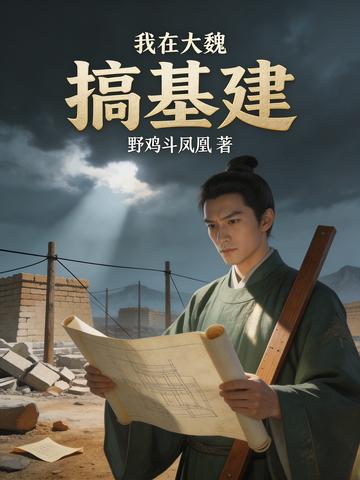
Dou Jiye, a graduate student in civil engineering, opened his eyes and transformed into a ninth-grade junior official in the Ministry of Industry of the Wei Dynasty - the kind who was pushed out by his superiors to take the blame and die.
The imperial edict hit home: the imperial mausoleum was destroyed by floods and had to be repaired within three months. If it can't be repaired well, be beheaded. If it's repaired well, the credit goes to others.
The entire Ministry of Works was waiting to see the joke.
Until he squatted in front of the ruins and grabbed a handful of rammed earth soaked in water: "The foundation is completely ruined and needs to be reprocessed."
Improve the cement formula, design cofferdam drainage, and rebuild the Shinto. Others rely on machinations and force to travel across time, but he relies on civil engineering.
Three months later, the imperial mausoleum was completed. The boss fell, the emperor was shocked, and everyone was dumbfounded.
But just when he was about to breathe a sigh of relief, a detail made his back shiver - in the flood that destroyed the imperial tomb, there were traces of man-made cuts in the upstream dam.
Infrastructure benefits the country, and knowledge changes life. In the Wei Dynasty, the water was far deeper than he imagined.