On the eve of the Yongjia Upheaval, at the turn of the Jin dynasties, Xiong Zhe was a poor family's son. In his previous life, he trusted his aristocratic cousin, who framed him for colluding with the enemy and had his whole family executed. As he lay dying, he watched the powerful noble families flee south in panic, while the Xiongnu cavalry trampled the lands north of the Yangtze. He died consumed by hatred. When he opens his eyes again, Xiong Zhe is reborn at seventeen, before any of the tragedies have taken place.
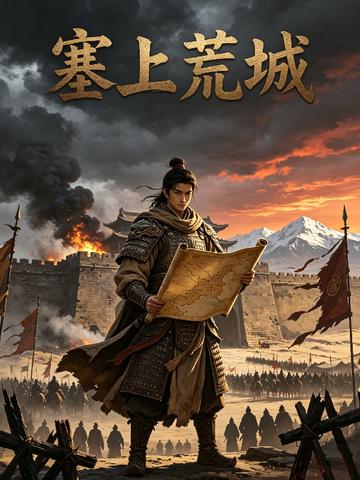
Armed with memories of his previous life, he gets his hands early on a damaged map of the northern frontier that had been lost among the common people. While the great noble families rush south to escape disaster, he heads against the tide toward the ruined Shuofang Commandery. He will use his foresight to take revenge on the three enemies who framed his family, then struggle to survive on the wasteland where Hu and Han peoples live side by side, rebuilding cities destroyed by war.
The northern cavalry's invasion draws ever closer, while the aristocrats sabotage him from behind. Drawing on what he knows of his previous life's methods for farming settlements and training soldiers, Xiong Zhe gradually unites the refugees and builds a power base of his own. Though scornfully called a “White Barbarian,” he ultimately earns the respect of both Hu and Han, who call him the Great Wall of the Frontier. On a borderland the aristocrats deem unworthy of recording, he accomplishes a pioneering feat he never dared dream of in his previous life.
The storyline is good