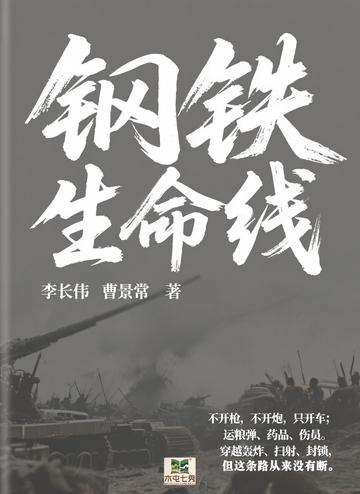
[Resist US Aggression and Aid Korea + Transport Troops + War + Pure Love + Emotion] No shooting, no artillery, just driving; transporting grain, ammunition, medicine, and the wounded. Through bombing, strafing, and blockade, this road has never been cut off.
This book is the first full-length military novel in China that reflects the combat life of logistics soldiers.
This book takes as the main line the battle story of the truck transport company of the Logistics Department of the Central Kyrgyzstan Military Region on the Korean battlefield during the War to Resist U. S. Aggression and Aid Korea. Through the unique perspective of truck transport troops, it is inserted into different battles and many aspects to tell the heroic story of the Chinese People's Volunteer Army truck transport troops fighting wits and courage with the enemy. They transported ammunition and food, and later sent the wounded, repaired roads and bridges, and defeated enemy aircraft bombings...
Lan Bin, the captain of the transportation company, and An Jing, the captain of the female transportation company, led the soldiers along the way. They overcame difficulties and were not afraid of sacrifice. They became a brave and fearless steel team in the war, and also forged a life-or-death love in the battle.
This book has a unique perspective and vivid characters. It reflects the bravery and fearlessness of the Chinese people's volunteers in protecting their homeland and country through small insights. They also continuously inspire fighting spirit in battle, summarize combat experience, and sublimate wisdom. Through a large number of touching details, it provides a vivid literary description of the extraordinary process of continuous tempering and growth of volunteer officers and soldiers in the flames of war.
Reader comments
It is most likely the first domestic novel to reflect the theme of motor transport troops during the period of resisting U. S. Aggression and aiding Korea!
Everyone knows that in the war to resist U. S. Aggression and aid Korea, we had no air or sea control. What kind of risk was it for you to drive a car on the road? But in the end, they all completed the task. What kind of courage and responsibility was this?
A 150,000-word military novel to resist U. S. Aggression and aid Korea, focusing on the rarely written about car transport soldiers. The soldiers did not shoot or fire artillery, but used wheels as weapons to rush to transport ammunition, medicine and the wounded under enemy bombing and artillery fire blockades, desperately holding on to this unbreakable rear steel channel.
The book describes the construction process of the steel transportation line in a documentary style, depicting a group of builders who were not afraid of hardships and dangers and made silent contributions. The steel channels connecting mountains and rivers are not only the lifeblood of economic development, but also a vivid portrayal of generations of people adhering to their original aspirations and working hard to serve the country.
The novel focuses on the transport troops on the battlefield to resist U. S. Aggression and aid Korea, avoiding frontal artillery fire exchanges and focusing on ordinary soldiers on the transportation line. They did not shoot or fire artillery, but they had to shuttle bombing and blockade, transport food, ammunition, medicine and the wounded, and use wheels to support an uninterrupted steel supply line. The work combines the brutal realism of the war environment with delicate emotional depictions, describing the passion and perseverance of ordinary soldiers, allowing readers to see the sacrifices of unknown groups behind the grand war. Some of the plot narratives are plain, but the strong feelings of family and country directly touch the hearts of the people.
"Steel Lifeline" describes the construction journey in the difficult years and depicts a group of ordinary builders facing difficulties. The book contains both cruel reality and burning faith. Through passionate stories, you can understand the perseverance of the ancestors and the feelings of family and country, which is awe-inspiring.
This book takes the grand era as the background and tells the passionate past behind the lifeline project. The characters are vivid and three-dimensional, and the plot is thick and shocking, showing the builders' indomitable will to defy hardships. Looking back on the prosperous years, one can feel the spiritual power of the ancestors' sacrifice and dedication.
"Steel Lifeline" reproduces the arduous construction years and writes about the struggle of infrastructure builders to overcome difficulties. Although the conditions were difficult, they could not stop their enthusiasm. Countless ordinary people stepped forward and built the lifeblood of the country with their sweat. The story is rich and true, allowing people to understand the heavy weight of the word dedication.
A 150,000-word war and military novel, focusing on the group of transport troops to resist U. S. Aggression and aid Korea. There is no bloody battle on the frontal battlefield, but the thrilling scenes on the rear front are described. Under disadvantageous conditions, wheels crush artillery blockades, support the supply lifeline of the front line, take into account war realism and character emotions, and complement the narrative of special groups in the theme of resisting U. S. Aggression and aiding Korea.
This book focuses on the construction of key projects and depicts a group of ordinary but great builders. They are not afraid of hardships and obstacles, sacrifice their small family for everyone, and use their will to open up the steel lifeline. The text is full of feelings about family and country, restoring the passionate era, and fully demonstrating the indomitable spiritual power of the ancestors.
The story not only describes the journey of the steel industry from a difficult start to vigorous development, but also faces the pains and choices in the transformation of the industry. Steel is cold, but people's hearts are hot. This lifeline not only supports the operation of the national economy, but also precipitates the industrial spirit of hard work and selfless dedication of generations of workers. The work reflects the grand history of the country's industrial development through the rise and fall of a line, allowing people to understand the perseverance of ordinary people behind the industrial power. It has great realistic weight and the sentiment of the times.
A work depicting the theme of motor transport troops!
The story takes place during the period of resisting U. S. Aggression and aiding Korea. The logistics work of our volunteer army started completely new. With truck transport as the main mode of transportation, we braved the artillery fire of the U. S. Military and worked hard to build a strong logistics supply line!
Give the camera to the transport troops behind the scenes of the war, and write a life supply line that will never be cut off amidst the hail of bullets.
It is most likely the first domestic novel to reflect the theme of motor transport troops during the period of resisting U. S. Aggression and aiding Korea! Everyone knows that in the war to resist U. S. Aggression and aid Korea, we had no air or sea control. What kind of risk was it for you to drive a car on the road? But in the end, they all completed the task. What kind of courage and responsibility was this?
A 150,000-word military novel to resist U. S. Aggression and aid Korea, focusing on the rarely written about car transport soldiers. The soldiers did not shoot or fire artillery, but used wheels as weapons to rush to transport ammunition, medicine and the wounded under enemy bombing and artillery fire blockades, desperately holding on to this unbreakable rear steel channel.
The book describes the construction process of the steel transportation line in a documentary style, depicting a group of builders who were not afraid of hardships and dangers and made silent contributions. The steel channels connecting mountains and rivers are not only the lifeblood of economic development, but also a vivid portrayal of generations of people adhering to their original aspirations and working hard to serve the country.
The novel focuses on the transport troops on the battlefield to resist U. S. Aggression and aid Korea, avoiding frontal artillery fire exchanges and focusing on ordinary soldiers on the transportation line. They did not shoot or fire artillery, but they had to shuttle bombing and blockade, transport food, ammunition, medicine and the wounded, and use wheels to support an uninterrupted steel supply line. The work combines the brutal realism of the war environment with delicate emotional depictions, describing the passion and perseverance of ordinary soldiers, allowing readers to see the sacrifices of unknown groups behind the grand war. Some of the plot narratives are plain, but the strong feelings of family and country directly touch the hearts of the people.
"Steel Lifeline" describes the construction journey in the difficult years and depicts a group of ordinary builders facing difficulties. The book contains both cruel reality and burning faith. Through passionate stories, you can understand the perseverance of the ancestors and the feelings of family and country, which is awe-inspiring.
This book takes the grand era as the background and tells the passionate past behind the lifeline project. The characters are vivid and three-dimensional, and the plot is thick and shocking, showing the builders' indomitable will to defy hardships. Looking back on the prosperous years, one can feel the spiritual power of the ancestors' sacrifice and dedication.
"Steel Lifeline" reproduces the arduous construction years and writes about the struggle of infrastructure builders to overcome difficulties. Although the conditions were difficult, they could not stop their enthusiasm. Countless ordinary people stepped forward and built the lifeblood of the country with their sweat. The story is rich and true, allowing people to understand the heavy weight of the word dedication.
A 150,000-word war and military novel, focusing on the group of transport troops to resist U. S. Aggression and aid Korea. There is no bloody battle on the frontal battlefield, but the thrilling scenes on the rear front are described. Under disadvantageous conditions, wheels crush artillery blockades, support the supply lifeline of the front line, take into account war realism and character emotions, and complement the narrative of special groups in the theme of resisting U. S. Aggression and aiding Korea.
This book focuses on the construction of key projects and depicts a group of ordinary but great builders. They are not afraid of hardships and obstacles, sacrifice their small family for everyone, and use their will to open up the steel lifeline. The text is full of feelings about family and country, restoring the passionate era, and fully demonstrating the indomitable spiritual power of the ancestors.
The story not only describes the journey of the steel industry from a difficult start to vigorous development, but also faces the pains and choices in the transformation of the industry. Steel is cold, but people's hearts are hot. This lifeline not only supports the operation of the national economy, but also precipitates the industrial spirit of hard work and selfless dedication of generations of workers. The work reflects the grand history of the country's industrial development through the rise and fall of a line, allowing people to understand the perseverance of ordinary people behind the industrial power. It has great realistic weight and the sentiment of the times.
A work depicting the theme of motor transport troops! The story takes place during the period of resisting U. S. Aggression and aiding Korea. The logistics work of our volunteer army started completely new. With truck transport as the main mode of transportation, we braved the artillery fire of the U. S. Military and worked hard to build a strong logistics supply line!
Give the camera to the transport troops behind the scenes of the war, and write a life supply line that will never be cut off amidst the hail of bullets.