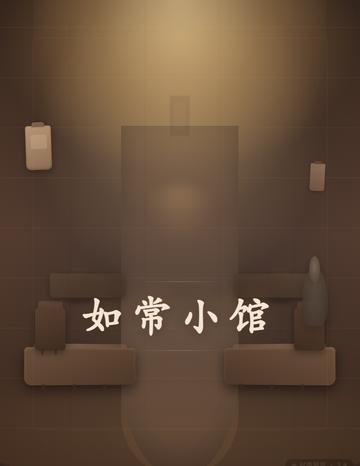
On the corner of the old town, there is a small restaurant open late.
The boss, Zhou Jiming, doesn't accept stories, only food money. But people who come here to eat always leave behind some unfinished business: an old friend who orders an extra meal every day, a set meal without green onions sent to the hospital, a meal that no one uses chopsticks for.
Lin Xiaoman remembered what the guest said, and Zhou Jiming was responsible for preparing the meal. They can temporarily store a cooler bag, deliver a lunch for someone, or clear a table, but they cannot forgive anyone, cannot reconcile for anyone, and cannot decide the future life for anyone.
When the updated measurement line of the neighborhood fell at the door, the small restaurant's own life also began to change. Customers come and go, leaving behind choices and aftermath, gradually revealing the unspoken lives of everyone in the store.
There is no one-size-fits-all meal here.
Only some people, before the heat dissipates, finally say what needs to be said, return what needs to be returned, and then live their lives as usual.
Reader comments
I really like the tone of this book. A late-night tavern witnesses the thoughts of all sentient beings and does not sell chicken soup for salvation. Hot rice can warm the body, but forgiveness and reconciliation can only be relied on by oneself. Fireworks in the Marketplace depicts the regrets and lives of ordinary people, which is real and poignant.


I really like the tone of this book. A late-night tavern witnesses the thoughts of all sentient beings and does not sell chicken soup for salvation. Hot rice can warm the body, but forgiveness and reconciliation can only be relied on by oneself. Fireworks in the Marketplace depicts the regrets and lives of ordinary people, which is real and poignant.