[Urban superpower + suspenseful imagination + unit case + group portrait + no system + single female protagonist + apocalypse]
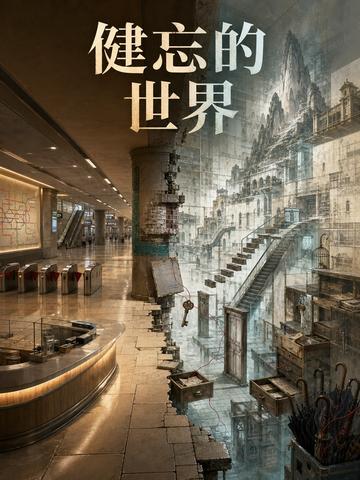
While working the night shift at the lost and found subway office, Lin received a key with the registration date written on it as "tomorrow."
In the surveillance, he was the one who delivered the keys; in reality, he never left his seat.
Late at night, the key owner's address disappears from maps, navigation and neighborhood memories.
At this rate, one more person will lose their way home before dawn.
The world is very forgetful.
It first forgets a key, then forgets a road, and finally forgets the people walking on the road.
A key, a parrot, a person, a relationship, a road, or even an entire city can be forgotten and lost.
There is no god who governs forgetfulness, and there is no system for answering questions. The only things people can rely on are naming, demarcation, abduction, common evidence, and each other, which are unreliable but irreplaceable.
Officials, retellers, ownerless people and the identity black market compete for the ownership of lost things; aunts carrying candy and guns, elegant and brutal art professors, people with different styles work together to protect reality.
The ability to resist forgetting is bound by evidence, will make mistakes, and requires a price. No one can bring back all the lost things alone.
Lin, however, could only leave an empty column when the answer was not yet clear, to prevent the world from filling in the wrong answer prematurely.
Even if you find the right person, it doesn't mean you can save him. To come back, he must still remember himself, and someone must be willing to get to know the real him again.
But while resisting and forgetting again and again, Lin found that his name was also disappearing.
And the earliest key leads to a file that does not exist.
Reader comments
Can you actually rate yourself? 🐮🍺
The setting is relatively abstract
Can you actually rate yourself? 🐮🍺 The setting is relatively abstract