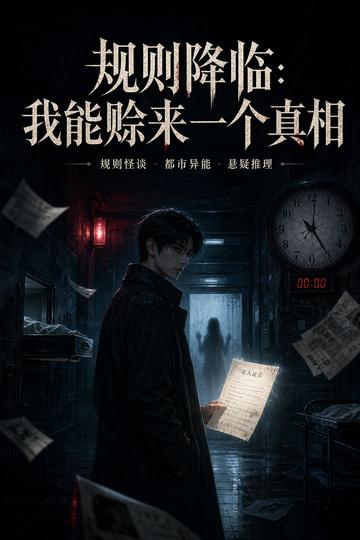
Reality begins to operate according to "statements that are believed" and "evidence that is retained." Gu Jie, a night shift worker at a funeral home, can temporarily turn a lie into a fact on credit, but he must provide evidence for it before the countdown ends, otherwise reality will collect debt from him. In order to find a sister who was forgotten by the whole world, he had to testify for "people who shouldn't exist" again and again.
Facts determine what the world is, lies preserve what the world can become.
This book does not discuss "the truth is always right and lies are always evil", but discusses:
1. If the memories of the majority conflict with the only piece of evidence, which one is true?
2. Do people who have been forgotten by everyone still exist?
3. Is it worth making more people bear the cost of tampering with reality to save one person?
4. Is a world that is absolutely real and devoid of imagination and possibility still suitable for human survival?