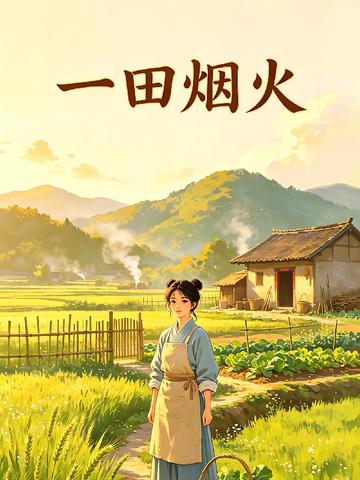
She transmigrates into a farmer’s third daughter. The first thing she does after waking from a fever is ask for land.
Her father is a man of few words, but he gives her two fen of fields. Her soft-hearted mother secretly adds a quilt to her bed that night. Her grandmother presses a handful of seeds, saved for decades, into her palm. “Grow them, and your grandfather will be watching from above.”
She squats at the edge of the field, armed with a hoe and her own two hands, and grows her plot from two fen to three mu of hillside.
The next year, she sends peanuts to the prefecture’s agricultural office. In the third year, the county appoints her as an instructor, and the family’s dinner table goes from one dish to three.
In a time of war and chaos, her village is the only place for a hundred li where the granaries are full and the cooking fires never go out.
Her father says, “Xing’er, you’re better than your old man.” Her mother secretly wipes her eyes behind the stove. Erping holds his bowl and says, “Our family’s produced an official!” She kicks him. “A farmer.”
Ignore the title; it needs to be changed later.