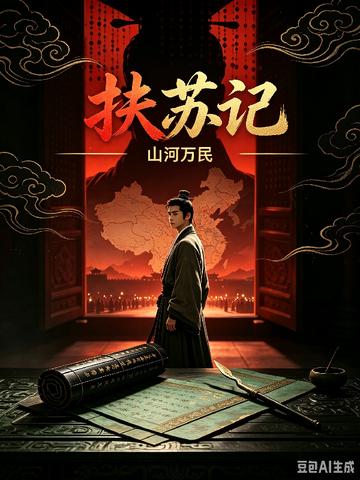
The Qin Dynasty wiped out the six kingdoms, unified the four seas, and the Huanghuang Dynasty stood tall on the mountains and rivers of China. The eldest son Fusu set out from Xianyang Palace and followed the First Emperor on his grand eastward tour.
He climbed Mount Tai, where the clouds and mist were billowing, witnessed the grand solemnity of the Zen Ceremony, and saw with his own eyes the aloofness of his father as an emperor; he walked on the thousand-mile road that was being built in full swing, and traveled all over the countryside and counties of Guandong.
In his heart, the emperor planned to build a foundation for eternity, build the Great Wall, and repair the Chi Road. He wanted to use grand projects to heal the hidden dangers left by the troubled times and protect the Qin Dynasty from generation to generation. But when Fusu walked out of the palace wall and faded away from the aura of rituals and music above the temple, what he saw was a different world: desolate fields, people tired of hard labor, and the unbreakable estrangement in the hearts of the survivors of the Six Kingdoms.
On one side is the unparalleled achievement of unifying the world, on the other is the suffering that the people at the bottom are enduring. The prince has a benevolent heart, expects light corvees and small gifts, and is considerate of all people; the emperor looks at the overall situation and is willing to sacrifice the present in order to gain long-term stability in future generations.
The family affection between father and son is still there, but the idea of governing the country has gradually drifted away. Young Fusu stands between the majestic mountains and rivers of Daqin, caught between the imperial ambitions and the suffering of the people, struggling to find his way between ideal and reality. His choice has just begun.