(He looked at it for a long time before putting the phone back on the table.
"This edict is false," he said.
Zhou Ye didn't answer. The text on the screen already stated that it was a forged edict by Zhao Gao and Li Si.
"Meng Tian will definitely persuade him to review."
Zhou Ye whispered: "I persuaded you."
Ying Zheng's hand stopped on the edge of the table.
"Fusu didn't listen?"
"He said, The father gave the son death, and Shang An asked him again."
The rain has been falling for a long time outside.
Ying Zheng only said one sentence in the end: "I taught him.")
Forty-nine days later, the north gate was opened.
In 210 BC, during his last tour, Ying Zheng followed Xu Fu into a mountain palace that was not found in history books. He had thought it was just a forty-nine-day slumber.
When I opened my eyes again, there was no one outside the north gate. The lamp oil was dry, the clothes were rotten, and the roots of plants and trees had penetrated the stone wall.
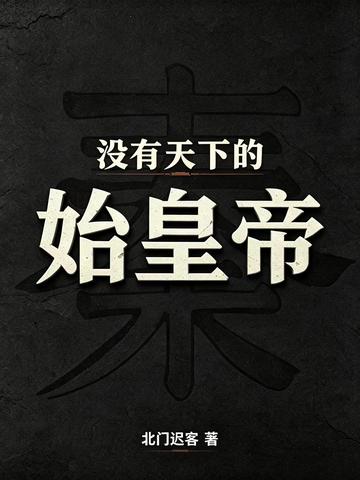
More than two thousand years later, in the mountains of Guizhou, thirteen-year-old Zhou Ye met a strange man who could not understand Mandarin and had no household registration, but insisted that his name was Zhao Zheng.
From learning the language of modern people, to walking through the mountains and rivers again as an ordinary person; from the emperor and tyrant in the history books, to seeing with his own eyes the achievements left by the unification, the suffering caused by corvee, and the end of the Qin Dynasty in fifteen years.
He once made the world obey the will of one man.
Now, he must learn to live in a world shared by all.
This is not a story about an emperor regaining the world, but a story about how a person who lost the world recognized, accepted, and finally entered the world.