In the last years of Dayin, the northern border was defeated, military pay was cut off, and famine spread.
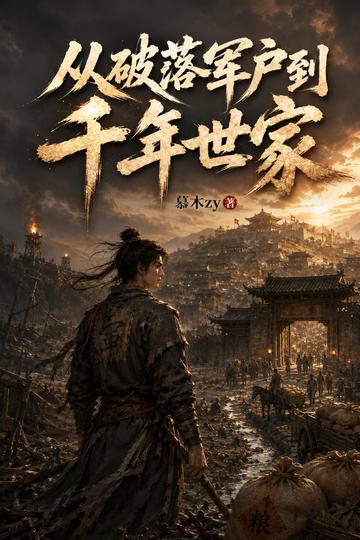
The Lu family of Baishiwu was once a military household guarding the border. Now there are only forty-seven people left, a leaky ancestral temple, a few acres of thin farmland, and the Han family's life-threatening grain debt of thirty kilograms.
Before the bones of the old clan leader were cold, the clan members were forced to sell their land, sell their daughters, and dismantle the clan to pay off debts.
Eighteen-year-old Lu Chenzhou took over the family head's wooden seal and said only one sentence:
"The food can be returned, but people cannot sell it."
There is no immortal destiny, no system, and no peerless martial arts that can defeat thousands of armies.
All he could rely on were an old account, an abandoned military canal, and a group of tribesmen who were too hungry to stand but refused to disperse.
Build canals, establish household rules, distribute public grain, collect farmers, build rural warehouses, and raise rural warriors.
From a dilapidated military household of forty-seven people to a local family that protects the people of a township; from a Baishiwu that could be annexed at any time to a name that no wealthy family, county government, caravan, or border army can ignore.
But the stronger the family, the heavier the responsibility.
The hungry people want food, the county government wants taxes, the wealthy families want land, and the soldiers want a way to survive. The tribesmen will also ask:
Is the Lu family building a career for EMI, or is he risking everyone's life to fulfill the ambition of a family head?
This is the story of a family rising from the mud.
There is no innate noble blood, only food, fields, names, rules and mistakes made from generation to generation.
The thousand-year-old family has never been given by the ancestors.
It was earned inch by inch by living people.
Come on, author! Well written. Keep at it!
It's well written, but it's just not fun.