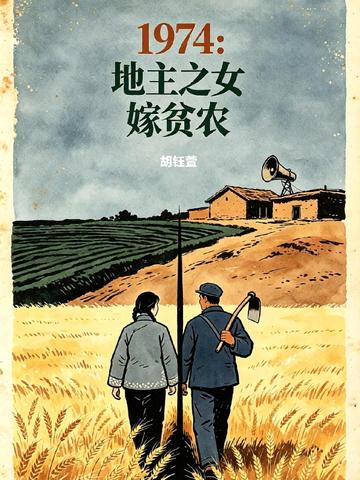
In 1974, when the Awakening of Insects struck, 18-year-old Lin Suwen knelt in the ancestral hall, listening to the banging on the door. Coming from a landlord's family, her only way to survive was to marry a poor peasant immediately. Three days later, she married into the Zhao family, the poorest family in Liushutun, on a cart - the earthen walls were skewed, the roof leaked light, and the first bowl of rice served to her by her husband's family was a stick of batter that was so thin that a person could be seen.
This is a story about "taking root after falling". Su Wen changed from the hand holding the pen to the hand holding the hoe, from the "landowner's daughter" who was shunned by the whole village to the person who the children gathered around the podium and called "Teacher Lin". She planted peanuts in the barren soil, cooked porridge on the cold stove, and stood straight on the stage of the criticism meeting. She gave birth to a son named "Lidong" - he stood up in the coldest season and never fell down again.
Six years, six awakenings of insects. From 1974 to 1980, the times were changing, and so was the soil under Suwen's feet. With her calloused hands, she snatched back her things bit by bit from the palm of fate: a formal teacher's salary, a pair of emerald earrings symbolizing where she came from, a home she could return to, and a group of people who would call her name behind her.
This is the story of a woman who bloomed in the soil. Don't sensationalize, don't complain, just live every inch of time in a down-to-earth manner. If suffering is the plowed land, then the peanuts she planted, the children she raised, the students she taught, and the earrings she redeemed are the entire harvest from this land.
Opening this book, you will hear the spring thunder of 1974 and see the spring breeze of 1980.