Zhou Wendao, a Ph. D. From the Department of History at Peking University, specializes in national transformation in the late Qing Dynasty and early Republic of China. He also served in the army.
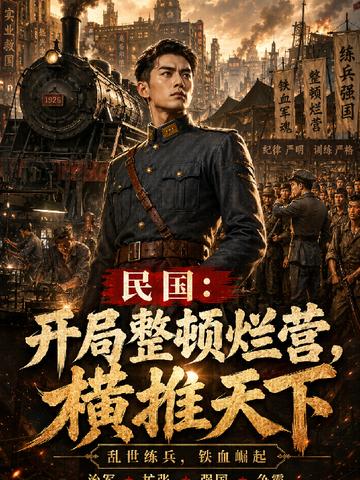
After an accident, he woke up in Jianghan in 1913 and became Gu Huaichuan, a young instructor in the Hubei New Army system.
At this time, the mountains and rivers were shattered, great powers surrounded them, and warlords emerged. Some people are busy fighting for power, some are busy ceding land, and some are still living and dreaming about the bad debts of the old era. Only Gu Huaichuan knew that the opportunity to truly change the world was hidden in a transfer order sent to Hankou.
When he was ordered to rectify Jianghan's security operations, everyone thought he was going to take the blame and die.
But Gu Huaichuan just started from a bad camp that was in arrears with pay, lacked equipment, and had piles of bad debts. He inspected ordnance, renovated docks, maintained railways, established chambers of commerce, set up machine factories, trained the Jianghan New Army, established the world party, and established the world's finances.
While others fought for territory, he trained and strengthened his army.
While others robbed money and food, he reestablished order.
While others are still fighting in the warlord melee, he has already set his sights on industry, railways, maritime power and the world structure.
From Hankou Wharf to Hanyang Machinery Factory, from Jianghan New Army to taking charge of Shanhe.
In this life, he will not be a bystander to history.
He wants to reunite the broken mountains and rivers and make China the real chess player on the chessboard of the great powers.
Reader comments
It's too long-winded, and I'm still traveling through time.
It's too long-winded, and I'm still traveling through time.