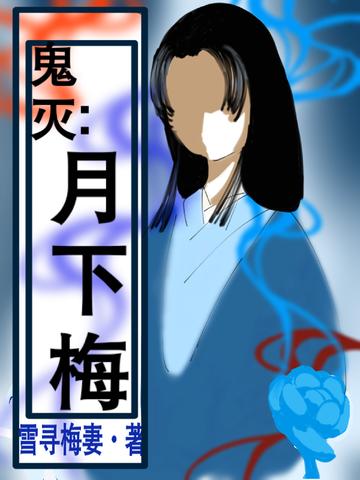
Wherever flowers, tea, and utensils are placed, that place becomes a tea room, where one can savor its wabi-sabi.
The butterfly who loves tea, carrying the powder shaken from her wings, alights on the red plum branch transplanted to Moonlight City to welcome her, just as winter plums bloom.
From then on, like a lotus offering before the Buddha, she will watch the springs and winters of this troubled age pass by.
A blade with a name, a blade without one: whose thoughts do they belong to?
Red maples and cherry blossoms are elegant too, but in the end, they cannot compare with the plum of the samurai house.
May prayer slips hang from every bamboo branch, and red streamers dance on the night of the festival.
Life is but fifty years in a fleeting moment; all worldly splendor is a dream that lasts only one night.
Set during the Sengoku period.
Chouhime/Achou x Tsugikuni Michikatsu/Tsugikuni Michikatsu/Michikatsu Tsugikuni
Chouhime/Achou x Muzan Kibutsuji/Muzan Kibutsuji
Shi/Ashi/Shi x Yoriichi Tsugikuni/Yoriichi Tsugikuni
As always, I refer to the characters in the story according to my own habits. There are original characters and plotlines, and the story is told mainly from the heroine's perspective, so please forgive me for not going into detail about material that is already familiar to everyone.
To better fit each character, I have used some traditional characters for added emphasis.
Since the characters speak according to the habits of people in ancient times, the main text may sometimes sound rather literary. This is to distinguish the lifestyles of the nobility and the samurai.
The cultures of the two countries also differ, and my habitual way of thinking means I first interpret the words used through the lens of my own country's culture.
Since religious beliefs were also important during the Sengoku period, the story touches on religious traditions. I draw first on the culture of my own country, which I encountered earlier, and use it to add details to the characters' daily lives and shape their personalities.