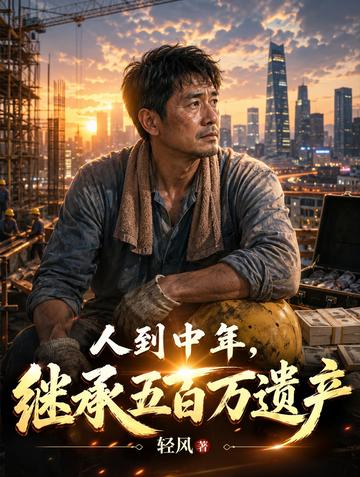
I’m 35 years old and have spent fifteen years working construction. My back is ruined, and the contractor has withheld my wages for six months.
My mother is in the hospital, demanding payment. My younger sister, who looks after her gambling-addict husband, avoids me too, and my wife has taken our daughter back to her parents’ home.
People in the village take detours to avoid me, afraid I’ll ask them for money.
On the hardest night, I crouched outside the payment window at the town hospital. I had just 27.6 yuan in my pocket, and my phone was full of debt-collection messages.
In the end, I decided to sell my ancestral home.
But just as the real estate agent arrived at the village entrance, a lawyer in a sharp suit came to my house first.
The lawyer told me, “Mr. Shen, Mr. Gu Changshan, whose life you saved ten years ago, has passed away. He left you three apartments in the provincial capital, a tea-farming cooperative, and five million in cash. He named you as his heir.”
I didn’t laugh or cry.
I simply asked the lawyer quietly, “Could we keep this between us for now?”
I knew that sudden wealth wasn’t the beginning of a comeback. It was the beginning of a test of human nature.
But the news still got out.
The first person to come to me wasn’t an enemy.
It was my own younger sister, Shen Xiaoman.
She cried as she said, “Brother, you can’t blame me for not helping when I had no money. Now that you’ve got money, you have to help me!”