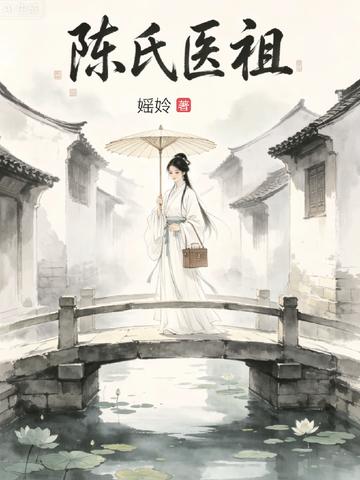
The heroine, Chen Yaozhu, brings a System with her as she transmigrates into an ancient fictional world. She is the ninth generation and the only heir of her family’s medical clinic. Although she’s a girl, her family places great hopes on her, naming her Chen Yaozu, meaning “glorify the ancestors.”
The heroine’s System mission is to become a renowned physician in ancient times and establish her own school of medicine.
The heroine says: “That’s it? Let me start by sharing a few things you should know.”
In ancient Europe, people used moldy bread to treat wounds. They didn’t know penicillin was responsible; they only knew that “this method works.” That’s called empirical medicine. She’s going to turn it into evidence-based medicine.
The world’s first appendectomy took place in 1735. Before then, anyone who got appendicitis was as good as dead. The heroine doesn’t have an operating room, but she knows a pus-filled appendix must be opened and drained. After that, it’s a matter of having the nerve.
Cowpox can prevent smallpox. A country doctor figured this out after noticing that milkmaids didn’t get smallpox. Rouzhi plans to introduce vaccination in ancient times. First, she has to persuade the villagers to let a cow give them a jab.
Vitamin C deficiency causes scurvy. Doctor Lind proved this in clinical trials back in 1753. Rouzhi immediately hands a basket of lemons to sailors about to set off on a long voyage, only for the captain to think she’s demanding protection money.
The heroine: “Everyone, I’m not treating illnesses. I’m teaching this era the basics.”
Her fellow physicians in ancient times: “This woman’s prescriptions are all heretical nonsense!”
The heroine: “What you call heretical nonsense is knowledge bought with millions of lives over centuries. Out of my way. I’m about to use my cheat powers.”
A lighthearted comedy with lots of medicine.