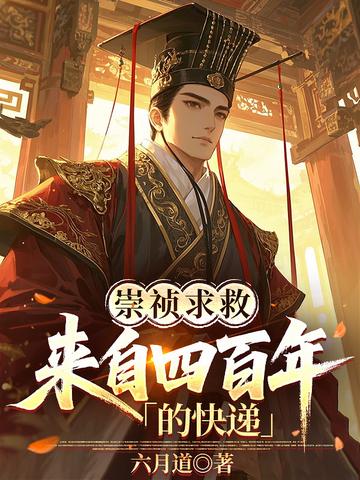
On the nineteenth day of the third month in the seventeenth year of the Chongzhen era, Li Zicheng breaks through the capital.
The Ming emperor, Zhu Youjian, stands beneath a crooked tree on Coal Hill. He unties the jade belt at his waist, ready to end this absurd life.
As he draws his sword, he knocks loose a stone slab beneath the tree.
There’s a well underneath. Through it, he can see the world four hundred years in the future.
On the other side of the well lives an old soldier surnamed Zhu, a descendant of the Zhu family. Across four centuries, the old man says four words to his own ancestor:
“Don’t die just yet.”
And so cold medicine comes up through the well, followed by fine salt, iodine, gauze, lighters, high-yield sweet potato seeds, plans for a flintlock rifle...
One by one, they arrive in the seventeenth year of the Chongzhen era from a place called “the future.”
Li Zicheng lays siege to the capital? Antibiotics save soldiers and civilians infected by disease. The Eight Banners cavalry rides south? Three-rank volleys from flintlock rifles teach them a lesson.
Refugees roam the land and corpses line the roads? Sweet potatoes yield two thousand jin per mu, saving countless lives.
This is the story of a well, and of an emperor who goes from “the ruler who lost his kingdom” to “the emperor who founded a new age.”
It is also the story of an ordinary family four hundred years in the future, giving everything they have to uphold a dynasty across the ages.
I am not alone in defending this realm.