In the winter of the forty-fifth year of the Jiajing reign, heavy snow blankets Jiangnan.
A fallen imperial clansman wakes in a dilapidated house with only two things left to him: a copy of the Collected Statutes of the Great Ming and the frail, ailing body of a dynasty. He has no golden finger and no System. His only weapon is the historical perspective of someone from four hundred years in the future: he knows where things went wrong and what can still be changed.
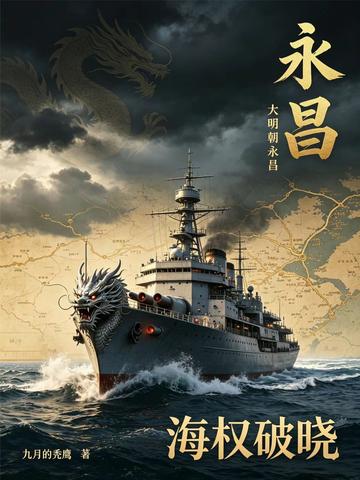
From shuttle looms to negotiable bills, from ironclad warships to global maritime power, he uses ledgers to pry open commerce and industry, technology to weld shipyards together, and steel to redefine the Ming's place on the world map.
This is not a System novel. It is an “alternate-history fantasy”: using a map from five hundred years ago to chart a sea route that was never locked down by maritime bans. It is not one man's rise, but a civilization being set back on course at a crossroads in history.
The story spans porcelain and iron, sails and cannons, nautical charts and paper money, night schools and charters. The Industrial Revolution begins in Suzhou and burns all the way to the Cape of Good Hope.
The protagonist did not transmigrate to become emperor. He came to redraw the map for a country that took a wrong turn, giving it a road to a future four hundred years away that leaves no cause for regret.
From the start, he owes twelve taels in taxes. In the end, he commands maritime power across ten thousand miles. Between them lies a historical rift, welded shut at last.
From another perspective, it uses art to illustrate the development direction in which China can continue to compete for basketball hegemony instead of suffering a century of humiliation.