In the winter of the forty-fifth year of Jiajing, there was heavy snow in the south of the Yangtze River.
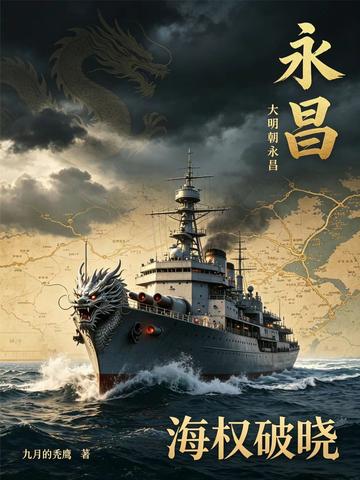
A down-and-out clan member woke up in a dilapidated house with only two things left in his hand: a copy of "The Great Ming Dynasty" and a dynasty body riddled with all kinds of diseases. There is no golden finger or system. His only weapon is the historical perspective four hundred years later - knowing where he went wrong and where he can change.
From shuttle looms to bill credit, from iron-framed battleships to global maritime power, he used ledgers to pry open industry and commerce, used technology to weld shipyards, and used steel to redefine Ming's position on the world map.
This is not a systematic article, this is a "historical fantasy article": using a nautical chart from five hundred years ago to build a waterway that is not blocked by sea restrictions. It is not a counterattack by one person, but a civilization being re-corrected at a fork in the road of history.
The book covers porcelain and iron, sails and cannons, charts and banknotes, night schools and charters. The industrial revolution started in Suzhou and burned all the way to the Cape of Good Hope.
The protagonist did not travel through time to become an emperor. He is here to redraw a map for a country that has gone in the wrong direction, leading to a country that will not have to sigh four hundred years from now.
At the beginning, there was a tax debt of twelve taels. The ending is Wanli Haiquan. There is a whole crack of history that has been welded together.
Reader comments
From another perspective, it uses art to illustrate the development direction in which China can continue to compete for basketball hegemony instead of suffering a century of humiliation.
From another perspective, it uses art to illustrate the development direction in which China can continue to compete for basketball hegemony instead of suffering a century of humiliation.