In the first year of Tongzhi, Weinan, Shaanxi.
The Shen family is a family of medicine merchants respected by both Hui and Han people in the town. When the Qing government issued a group practice order, local officials took the opportunity to instigate returning to the Han Dynasty, and a bloody conflict was about to break out. Shen Jingting tried to mediate the dispute with the ambition of a Confucian scholar, but was falsely accused of "passing back" and the medicine hall was burned down. His wife Ma Shuzhen, the daughter of a Hui medical family in Hezhou, carried a copper medicine box, took her three children and a dying old servant, and embarked on the road to escape westward.
It was an exile of twenty-two years. From the shores of the Wei River to the Longdong Plateau, from the meat grinder of Jinjibao to the desolate land of Huapingchuan, the Shen family was crushed by war again and again, and reunited again and again on the ruins. The eldest son Huairen married an orphan girl of the Hui people during the siege and became the backbone of the family; the second son Huaiyi was coerced by hatred and joined the regiment training, and completed the difficult self-redemption in the blood; the adopted son Bai Keli - a Han orphan who was proficient in Hui and Chinese bilinguals - survived the massacre after the surrender in Jinjibao, and finally went further to the Western Regions, spending his life answering the question of "where should the people caught in the cracks go?"
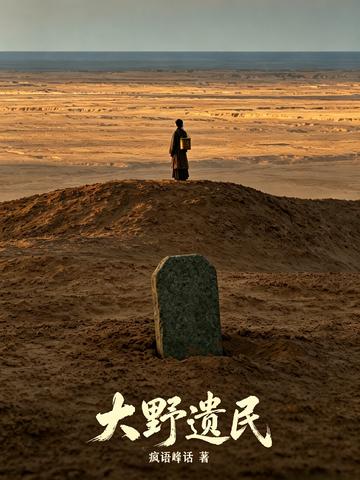
"The Survivors of the Daye" uses the rise and fall of a medicine hall to illuminate the dusk of a dynasty; it uses the life and death of a family to ask "how people become human through division." One million words describe all the blood and bones buried on the Loess Plateau, as well as all the ordinary people who grit their teeth and survive in troubled times.
"The medicine is not divided into the Han Dynasty, and no words are left on the tablets. The living people remember everything that should be remembered."