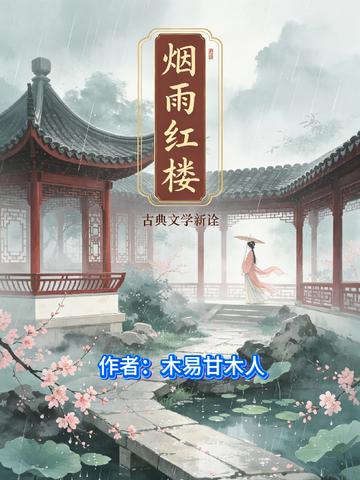
In the spring of the sixth year of the Republic of China, in the dusk outside Suzhou, a girl named Shen Qingci knelt in front of her mother's bed and took over the blood-stained suicide note. She was only eighteen years old at the time. She was holding a jade pendant with the word "Shen" engraved on it in her hand, and there was frost in her eyes. She didn't know what was waiting for her ahead - a deep house, a pond of lotus flowers, a surname she had never seen before but had hated for eighteen years, and a copper lamp that she could not bear to leave behind after traveling half the city.
This book is a story about "walking". Walk out of a door, walk into a mountain, walk a certain distance, and become yourself. The day Qingci walked out of the side door of Shen's house, she didn't bring anything with her, but she straightened her back - that was the only dowry left to her by her mother.
Later, she planted tea on a barren mountain. When the first batch of tea buds emerged from the soil, she squatted by the tea ridge and watched for a long time. She said to herself: Just take root and it will be fine.
This is also a book about roots. About how a person learns to dig down again from the pain of being pulled up. About how a person can find a piece of land for himself to stand upright in the wind and rain all over the world.
A long time has passed since the story in the book. That house has been demolished long ago, but the tea mountain is still there. Every spring, new buds still sprout from the old roots, and the clear wind blows from the canal, carrying a bit of the ending of Kun Opera sung in the old years.
When you open the book, the girl in the moon-white cheongsam is sitting on the second floor of Tingyuxuan. Outside the window is the autumn of the sixth year of the Republic of China. She is holding a jade pendant in her hand, waiting for someone to pass by downstairs.
This story starts from there.